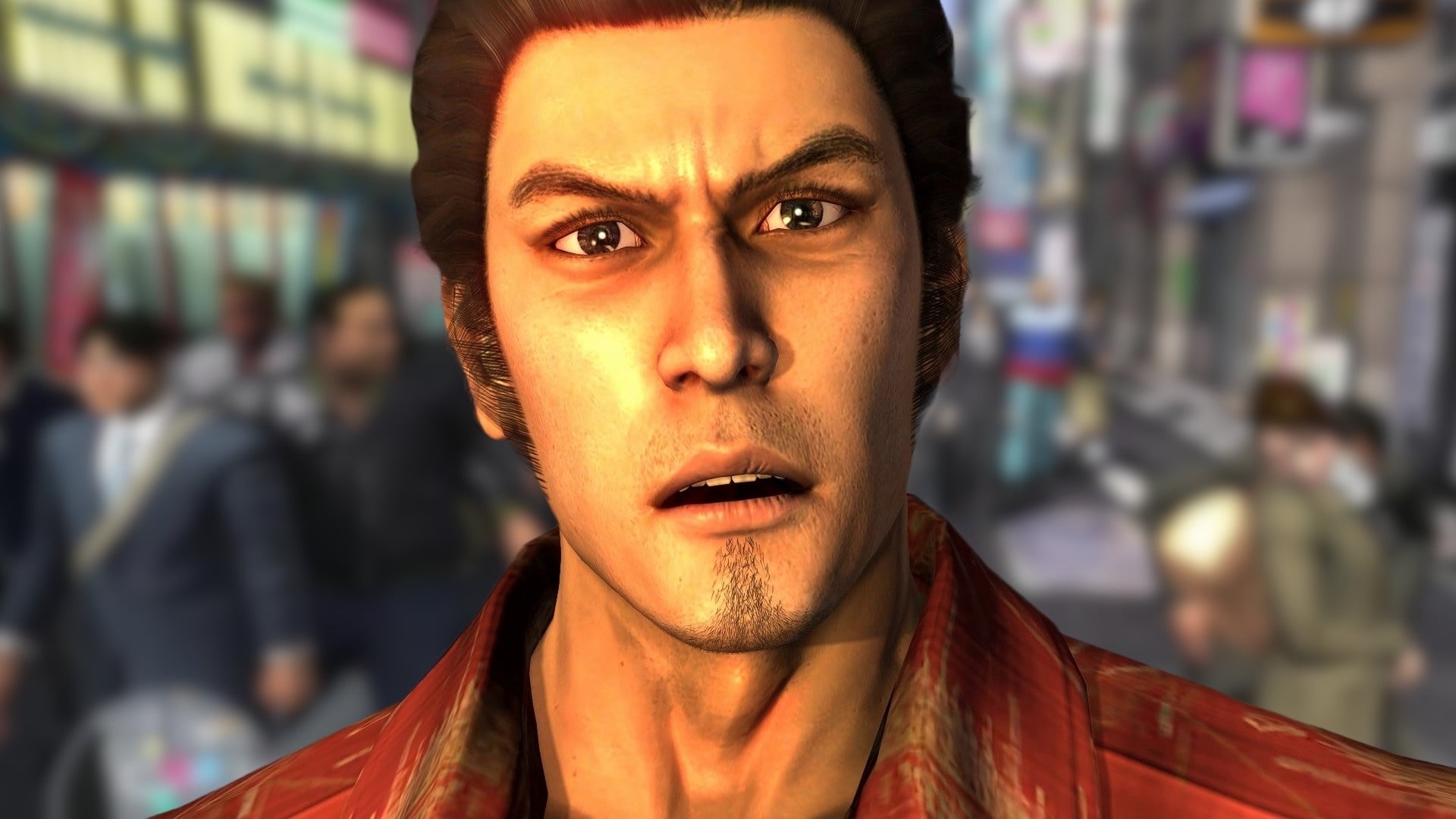
The Yakuza 3 Conundrum: Delisting, Bundles, and the Precarious Future of Digital Game Ownership
In an age where digital storefronts dominate and physical media becomes increasingly niche, the concept of "ownership" in video games has grown increasingly complex. Publishers routinely delist titles, rendering them inaccessible to new buyers, and often, even to existing owners under certain conditions. The latest flashpoint in this ongoing debate comes from RGG Studio, developers of the beloved Yakuza series, with their controversial decision regarding Yakuza 3 Remastered.
The announcement that Yakuza 3 Remastered will be delisted from the Xbox store upon the launch of the new Yakuza Kiwami 3 & Dark Ties remake on February 12, 2026, has sent ripples through the gaming community. While the idea of a comprehensive remake like "Kiwami 3" is exciting, the caveat that the *remastered* version will only be available as part of an exorbitant $130 bundle has ignited widespread concern and criticism. This move raises profound questions about game preservation, consumer choice, and the evolving relationship between players and publishers.
A Series Forged in Steel: The Yakuza Legacy
The Yakuza series, known for its intricate storylines, compelling characters, and engaging beat-'em-up combat, has cultivated a fiercely loyal fanbase worldwide. RGG Studio has masterfully leveraged the "Kiwami" moniker to introduce new generations to earlier titles, offering ground-up remakes that enhance graphics, update gameplay mechanics, and sometimes add new story content. Titles like Yakuza Kiwami and Yakuza Kiwami 2 were lauded for breathing new life into the PS2 originals, making them accessible and enjoyable for modern audiences. The expectation for a "Kiwami 3" has been high, promising a similar treatment for the third mainline installment.
However, unlike previous Kiwami releases which often coexisted with their original (or remastered) counterparts for a period, or replaced them without making the older version exclusive to a premium bundle, the Yakuza 3 situation is different. The existing Yakuza 3 Remastered, itself a modern port of the PS3 original, will not simply be superseded; it will be actively removed from individual purchase options, effectively creating a scarcity for an already existing product.
The $130 Gauntlet: A Price Tag for Preservation?
The core of the controversy lies in the announcement that after delisting, the only way to acquire Yakuza 3 Remastered will be through a bundled purchase. While the full details of this bundle are yet to be revealed beyond its hefty price tag, the implication is clear: players who wish to own or experience the specific Remastered version, perhaps for historical completeness or preference over the remake's changes, will be forced to pay a premium. This isn't just about paying more for a new game; it's about paying significantly more to access an older, already-released version that was once available independently.
Critics argue this move is a cynical attempt to inflate the perceived value of the Yakuza Kiwami 3 & Dark Ties bundle. By locking the Remastered version behind such a high paywall, RGG Studio essentially leverages nostalgic appeal and collector tendencies. It creates an artificial scarcity for a digital product, a tactic that feels less like thoughtful game preservation and more like strategic market manipulation.
Broader Implications for Digital Ownership and Game Preservation
This incident with Yakuza 3 is not an isolated event but rather a symptom of a larger, unsettling trend in the digital gaming landscape. Developers and publishers hold increasing power over access to digital content, often making decisions that prioritize new sales over the long-term accessibility and preservation of older titles. When games are delisted, they disappear from storefronts, making them unavailable to new players and often complicating re-downloads for existing owners, depending on platform policies.
The Delisting Epidemic:
From licensed music games like Guitar Hero to older sports titles and even full-fledged RPGs, delistings are common. Reasons vary: expiring licenses, technical obsolescence, or, as in this case, strategic decisions to push new products. However, the Yakuza 3 scenario adds a twist by immediately re-packaging the delisted version in an expensive, new bundle, highlighting a different kind of challenge for game preservation – not just disappearance, but controlled, premium-priced re-emergence.
Consumer Rights in the Digital Age:
The incident reignites debates about consumer rights regarding digital purchases. Do players truly "own" a digital game, or are they merely licensing access to it at the publisher's discretion? When a game becomes unavailable unless bundled with a much more expensive product, it fundamentally alters the value proposition and restricts consumer choice. It sets a dangerous precedent where older versions of games can be held hostage to promote new, higher-priced releases.
The Paradox of Remakes and Remasters:
While remakes and remasters are generally welcome for updating classics, this situation highlights a potential dark side. If publishers begin to use new releases as leverage to control access to existing, older versions, it could erode trust and diminish the goodwill generated by such projects. It forces players into a dilemma: embrace the new, or pay an exorbitant price to maintain a connection to the old.
Looking Ahead: A Call for Transparency and Player-Centric Decisions
The Yakuza 3 Remastered controversy serves as a critical reminder of the fragility of digital game availability. As we march towards an increasingly digital future, questions of game preservation and consumer rights must be front and center. Publishers like RGG Studio have a responsibility not only to innovate but also to respect the digital libraries and preferences of their loyal fanbase.
While the allure of new content is strong, forcing consumers into expensive bundles for an older product feels antithetical to the spirit of accessibility that many remasters aim to achieve. The gaming community's reaction highlights a growing demand for transparency, clearer policies on digital ownership, and a more player-centric approach to managing beloved franchises across generations. The future of gaming depends not just on new releases, but on the respectful custodianship of its rich and evolving history.