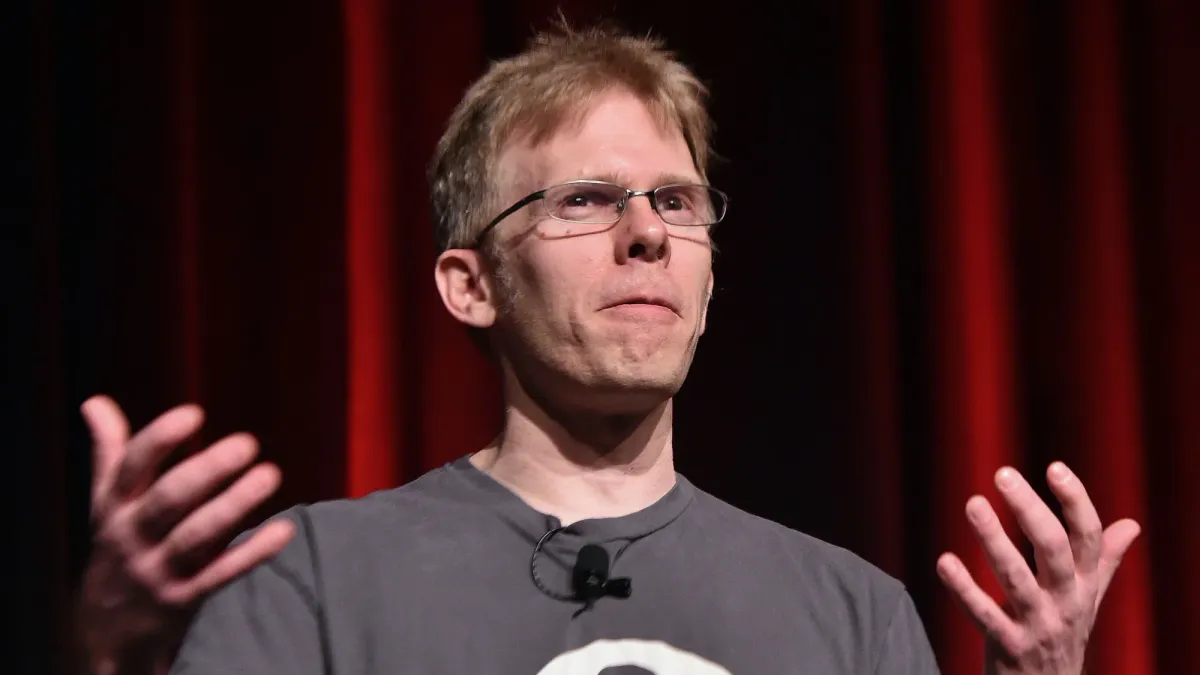
The Uncanny Oracle: How John Carmack's 2014 Oculus Strategy Memo Echoes in Meta's Latest Layoffs
A decade ago, a visionary's deep dive into the nascent world of virtual reality laid out a strategic roadmap. Today, as Meta grapples with significant challenges, that same document serves as an eerie prophecy.
A Time Capsule from 2014: The Oculus Strategy
In the fast-paced realm of technology, a single decade can feel like an eternity. Yet, some insights transcend time. Such is the case with a Reddit post from January 28, 2014, bearing the subject line "Oculus Strategy (LONG) - UploadVR." This venerable link, now resurfacing in the wake of Meta's recent layoffs, is widely understood to reference a detailed internal memo from none other than John Carmack, the legendary programmer and then-CTO of Oculus. His words, written before Facebook's acquisition of Oculus and the mainstream hype around VR, offer a chillingly accurate blueprint of the challenges Meta would eventually face.
At the time, Oculus was on the cusp of defining consumer VR. The Rift DK2 was stirring unprecedented excitement among developers and enthusiasts. Carmack, with his characteristic blend of technical pragmatism and visionary foresight, would have been acutely aware of both the immense potential and the treacherous pitfalls awaiting the nascent industry. His strategic missive likely delved into the critical importance of software ecosystems, robust developer tools, the necessity of a compelling killer app, and the dangers of closed platforms or fragmentation.
Carmack's Prescience: A Blueprint of Caution
While the full text of Carmack's original memo isn't publicly available in its entirety, his known philosophies and subsequent public statements provide a clear picture of his likely arguments. Carmack consistently advocated for:
- Content, Content, Content: The belief that hardware, no matter how advanced, is useless without compelling experiences. He emphasized the need for a rich library of diverse applications beyond just gaming demos.
- Developer Empowerment: Prioritizing robust, easy-to-use developer tools and an open environment to foster innovation, rather than locking down the ecosystem.
- Performance and Latency: His relentless pursuit of technical excellence to ensure a comfortable and immersive user experience, minimizing motion sickness and maximizing presence.
- Long-Term Vision vs. Short-Term Gains: A warning against rushing products to market or making short-sighted decisions that could compromise the long-term health and growth of the platform.
- Avoiding Fragmentation: The potential for different headsets and platforms to splinter the user base and developer efforts, hindering widespread adoption.
One can infer that his memo would have underscored the immense challenge of creating a truly mass-market VR experience, emphasizing that success hinged less on raw technological power and more on user accessibility, compelling use cases, and a vibrant, self-sustaining ecosystem.
Meta's Journey: Echoes of Unheeded Warnings
Fast forward to today, and Meta's Reality Labs division, the successor to Oculus, has poured billions into the Metaverse dream, largely centered around its Quest line of VR/AR headsets. Despite impressive hardware advancements, the division has consistently posted staggering losses, culminating in recent widespread layoffs that have shaken the company's morale and market confidence.
The parallels between Carmack's implied warnings and Meta's current predicament are striking:
- The Content Gap: While the Quest offers a decent gaming library, truly groundbreaking, mass-market "killer apps" for productivity, social interaction, or education beyond novelty remain elusive. The Metaverse, as envisioned, still struggles to offer compelling reasons for daily, widespread engagement.
- Walled Garden Concerns: Meta has largely pursued a closed ecosystem, requiring Meta accounts and controlling access to its platform. While this offers some control, it can stifle broader developer participation and limit the organic growth seen in more open computing paradigms.
- Long-Term Bet, Short-Term Pain: Meta's multi-year, multi-billion-dollar bet on the Metaverse is undoubtedly a long-term vision. However, the lack of clear, incremental wins and tangible user growth has made it vulnerable to market skepticism and shareholder pressure, leading to cost-cutting measures like layoffs.
The "fine wine" reference for Carmack's letter isn't just about age; it's about the increasing clarity and potency of his observations as time goes on. The challenges Meta faces today – from user adoption rates to content scarcity and the quest for profitability – seem to be precisely the issues a strategic mind like Carmack would have dissected and advised upon a decade ago.
Lessons for the Future of VR and Meta
The enduring relevance of Carmack's 2014 memo serves as a profound lesson for Meta and indeed, for any company venturing into revolutionary tech. Vision is crucial, but it must be grounded in realistic pathways to adoption, a robust ecosystem, and a relentless focus on delivering undeniable value to the end-user. Pouring billions into hardware without cultivating the content and tools to make it indispensable is a strategy fraught with peril.
As Meta navigates its future, perhaps a renewed focus on Carmack's core tenets – prioritizing fundamental user experience, empowering a diverse developer community, and fostering truly compelling applications – could provide a more stable foundation for its ambitious virtual future. The oracle spoke a decade ago; whether Meta truly listens now remains to be seen.