Artemis II: Humanity's Half-Century Leap Back to the Moon
By The NovaPress Editorial Board
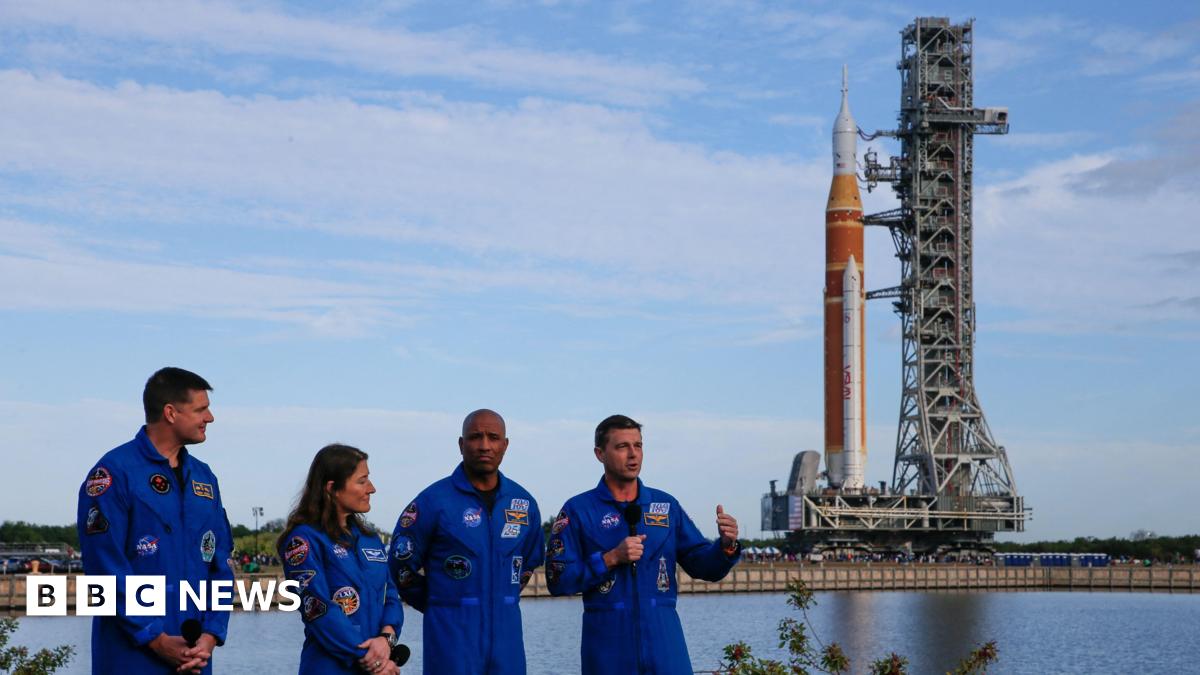
The air is thick with anticipation as NASA's Artemis II mission takes a monumental step towards its launch, with the colossal rocket now positioned on the launch pad. Slated to depart as early as February 6th, this mission is set to etch a new chapter in human history, marking the first time in over five decades that astronauts will journey around the Moon. This isn't merely a spaceflight; it's a symbolic reawakening of humanity's lunar ambitions, a bridge between the pioneering spirit of the Apollo era and a future of sustained deep-space exploration.
A New Era Dawns: The Context of Artemis
For generations, the Moon has been a silent sentinel, a constant reminder of humanity's initial audacious voyages. The last crewed mission to orbit the Moon was Apollo 17 in 1972, leaving an indelible mark but also creating a half-century void in direct human lunar engagement. The Artemis program emerges from this long hiatus, not as a simple repeat of past glories, but as a strategic, multi-phase initiative aimed at establishing a long-term human presence on and around the Moon, ultimately paving the way for missions to Mars.
Artemis I, an uncrewed test flight, successfully demonstrated the capabilities of the Space Launch System (SLS) rocket and the Orion spacecraft, sending Orion further than any human-rated spacecraft had ever flown. Now, Artemis II elevates the stakes, carrying four courageous astronauts on a highly anticipated lunar flyby, a critical precursor to future landings.
The Crew: Diverse Talent for a Historic Voyage
The crew of Artemis II embodies the international and inclusive spirit of modern space exploration. Commander Reid Wiseman, Pilot Victor Glover, Mission Specialist Christina Koch, and Canadian Space Agency (CSA) astronaut Jeremy Hansen represent a diverse blend of experience and backgrounds. Victor Glover will be the first African American to orbit the Moon, and Christina Koch will be the first woman. Jeremy Hansen’s inclusion highlights the collaborative nature of the Artemis program, fostering partnerships that transcend national borders and pool global expertise.
Their mission will involve rigorous testing of Orion's life support systems and communication capabilities in the deep-space environment, pushing the boundaries of what's possible before the eventual Artemis III mission, which aims to land humans back on the lunar surface.
Beyond the Moon: Future Implications and Scientific Frontiers
The successful execution of Artemis II is pivotal for the entire Artemis architecture. It validates the safety and functionality of the Orion capsule for crewed flights, essential for future lunar landers and the proposed Lunar Gateway — a multi-purpose outpost orbiting the Moon that will serve as a staging point for exploration, research, and resource utilization. The data collected from this mission will be invaluable for designing future habitats, mobility systems, and scientific instruments for a sustainable lunar presence.
Scientifically, a renewed presence on the Moon offers unparalleled opportunities. Access to previously unexplored polar regions, potentially rich in water ice, could revolutionize our understanding of the Moon's formation and offer crucial resources for propellant and life support. Furthermore, using the Moon as a testbed for technologies and human endurance will be instrumental in preparing for the monumental leap to Mars, making Artemis II not just a lunar mission, but a foundational step towards interplanetary travel.
A Moment of Global Significance
As the world watches the Artemis II rocket stand tall, awaiting its moment of glory, it's a reminder of humanity's enduring drive to explore and push the boundaries of what is known. This mission isn't just about NASA or a handful of astronauts; it's a testament to global cooperation, scientific ingenuity, and the collective aspiration to reach for the stars. The next giant leap is almost here, promising not just a return to the Moon, but the forging of a permanent path to the cosmos.