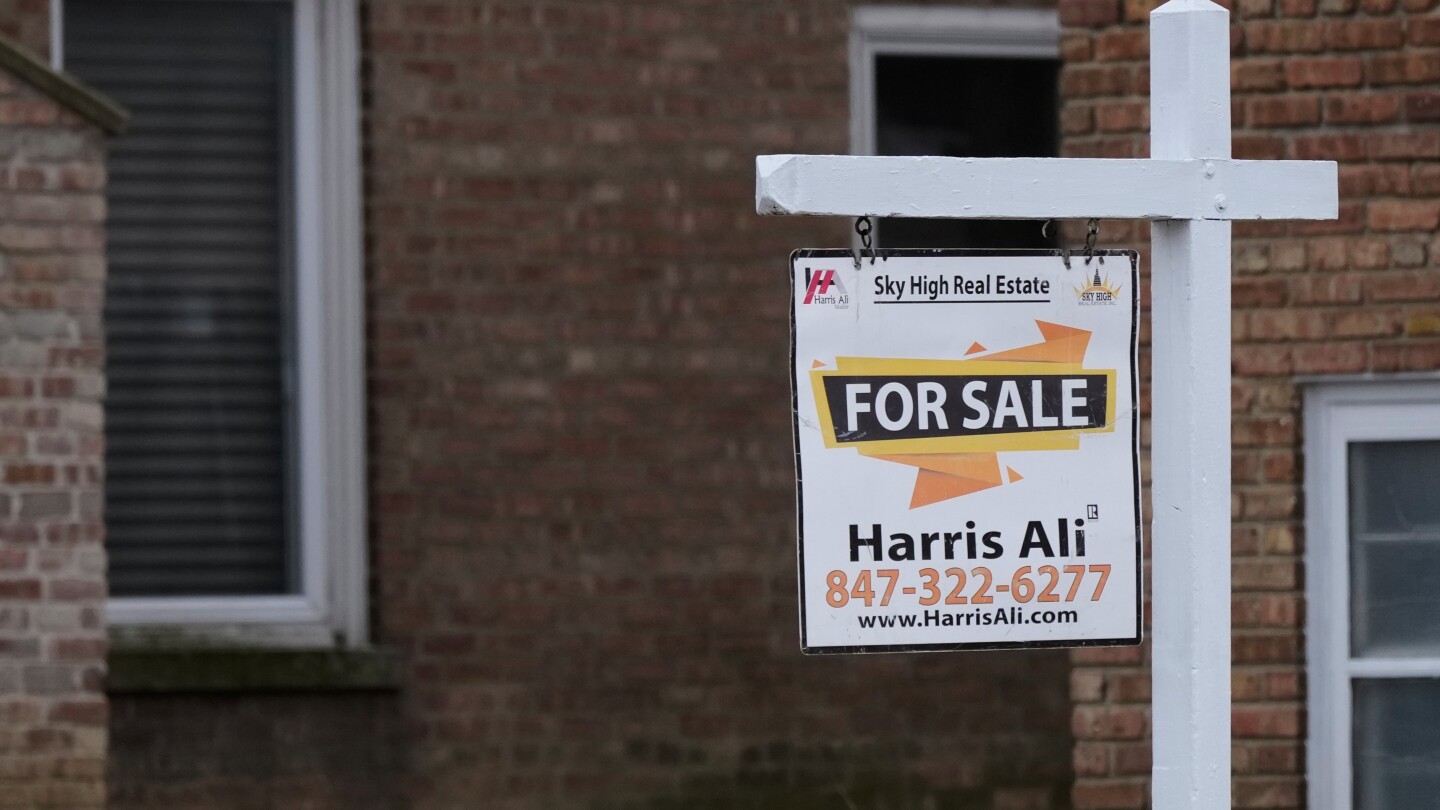
Housing Market Revival? Long-Term US Mortgage Rates Plunge to 3-Year Low
The American dream of homeownership just got a significant boost. After years of navigating a turbulent housing market marked by soaring interest rates, U.S. long-term mortgage rates have finally reached their lowest point in over three years. This week's drop signals a potentially pivotal moment for prospective homebuyers, current owners looking to refinance, and the broader economic landscape.
The Numbers Speak: A Closer Look at the Drop
According to mortgage buyer Freddie Mac, the benchmark 30-year fixed-rate mortgage eased to 6.06% this week, a notable decline from 6.16% just last week. This downward trend marks a significant departure from the highs experienced in recent years, offering a glimmer of hope to a market that has seen affordability stretched thin.
For context, just one year ago, rates were considerably higher, locking many out of the market. The consistent descent below the critical 7% threshold, and now flirting with the 6% mark, represents a substantial reduction in the monthly cost of borrowing for homebuyers.
Why the Rates Are Falling: Unpacking the Economic Factors
The current decline in mortgage rates isn't an isolated event; it's a direct reflection of broader economic shifts and market expectations. Several key factors are contributing to this trend:
- Easing Inflationary Pressures: The Federal Reserve's aggressive interest rate hikes over the past couple of years were primarily aimed at taming runaway inflation. Recent data suggesting a cooling in inflation has led markets to anticipate a less aggressive stance from the Fed, and even potential rate cuts in the near future.
- Bond Market Dynamics: Mortgage rates are closely tied to the yield on the 10-year Treasury bond. As investor confidence in the economy shifts and expectations for future Fed policy change, bond yields fluctuate. A decline in these yields often translates to lower mortgage rates.
- Economic Outlook: While the U.S. economy has shown remarkable resilience, there are signs of a gradual slowdown. This often prompts investors to seek safer assets like bonds, driving down yields and, consequently, mortgage rates.
Implications for the Housing Market: A Breath of Fresh Air?
The dip in mortgage rates could have profound implications across the housing sector:
Boost for Homebuyers
Lower rates directly translate to more affordable monthly mortgage payments, increasing purchasing power for many. A marginal drop can save homeowners thousands over the life of a loan, potentially bringing previously out-of-reach homes within budget. This is particularly good news for first-time buyers who have been sidelined by high costs.
Refinancing Opportunities
Existing homeowners who secured mortgages at higher rates might now find attractive opportunities to refinance. This could significantly reduce their monthly outgoings, freeing up capital for other investments or spending, and providing much-needed financial relief.
Increased Market Activity
The decline could stimulate demand, leading to more sales and a potential increase in housing inventory as sellers become more confident in listing their properties. This renewed activity could inject vitality back into a market that has seen subdued transaction volumes.
Looking Ahead: The Road to Further Stability
While the current trend is encouraging, the future trajectory of mortgage rates will depend on several dynamic factors. The Federal Reserve's upcoming decisions, continued inflation data, and the overall health of the U.S. and global economies will all play critical roles. Most analysts predict that while rates may not return to the historically low levels of the pandemic era, a gradual descent or stabilization around the 6% mark could persist if inflation remains under control and the Fed adopts a more accommodative stance.
"This moment could be a turning point, not just for the housing market, but for consumer confidence overall," notes financial analyst, Dr. Elena Petrova. "Lower borrowing costs tend to ripple through the economy, potentially stimulating spending and investment beyond just real estate."
Conclusion
The drop in U.S. long-term mortgage rates to their lowest point in over three years is a significant development, offering a renewed sense of optimism for millions. It underscores a broader economic narrative of softening inflation and shifting monetary policy. While challenges like housing supply and affordability in high-demand areas remain, this rate decline provides a crucial window of opportunity for many to achieve or improve their homeownership goals, potentially ushering in a more robust and accessible housing market in the months to come.