First-Ever ISS Medical Evacuation: A Critical Precedent for Humanity's Journey to the Stars
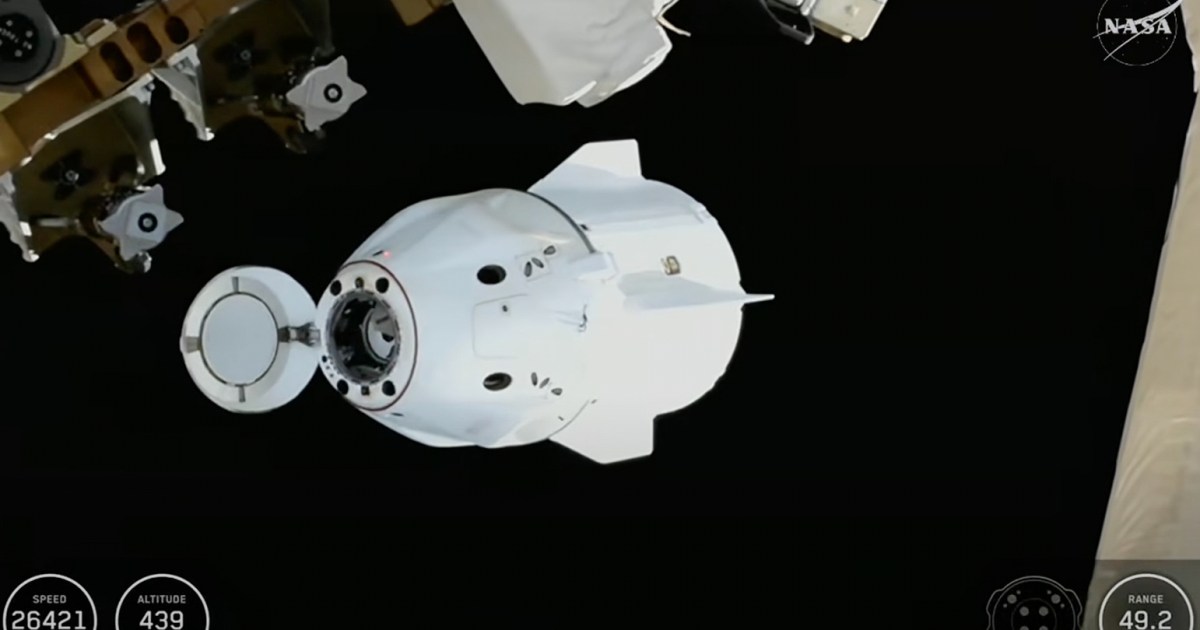
The gentle splashdown of a SpaceX capsule in the Pacific Ocean recently marked not just the end of a mission for four astronauts, but a quiet, historic milestone: the first-ever medical evacuation from the International Space Station (ISS). This unprecedented event, which saw crew members returning to Earth ahead of schedule due to a vital medical necessity, has sent ripples through the space community, prompting crucial questions about emergency protocols, crew health, and the future of human exploration beyond our planet.
The Immediate Event: A Rapid Return from Orbit
While details surrounding the specific medical condition of the astronaut remain undisclosed, the swift decision to truncate their mission underscores the criticality of the situation. Unlike on Earth, where medical facilities are often just minutes away, space presents an isolated, extreme environment where even minor health issues can escalate rapidly. The decision to initiate an emergency return is not taken lightly; it involves complex logistical coordination between multiple space agencies, ground control, and commercial partners like SpaceX, highlighting the robust, albeit rarely tested, emergency response framework in place.
Medical Preparedness in Low Earth Orbit: A Delicate Balance
The ISS is equipped with a modest medical bay, capable of handling routine ailments and minor injuries. Astronauts receive extensive medical training, including basic surgical procedures and emergency first aid. However, the scope of care is inherently limited. Advanced diagnostic tools, specialized surgical equipment, and complex pharmacological treatments found in terrestrial hospitals are simply not feasible in the microgravity environment of the orbital outpost. This stark reality means that for serious conditions, particularly those requiring immediate, specialized intervention, a return to Earth remains the only viable option.
This recent evacuation serves as a powerful reminder of these inherent limitations. It validates the existence of such emergency protocols but also pushes the envelope on what "preparedness" truly means when humanity ventures further from home.
Beyond LEO: What This Means for Moon and Mars Missions
The most profound implications of this event resonate with future missions to the Moon and, more significantly, to Mars. Unlike the ISS, which orbits a mere 400 kilometers above Earth, a journey to Mars could take months or even years, making a rapid return in a medical emergency utterly impossible. This reality necessitates a paradigm shift in how we approach crew health and medical capabilities for long-duration, deep-space missions.
Advancing Onboard Medical Technology
Future spacecraft destined for the Red Planet will require far more sophisticated medical facilities. This includes advanced telemedicine capabilities, allowing real-time consultation with Earth-based specialists; compact, AI-powered diagnostic tools; and potentially even robotic surgical assistants. Research into pharmaceuticals stable in space, gene therapies, and even 3D bioprinting for tissue repair could become critical areas of development.
Rethinking Crew Selection and Training
The event also underscores the paramount importance of crew selection. Astronauts for deep-space missions will not only need to be in peak physical condition but also possess an even greater degree of medical self-sufficiency and psychological resilience. Training will likely expand to include more advanced medical procedures, and crews might include dedicated medical personnel with comprehensive training across multiple disciplines.
Ethical and Operational Dilemmas
What happens if a critical illness or injury occurs halfway to Mars? Without the option of return, crews and mission control will face unprecedented ethical and operational dilemmas. The planning for such scenarios must begin now, involving not just engineers and doctors, but ethicists and psychologists to prepare for the inevitable challenges.
The Vital Role of Commercial Partners
This medical evacuation also highlights the indispensable role of commercial space companies like SpaceX. Their reliable transport capabilities are not merely ferrying astronauts to and from the ISS for routine rotations but are proving crucial in critical, time-sensitive emergencies. This partnership between government space agencies and private enterprise is not just about reducing costs but enhancing resilience and responsiveness in the dynamic frontier of space.
A New Chapter in Space Medicine and Exploration
The first-ever medical evacuation from the ISS is more than just a dramatic event; it is a profound learning opportunity. It forces humanity to confront the stark realities of space travel, pushing us to innovate, adapt, and refine our approach to life beyond Earth. As we look towards building permanent lunar bases and sending humans to Mars, this incident serves as a critical precedent, urging us to prepare not just for the wonders of discovery, but for the inherent risks and challenges that come with pushing the boundaries of human endurance. It is a testament to the fact that even in the vastness of space, the health and safety of a single human life remain paramount.