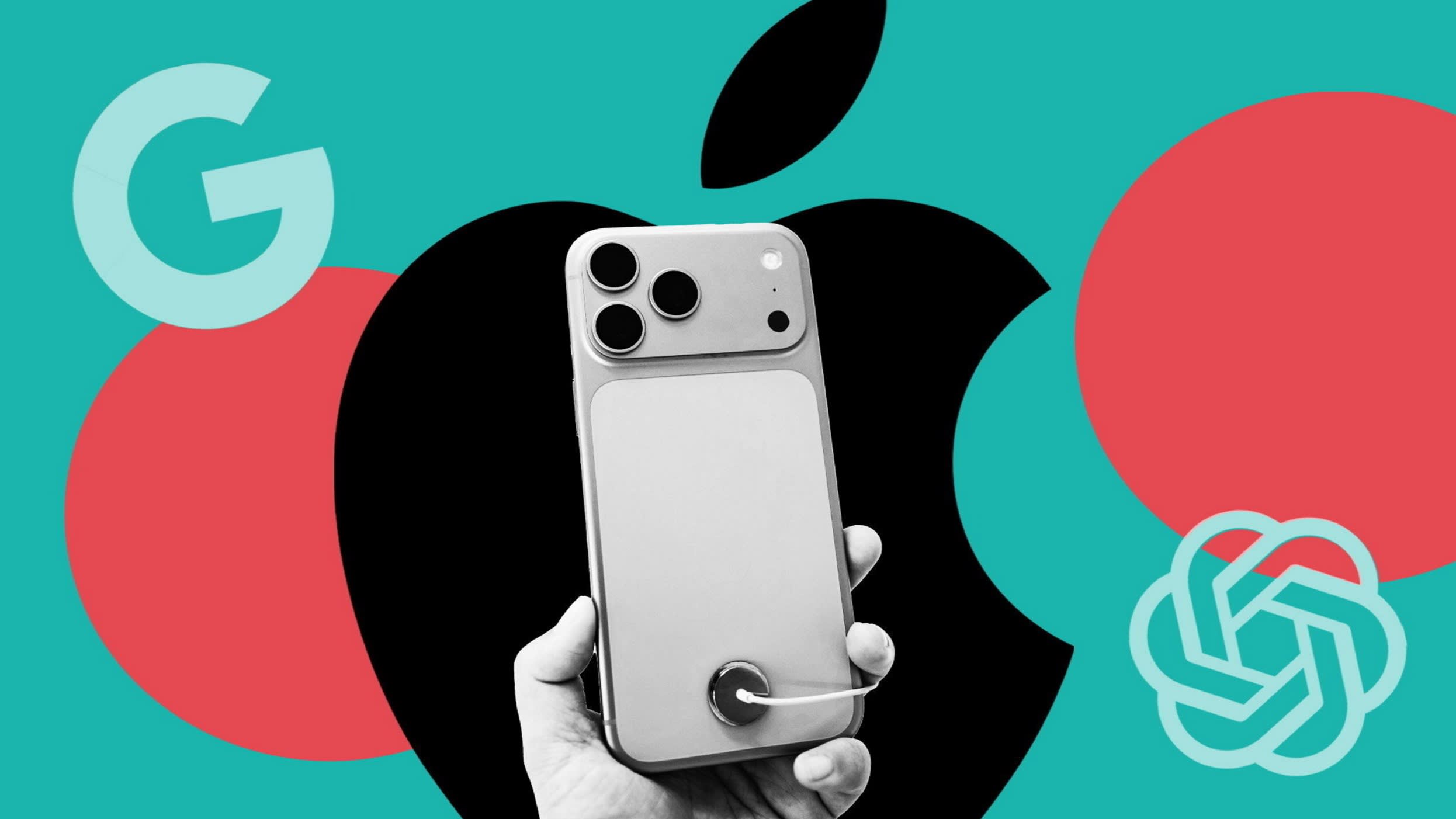
The Silent Power Play: How Apple Becomes AI's Kingmaker Without Firing a Shot
As tech giants pour billions into the artificial intelligence arms race, battling to develop the next groundbreaking foundational models, Apple appears to be playing a different game entirely. Instead of joining the fray to build its own large language models (LLMs) from the ground up, the Cupertino behemoth is reportedly securing multibillion-dollar deals for access to existing, powerful AI, positioning itself as the ultimate arbiter—the kingmaker—in a fiercely competitive landscape.
A Strategic Detour from the AI Gold Rush
While companies like Google, OpenAI, Microsoft, and Meta are locked in an intense battle for AI supremacy, investing staggering sums in research, development, and GPU clusters, Apple's strategy is notably distinct. Reports suggest a significant deal with Google to integrate its Gemini models across Apple devices, a move that speaks volumes about Apple's calculated approach. This isn't about avoiding AI; it's about intelligent integration.
Historically, Apple has excelled at creating seamless user experiences by integrating best-in-class hardware and software. Its approach to AI appears to mirror this philosophy: rather than shoulder the immense R&D costs and infrastructure spending required to develop cutting-edge LLMs, Apple is choosing to license and adapt proven technologies. This allows them to focus their formidable resources on what they do best: refining the user interface, enhancing privacy features, and integrating AI capabilities flawlessly into their ecosystem.
The Power of the Platform: Apple's Kingmaker Leverage
Apple's unique position stems from its unparalleled platform ubiquity. With billions of active devices worldwide—iPhones, iPads, Macs, Apple Watches—the company possesses an unrivaled distribution channel. Any AI model integrated into Apple's ecosystem instantly gains access to a massive global user base, effectively making Apple the gatekeeper for mainstream AI adoption. This is where its "kingmaker" status truly shines.
For a company like Google or OpenAI, securing a deal with Apple represents a monumental victory. It provides a direct conduit to users who might otherwise be difficult to reach or convince to adopt new AI services. In return, Apple gains access to advanced AI capabilities without the financial burden and time commitment of developing them internally. It's a symbiotic relationship, but one where Apple holds the ultimate trump card: access to its users.
Cautious Spending, Maximum Impact
The description of Apple's strategy as a "cautious approach to infrastructure spending" highlights a fundamental difference in corporate priorities. Building and maintaining the infrastructure for foundational AI models requires astronomical investments in data centers, specialized chips, and a legion of top-tier AI researchers. By opting for a licensing model, Apple sidesteps much of this expenditure, freeing up capital for other strategic initiatives, such as chip design, augmented reality, or services expansion.
This isn't to say Apple isn't investing in AI at all. They are undoubtedly enhancing their on-device AI capabilities for tasks like image processing, voice recognition (Siri), and predictive text, focusing on efficiency and privacy where computation can be done locally. However, for generalized, powerful LLMs, they seem content to leverage the hard work of others, turning a potential weakness (lack of foundational AI lead) into a strategic strength (efficient, widespread integration).
Future Implications: A New Paradigm for AI Adoption?
Apple's strategy could set a precedent for how AI is integrated into mainstream consumer technology. It suggests a future where foundational AI models become more commoditized, with their value derived from widespread adoption and seamless integration rather than exclusive ownership. For consumers, this could mean highly sophisticated AI capabilities woven directly into their daily devices, enhancing productivity and interaction without the need to consciously choose a specific AI provider.
However, this approach also carries risks. Apple's reliance on third-party AI could potentially limit its long-term control over core intelligence features or expose it to the strategic whims of its partners. Yet, given Apple's history of shrewd negotiations and ecosystem control, it’s likely they've structured these deals to maintain significant leverage and ensure their brand promise of privacy and user experience remains intact.
In essence, Apple isn't just sitting out the AI arms race; it's redefining the rules of engagement. By choosing to be the kingmaker, it secures access to cutting-edge AI, sidesteps massive infrastructure costs, and solidifies its position as the ultimate platform for delivering advanced technology to the masses. The roaring engines of the AI race might be elsewhere, but the silent hand guiding their direction could very well be Apple's.