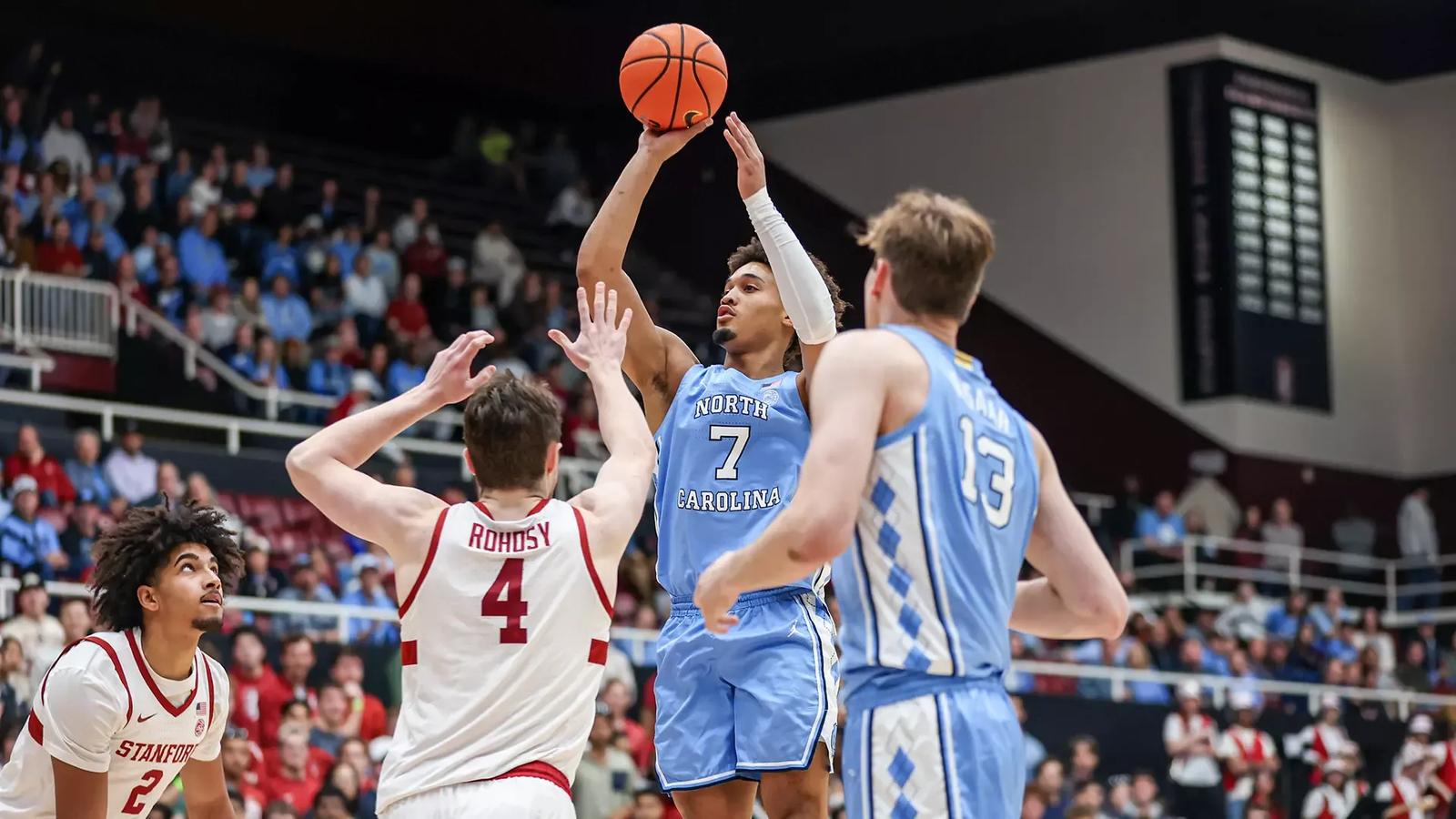
The Cross-Continental Gambit: Unpacking Carolina's Historic Visit to Stanford and the Future of ACC Athletics
The quiet hum of a departing charter plane from Chapel Hill, carrying the University of North Carolina's athletic contingent westward, wasn't just another road trip for the Tar Heels. It was a tangible manifestation of a seismic shift reshaping the landscape of American collegiate sports. Carolina's first ACC visit to Palo Alto, as highlighted by the 'Lucas: Stanford Rapid Reactions', transcends the immediate on-field outcomes; it's a bellwether for a new, economically driven era, fraught with both promise and unprecedented challenges.
The Genesis of a Giant Leap: ACC Expansion and the Revenue Imperative
The narrative of conference realignment in collegiate athletics has become a familiar, if unsettling, saga. Driven predominantly by the insatiable appetite for lucrative media rights and the need for financial stability in an escalating arms race, conferences have pushed geographical boundaries beyond historical norms. The Atlantic Coast Conference's strategic move to integrate West Coast powerhouses like Stanford (alongside Cal and SMU) was a bold, some might say desperate, gambit to secure its competitive and financial future against the backdrop of an ever-shifting collegiate landscape. This visit, therefore, wasn't merely a game; it was the physical enactment of a strategic vision, a statement of intent to adapt or be left behind in the pursuit of the next billion-dollar media deal.
Logistical Labyrinth and Student-Athlete Welfare
For the student-athletes, coaches, and support staff, the journey from Chapel Hill to Palo Alto is no small feat. It's a logistical labyrinth involving thousands of miles, multiple time zones, and considerable academic disruption. Consider the immediate impacts: cross-country flights demanding hours in transit, the inevitable struggle with jet lag impacting sleep cycles and cognitive function, and the intricate balancing act of maintaining academic rigor while preparing for elite athletic competition. Coaches face the challenge of optimizing training schedules to account for these physiological hurdles, while academic advisors work overtime to minimize class conflicts and ensure educational continuity.
This travel burden raises profound questions about student-athlete welfare. While they are compensated through scholarships and increasingly Name, Image, and Likeness (NIL) opportunities, the fundamental premise of collegiate sports hinges on the student experience. The demand to perform at an elite level after such extensive travel tests the limits of physical and mental endurance, forcing institutions to critically evaluate the sustainability and fairness of such arrangements. The 'rapid reactions' from Stanford likely touched upon the immediate toll, but the long-term cumulative effects remain a significant concern.
Athletic Performance and Competitive Balance
Beyond the human element, there's the undeniable impact on athletic performance. Does a team flying across the country arrive fully optimized to compete against a local opponent? Studies on jet lag and athletic performance suggest a significant decrement in power, endurance, and reaction time, particularly in the immediate aftermath of long-distance travel. How will teams adapt their pre-game routines, nutrition, and recovery protocols to mitigate these effects? Furthermore, the expansion raises questions about competitive balance. Can East Coast teams consistently perform at their peak against West Coast opponents, and vice-versa, when facing such travel disparities multiple times a season?
The implications extend to recruiting as well. Will the prospect of regular cross-country travel deter potential recruits from committing to schools now part of a coast-to-coast conference? Or will the allure of competing against a broader array of top-tier institutions, coupled with enhanced media exposure, outweigh these concerns? Only time will tell as recruits weigh their options in this brave new world.
The Financial Tapestry: Costs vs. Benefits
The driving force behind this expansion is undoubtedly financial, yet the costs associated with transcontinental travel for entire athletic departments are astronomical. Charter flights, accommodation, meals, and increased logistical support represent a significant budgetary outlay. The hope is that these costs will be offset by substantial increases in media rights revenue, derived from expanded markets and more attractive matchups for television networks. However, the economic viability of such expansive conferences in the long term remains a subject of intense debate. Is the incremental financial gain truly worth the operational complexities, the strain on student-athletes, and the potential dilution of traditional rivalries that once defined collegiate athletics?
The Road Ahead: A Blueprint for a New Era?
Carolina's visit to Stanford is more than a single historical event; it is a critical test case. The 'rapid reactions' from Lucas and others will serve as invaluable data points, informing future decisions on scheduling, travel policies, and student-athlete support mechanisms. Will this transcontinental model prove sustainable, or is it merely a temporary solution in a volatile landscape? It compels the NCAA and individual conferences to innovate, potentially leading to new travel partnerships, regionalized scheduling blocks, or enhanced technological solutions for academic support.
Ultimately, this historic journey to Palo Alto forces a reckoning with the core identity of collegiate sports. It is a complex balancing act between economic necessity, athletic integrity, and the fundamental well-being of the student-athletes who embody the spirit of these institutions. The choices made in response to the challenges highlighted by this new reality will shape not only the future of the ACC but potentially serve as a blueprint – or a cautionary tale – for the entire NCAA Division I structure.