Urgent Return: The First ISS Medical Evacuation and Its Profound Implications for Human Spaceflight
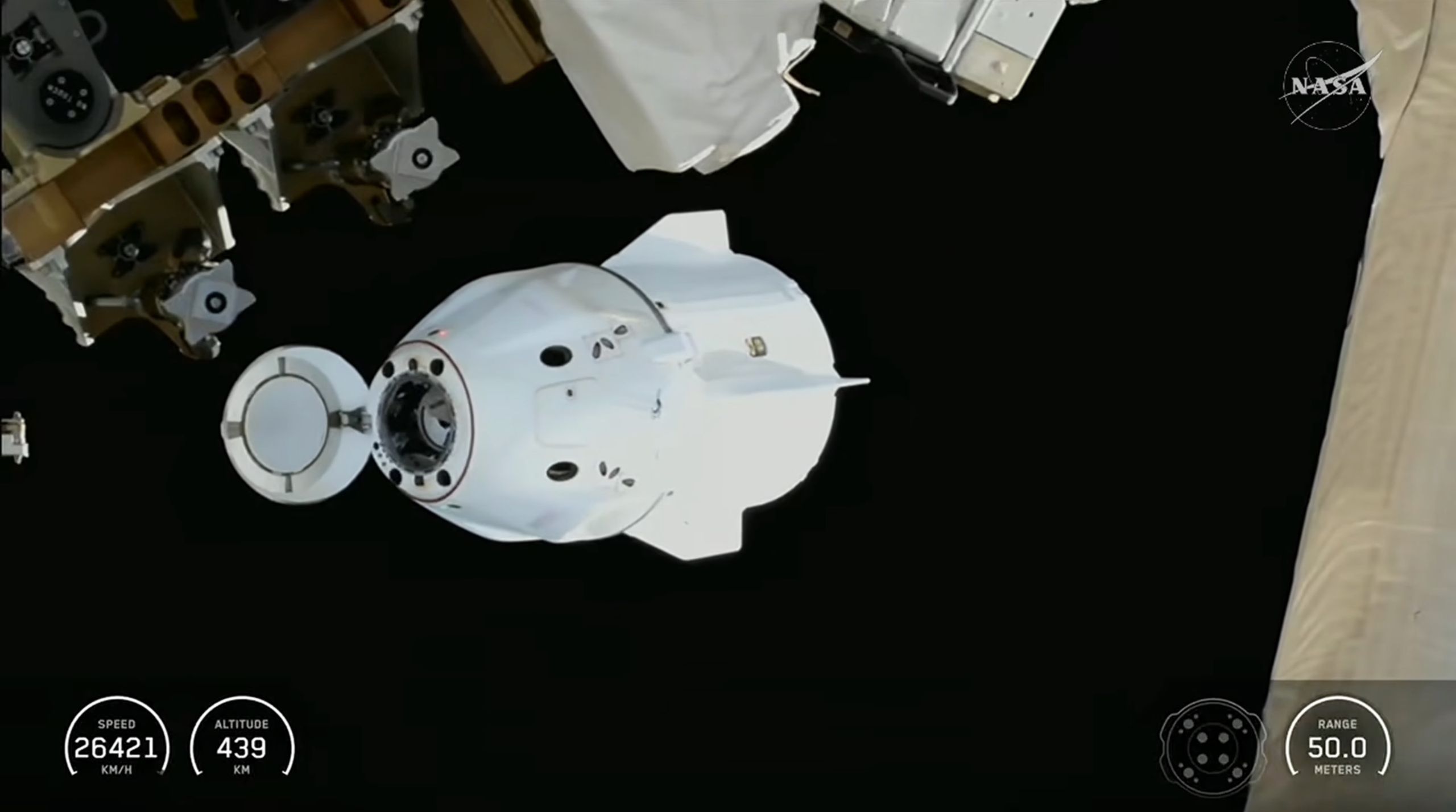
On January 14, at 5:20 p.m. EST, history was quietly made above our heads. Four astronauts aboard the International Space Station (ISS) undocked and began their urgent journey back to Earth, more than a month ahead of schedule. This was no ordinary mission curtailment; it marked the first-ever medical evacuation from the orbiting outpost, a critical event that will undoubtedly reshape the future of human spaceflight. NovaPress delves into the unprecedented decision and its far-reaching consequences.
A Critical Decision in Orbit
The decision to cut short SpaceX's Crew-11 mission was not taken lightly. For years, the ISS has maintained an impeccable safety record, with medical incidents typically managed on-station by trained astronaut-medics, often with real-time teleconsultations from ground control. However, the nature of this particular situation necessitated an immediate return, prioritizing the health and safety of an astronaut. While details regarding the specific medical condition remain private, the swift action underscores NASA's unwavering commitment to its crew.
The operation involved a complex interplay of orbital mechanics, spacecraft readiness, and human decision-making. NASA, in close coordination with SpaceX, rapidly prepared the Crew Dragon capsule for an unscheduled reentry. This flexibility and responsiveness highlight the incredible capabilities of modern commercial space transportation, which has become an indispensable asset for critical mission operations.
Space Medicine's New Frontier: Preparedness and Response
This medical evacuation serves as a powerful validation of decades of advancements in space medicine and emergency protocols. From the rudimentary first aid kits of the Apollo era to today's sophisticated telemedicine capabilities and on-orbit diagnostics, space agencies have continually pushed the boundaries of remote medical care. Yet, the reality remains: space is an inherently hostile environment, and serious health crises demand decisive action.
The event will undoubtedly trigger a comprehensive review of existing medical contingency plans. Experts will analyze how such situations can be better anticipated, mitigated, and responded to. This could lead to further enhancements in on-board medical equipment, advanced diagnostic tools, and even discussions about the feasibility of more complex medical procedures or increased medical training for future long-duration mission crews. The lessons learned here are invaluable, providing real-world data to refine theoretical models and training simulations.
Operational Rethink: Reshaping Mission Planning
Beyond the immediate medical implications, the Crew-11 early return carries significant operational ramifications for the ISS and future space missions. Adjusting crew rotations, managing remaining resources, and adapting ongoing scientific experiments require meticulous planning and execution. It demonstrates the critical importance of redundancy and flexibility in mission scheduling and crew assignment. The ability to bring a crew home safely, even under emergent circumstances, is a testament to the robust systems and dedicated personnel supporting the ISS.
This event also shines a spotlight on the growing reliance on commercial partners like SpaceX for critical human spaceflight capabilities. The agility with which SpaceX's Crew Dragon was prepared for an early undocking and reentry showcases the advantages of commercial providers in complementing NASA's deep-space infrastructure. This partnership will be crucial as humanity ventures further from Earth.
Beyond Earth Orbit: Lessons for Deep Space Exploration
Perhaps the most profound implications of this first-ever medical evacuation lie in what it means for future deep-space missions to the Moon, Mars, and beyond. On the ISS, help is relatively 'close' — a matter of hours or a few days away. For missions to Mars, rescue is simply not an option. The 'tyranny of distance' means that future astronauts must be almost entirely self-sufficient in medical care.
This event underscores the urgent need for revolutionary advancements in autonomous medical systems, AI-driven diagnostics, advanced telemedicine with significant time delays, and even on-board pharmaceutical manufacturing. Astronauts on long-duration missions will require extensive medical training, and spacecraft will need to be equipped with sophisticated medical bays capable of handling a wide array of emergencies, from trauma to complex illnesses. The Crew-11 evacuation is a stark reminder that while the dream of multi-planetary existence burns bright, the biological realities of human frailty must be addressed with equal fervor.
A New Chapter in Human Exploration
The medical evacuation of Crew-11 is a somber yet pivotal moment in space exploration. It is a testament to the rigorous planning, advanced technology, and human dedication that underpin our presence in space. While the immediate focus remains on the well-being of the returning astronaut, the broader scientific and operational communities will meticulously dissect every aspect of this event. The insights gained will not only enhance the safety of future ISS crews but will also fundamentally shape the blueprints for safeguarding human life on journeys to the Moon, Mars, and the stars. This isn't just a challenge; it's a catalyst for the next great leap in space medicine and exploration.