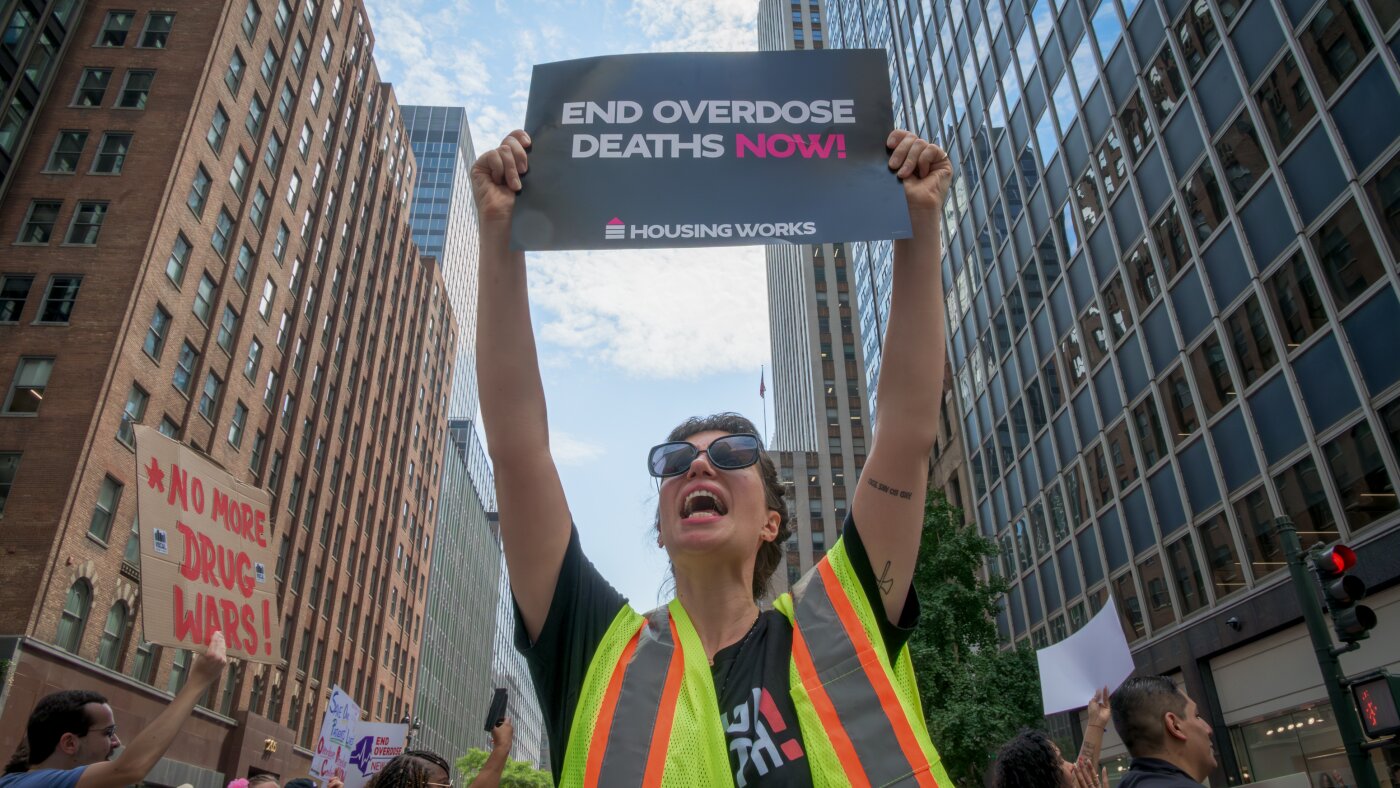
America's Lifeline Severed: Trump Administration Terminates $2 Billion in Critical Mental Health and Addiction Grants
In a move that sent shockwaves across the nation, the Trump administration abruptly terminated hundreds of federal grants vital for mental health and drug addiction services. The decision, delivered via termination letters effective immediately, threatens to dismantle a crucial support system for millions of Americans, potentially cutting as much as $2 billion from programs at a time when the need for such services is escalating.
An Unprecedented Blow to Vulnerable Communities
The sudden cessation of these grants represents an unprecedented blow to a healthcare infrastructure already grappling with immense challenges. These federal funds are the lifeblood for countless community health centers, rehabilitation programs, crisis intervention services, and preventative care initiatives nationwide. They support everything from direct patient therapy and medication-assisted treatment for opioid addiction to housing support for individuals in recovery and mental health first aid training in schools.
The timing of this decision is particularly perplexing and potentially devastating. The United States continues to battle an escalating opioid epidemic that claims tens of thousands of lives annually, alongside a burgeoning mental health crisis exacerbated by societal stressors. Access to affordable, quality mental health and addiction treatment remains a significant barrier for many, and these grants have historically served as a critical bridge, allowing states and local organizations to fill gaps where private insurance coverage falls short or is non-existent.
Immediate Fallout: Programs on the Brink
The "effective immediately" clause in the termination letters means that many programs will face an instantaneous funding cliff. This isn't a gradual phase-out; it's an immediate cessation that leaves organizations scrambling with no time to find alternative funding or wind down operations responsibly. The immediate fallout is expected to be severe:
- Program Closures: Many smaller, grant-dependent organizations may be forced to close their doors, leaving thousands of patients without ongoing care.
- Layoffs: Therapists, counselors, social workers, and administrative staff will face job losses, further reducing the national capacity for care.
- Increased Overdoses and Relapses: Patients mid-treatment for addiction, suddenly cut off from support, are at significantly higher risk of relapse and fatal overdose.
- Worsening Mental Health Outcomes: Individuals relying on these services for conditions like depression, anxiety, and severe mental illness will experience disrupted care, potentially leading to crises and increased strain on emergency services.
The ripple effects extend beyond direct patient care. Hospitals and emergency rooms, already stretched thin, could see an influx of individuals in crisis with no access to specialized mental health or addiction support. Law enforcement may also bear a heavier burden as untreated conditions lead to increased societal challenges.
A Deeper Look at the Policy Landscape
While the administration's stated rationale for these specific cuts has not been fully articulated in public statements, this move aligns with broader efforts to reduce federal spending and shift responsibilities to states. However, critics argue that such a drastic and sudden cut without a clear, viable alternative plan places an impossible burden on states and local communities, many of which lack the fiscal capacity to absorb such a substantial funding gap.
Advocacy groups and healthcare professionals have already begun to voice their outrage and concern, highlighting the immense human cost of such a decision. They contend that investments in mental health and addiction services are not merely expenses but critical investments in public health, safety, and economic productivity. Untreated addiction and mental illness lead to higher healthcare costs in the long run, increased crime rates, and lost productivity.
Looking Ahead: An Uncertain Future
The coming weeks and months will reveal the full extent of this policy decision's impact. As providers grapple with immediate closures and patients face severed lifelines, the consequences will undoubtedly cascade through communities nationwide. The debate over federal versus state responsibility for healthcare funding will intensify, but for now, the immediate concern remains the fate of millions of Americans whose access to vital mental health and addiction support has been jeopardized overnight.
This move by the Trump administration sets a perilous precedent, signaling a potential shift away from federal support for public health crises and leaving states and individuals to shoulder an increasingly heavy burden. The question now is not if, but how severely, America's most vulnerable will suffer.