Boeing's Resurgence: Outselling Airbus Marks a New Chapter in Aviation's Fiercest Rivalry
After years of turbulence, the American aerospace giant finally pulls ahead of its European competitor in a landmark year.
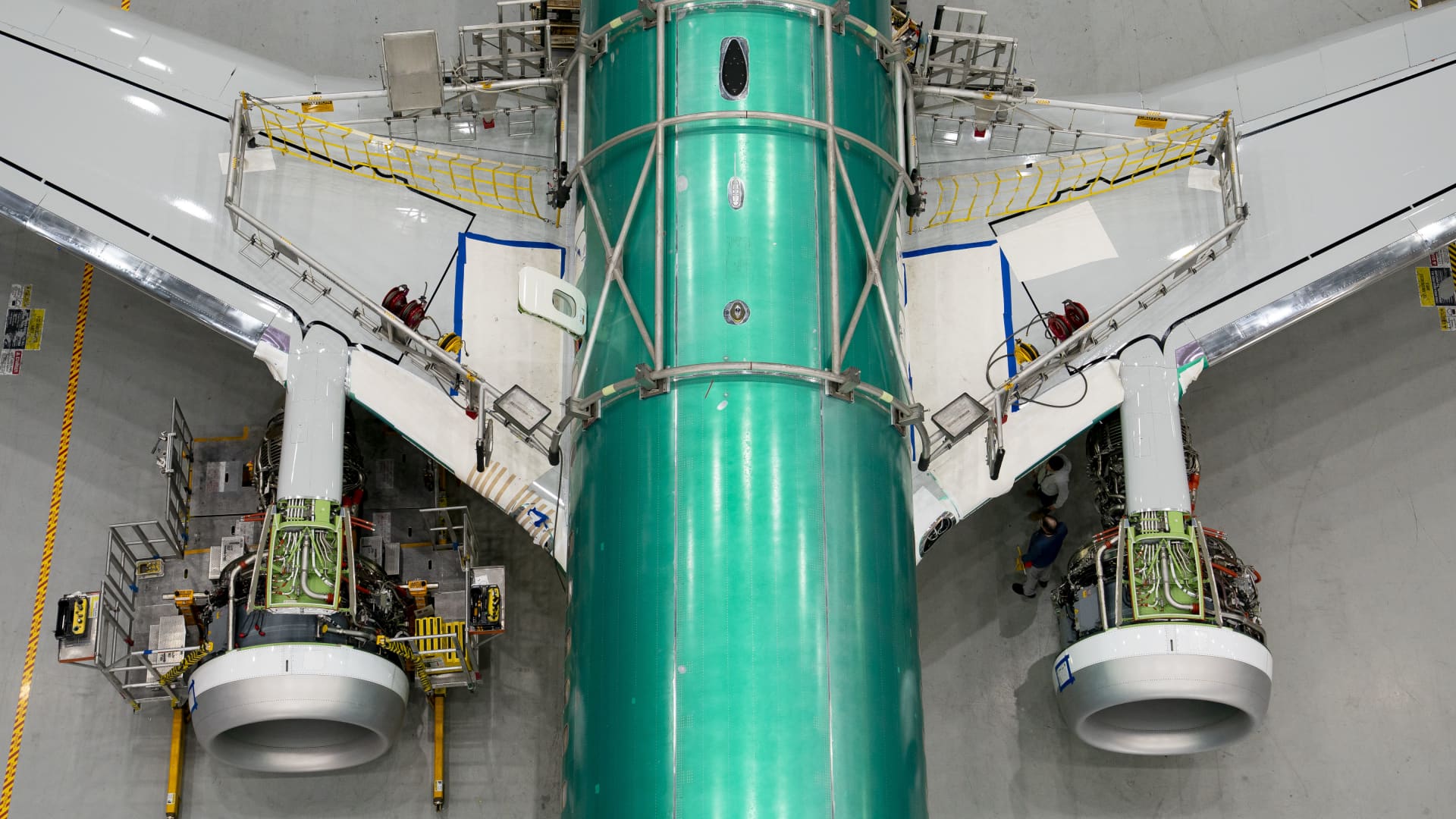
In a significant turn of events that signals a potential shift in the global aerospace landscape, Boeing has outsold its European rival, Airbus, for the first time since 2018. The American manufacturer reported net orders for an impressive 1,173 airplanes last year, alongside delivering 600 jetliners, including 63 in December alone. This achievement is not merely a statistical victory; it represents a powerful testament to Boeing's strenuous efforts towards recovery after navigating one of the most tumultuous periods in its illustrious history.
From Turbulence to Takeoff: Boeing's Uphill Battle
The path to this resurgence has been anything but smooth. For half a decade, Boeing grappled with immense challenges, most notably the tragic 737 MAX crashes, which led to a prolonged global grounding of its best-selling aircraft. This crisis, coupled with subsequent production glitches, quality control scrutiny, and the immense financial strain of the pandemic, allowed Airbus to solidify its market dominance, often leaving Boeing playing catch-up.
During this period, Airbus capitalized on its streamlined product portfolio and robust production lines, consistently outpacing Boeing in both orders and deliveries. The narrative largely revolved around Boeing's struggles, making this recent announcement a stark and compelling pivot. It suggests that the intensive internal overhauls, leadership changes, and renewed focus on safety and quality are finally beginning to bear fruit, restoring crucial customer confidence.
The Numbers Speak: A Deep Dive into Boeing's Performance
The raw figures are compelling. Delivering 600 jetliners in a single year, with a strong finish of 63 in December, indicates a significant ramp-up in production capacity and efficiency. More crucially, the 1,173 net orders represent the true measure of market demand and future revenue potential. This substantial order book, largely fueled by a global aviation industry keen on modernizing fleets and meeting surging post-pandemic travel demand, positions Boeing strongly for sustained growth.
These orders likely span across its refreshed 737 MAX family, which has steadily regained trust, and its wide-body offerings like the 787 Dreamliner and 777X, catering to long-haul travel recovery. The ability to secure such a high volume of new business against a formidable competitor like Airbus underscores a renewed commercial vigor and strategic effectiveness.
Beyond the Head-to-Head: Broader Market Dynamics
While the Boeing-Airbus rivalry often dominates headlines, it’s essential to view this development within the context of the broader aviation market. Global air travel demand has rebounded faster than many predicted, driving airlines to invest heavily in new, more fuel-efficient aircraft. Factors such as sustainability initiatives, fleet modernization, and the expansion of routes in emerging markets are significant tailwinds for both major manufacturers.
Boeing’s success in capturing a larger share of these orders suggests it has effectively addressed some underlying concerns, proving its commitment to delivering reliable products on schedule. However, the industry still faces persistent challenges, including supply chain bottlenecks, labor shortages, and rising material costs, which will continue to test the resilience of both aerospace giants.
What's Next for the Aviation Duopoly?
This landmark year for Boeing undoubtedly injects new dynamism into the duopoly. While one year's performance does not guarantee sustained dominance, it certainly shifts the momentum. Airbus, known for its strong backlog and efficient operations, will likely redouble its efforts to reclaim the lead, intensifying the competition in both the narrow-body and wide-body segments.
For Boeing, the challenge now lies in maintaining this trajectory. Continued focus on impeccable quality control, timely deliveries, and the successful rollout of new programs will be paramount. The long-term recovery isn't just about orders; it's about rebuilding a reputation that was severely tested. This latest achievement, however, provides a robust foundation upon which to build a truly lasting recovery, promising an exciting and fiercely contested future for global aviation.