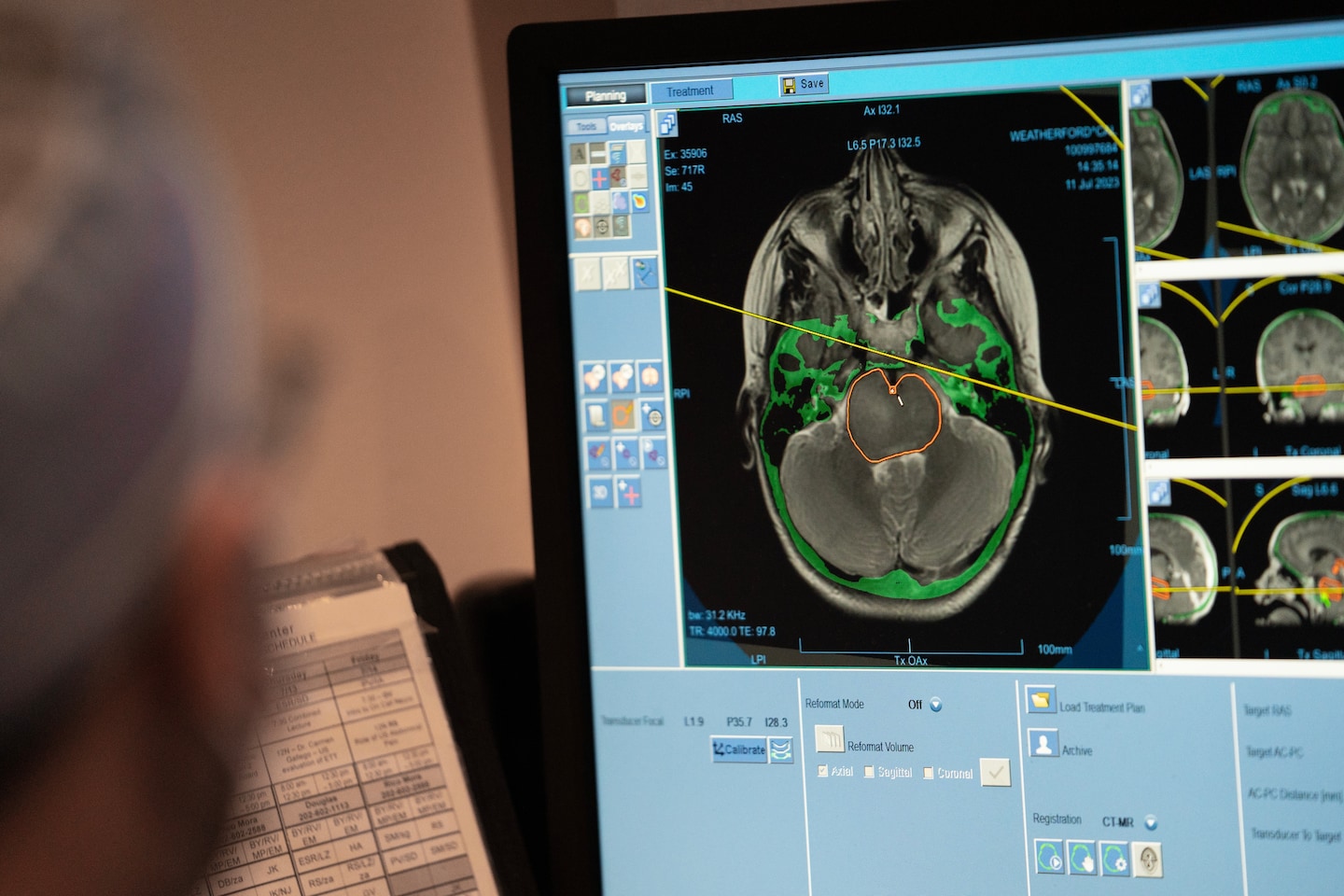
The Mirage of Wellness: When a $2,500 Scan Fails to See the Storm
In an age where technology promises to unveil every secret, the allure of proactive health screening is undeniable. But what happens when that promise delivers a devastating betrayal?
The $2,500 Illusion: A Personal Catastrophe
July 2023. A 35-year-old Manhattan professional, seeking peace of mind, invested $2,500 in a full-body MRI scan from Prenuvo, a company lauded by celebrities for its comprehensive health insights. The verdict? He was healthy. Weeks later, that pronouncement shattered into a catastrophic stroke, leaving critical questions about the efficacy and ethics of direct-to-consumer health screenings.
This harrowing incident casts a stark spotlight on a burgeoning industry where cutting-edge technology meets pervasive health anxiety. Prenuvo, like others in this space, champions its ability to detect "hazardous conditions early," offering a seductive narrative of pre-emptive control over one's mortality. Yet, as this case tragically illustrates, the reality can be far more complex and, at times, dangerously misleading.
The Promise vs. The Peril: Medical Science Weighs In
The medical establishment has long regarded routine, asymptomatic full-body scans with a cautious, often skeptical eye. Major medical associations, including the American College of Radiology, explicitly advise against such screenings for the general public, citing a litany of concerns:
- False Positives: High-resolution scans can often identify benign anomalies or incidental findings that, while harmless, trigger a cascade of anxiety, further expensive diagnostic tests (biopsies, follow-up imaging), and potentially invasive procedures, all with their own risks.
- False Sense of Security: Conversely, as seen in the Manhattan man's case, a "clean" scan can instill a dangerous complacency, leading individuals to ignore subtle symptoms or delay seeking conventional medical advice, believing they are immune.
- Lack of Evidence: There is currently insufficient scientific evidence to support the claim that routine full-body MRI screening improves health outcomes or reduces mortality in asymptomatic individuals. The cost-benefit analysis simply doesn't hold up for broad application.
- Ethical Dilemmas: The marketing often preys on health anxieties, particularly among the affluent who can afford these services, creating a two-tiered system of health information access without proven benefit.
While proponents argue for individualized preventative medicine, critics contend that these services are a lucrative business model masquerading as a medical breakthrough, bypassing the rigorous validation and oversight typically applied to new medical screening methods.
Beyond the Scan: The Psychology of Wellness Capitalism
Why are individuals, despite medical warnings, drawn to these expensive services? Part of the answer lies in the human desire for control and certainty in an uncertain world. The digital age has fostered an expectation of immediate, comprehensive data, and health is no exception. Celebrity endorsements amplify this trend, lending an aura of aspirational wellness and exclusivity.
This phenomenon is indicative of a broader trend: the commercialization of health anxieties. Companies like Prenuvo tap into a deep-seated fear of the unknown, offering a perceived solution through advanced diagnostics. However, without proper context and robust medical interpretation, raw data can be more harmful than helpful.
Future Implications: Navigating the Frontier of Personalized Health
The tragic case of the Manhattan man serves as a potent reminder that not all technological advancements translate directly into improved health. It underscores the critical need for a balanced approach to personalized medicine, one that prioritizes evidence-based practices, rigorous clinical validation, and transparent communication about risks and limitations.
Regulators face a growing challenge in overseeing direct-to-consumer health technologies that operate in a grey area, outside the traditional medical referral system. As AI and advanced imaging become more prevalent, ensuring patient safety and preventing exploitation of health anxieties will be paramount.
For the consumer, the lesson is clear: while curiosity about one's body is natural, critical thinking and consultation with trusted medical professionals remain the most valuable tools in navigating the complex landscape of health and wellness. A scan, no matter how sophisticated or costly, is not a substitute for comprehensive, evidence-based medical care.
NovaPress investigates the intersections of technology, health, and society to provide deep, analytical insights.