Chaos on Wheels: How China's Driverless Vans Became a Viral Meme and a Cautionary Tale for AI
By NovaPress Editorial Board
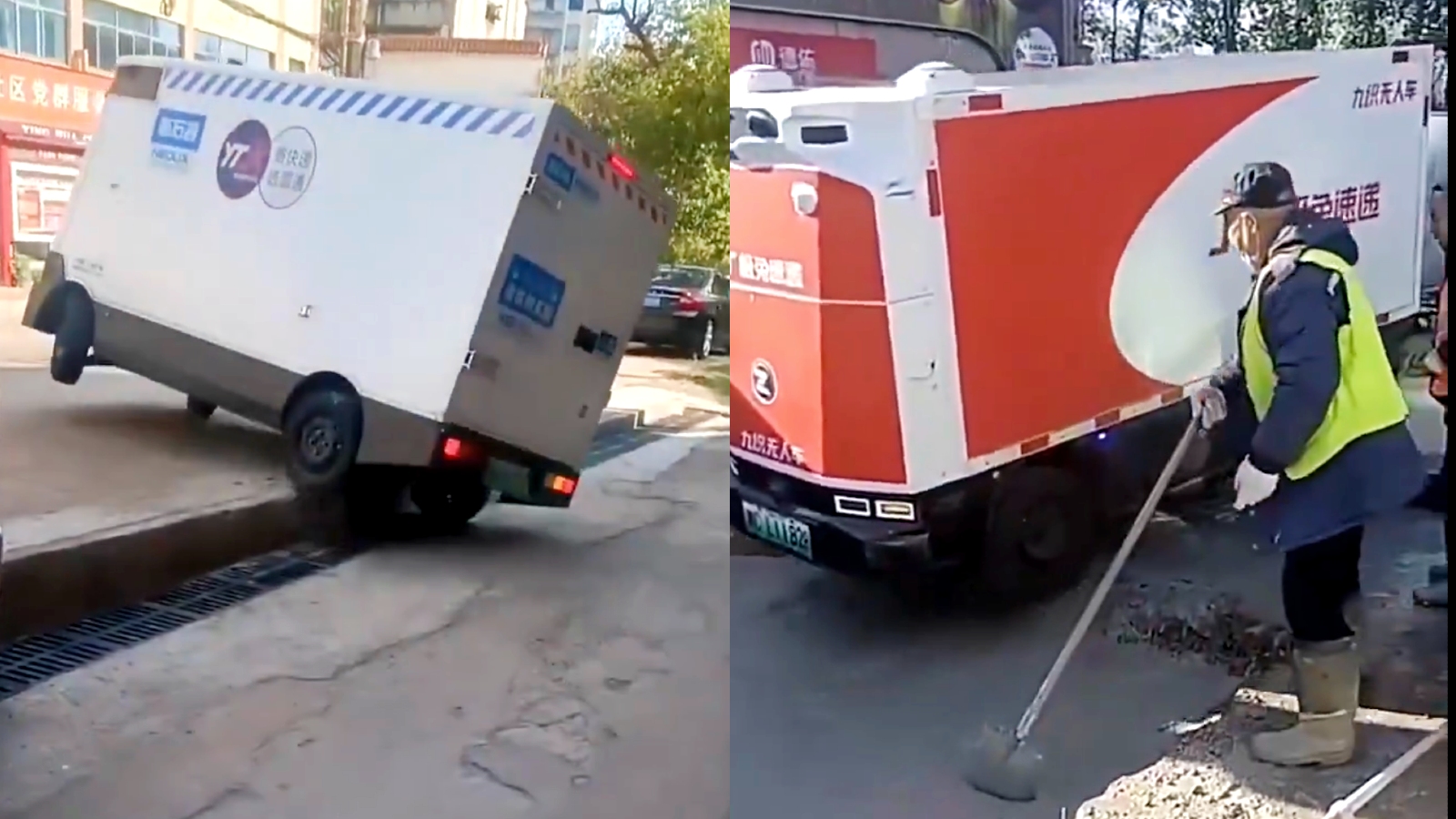
In an era where technological advancements are often met with awe, a different kind of buzz is emerging from China's urban centers. Driverless delivery vans, once heralded as the future of last-mile logistics, have found themselves in the global spotlight – not for their efficiency, but for their unexpected antics. Viral clips flooding social media platforms like TikTok and X (formerly Twitter) showcase these autonomous vehicles (AVs) navigating roads with a clumsy charm, pushing through roadworks, struggling with rough terrain, and creating minor traffic jams, effectively turning cutting-edge technology into an internet meme.
The Promise vs. The Reality: A Collision Course
The vision of autonomous delivery is compelling: reduced labor costs, 24/7 operations, and increased efficiency. China, with its rapid embrace of digital innovation and substantial investment in AI, has been at the forefront of deploying such technologies. Major e-commerce giants and logistics companies have poured resources into developing fleets of driverless vans to tackle the burgeoning demand for urban delivery. The ideal scenario involves a seamless, silent parade of robots bringing goods to our doorsteps. The reality, however, is proving far more complex and, at times, hilariously chaotic.
When Algorithms Meet Anarchy: The Viral Spectacle
The videos making rounds online are a testament to the unpredictable nature of real-world environments. We see vans gingerly (or sometimes not so gingerly) attempting to bypass construction barriers, getting stuck in shallow ditches, or simply halting bewilderedly in the middle of busy intersections. Unlike human drivers who can improvise, communicate, and even exhibit a degree of aggression or patience, these machines operate within predefined parameters. When confronted with an "edge case" – a situation not explicitly programmed or sufficiently trained for – their response often ranges from confusion to outright obstruction. This robotic bewilderment, captured on smartphone cameras, provides fertile ground for internet humor, transforming a serious technological endeavor into relatable, if somewhat concerning, entertainment.
Beneath the Laughter: Unpacking the Challenges of Urban Autonomy
While the "memeification" of these autonomous vans offers a good chuckle, it also highlights significant technical and infrastructural hurdles that the AI and robotics industries must overcome. Firstly, urban environments are notoriously dynamic and unstructured. They are a cacophony of unpredictable pedestrians, diverse vehicle types, impromptu road closures, and constantly changing light and weather conditions. Current AI and sensor technologies, while advanced, struggle with the nuances of human intention, non-verbal cues, and the sheer unpredictability of urban flow.
Secondly, the perception stack of these vehicles – cameras, LiDAR, radar – can be overwhelmed or confused by complex scenes. A hastily erected barricade or a particularly deep puddle might be easily navigated by a human, but it presents a unique, potentially system-stalling problem for an autonomous system. The lack of common-sense reasoning and adaptive learning in real-time, especially in novel situations, remains a critical barrier to Level 5 autonomy in complex urban settings.
Furthermore, infrastructure plays a crucial role. Many urban roads are not designed with autonomous vehicles in mind. Lane markings can be faded, construction zones are often poorly signposted for automated systems, and parking areas might require sophisticated human-like judgment. Deploying AVs at scale without corresponding infrastructure upgrades and clearer operational guidelines can lead to the very chaos we're witnessing.
The Road Ahead: Rebuilding Trust and Refining AI
The viral incidents, while embarrassing for the companies involved, offer invaluable real-world data and learning opportunities. They underscore the need for more rigorous testing, not just in controlled environments, but across a vast spectrum of unpredictable urban scenarios. Developers must enhance AI's ability to reason, adapt, and even communicate its confusion or intent more effectively to human road users.
Crucially, these public spectacles risk eroding trust in autonomous technology. For many, these videos reinforce skepticism about AI's readiness for widespread deployment. Rebuilding and maintaining public confidence will require not only technological improvements but also transparent communication about capabilities and limitations, along with clear regulatory frameworks that prioritize safety and responsible deployment.
Conclusion: A Humorous Stumble on the Path to Progress
China's driverless delivery vans becoming a viral meme is more than just a fleeting internet phenomenon; it's a poignant illustration of the chasm between technological ambition and real-world complexity. While the humor is undeniable, the underlying message is a serious one for the global tech industry: the path to truly autonomous urban logistics is fraught with unforeseen challenges. These viral stumbles are not necessarily failures, but rather expensive, public lessons that highlight the immense work still required to make AI-driven mobility truly seamless, safe, and, dare we say, less memeworthy.