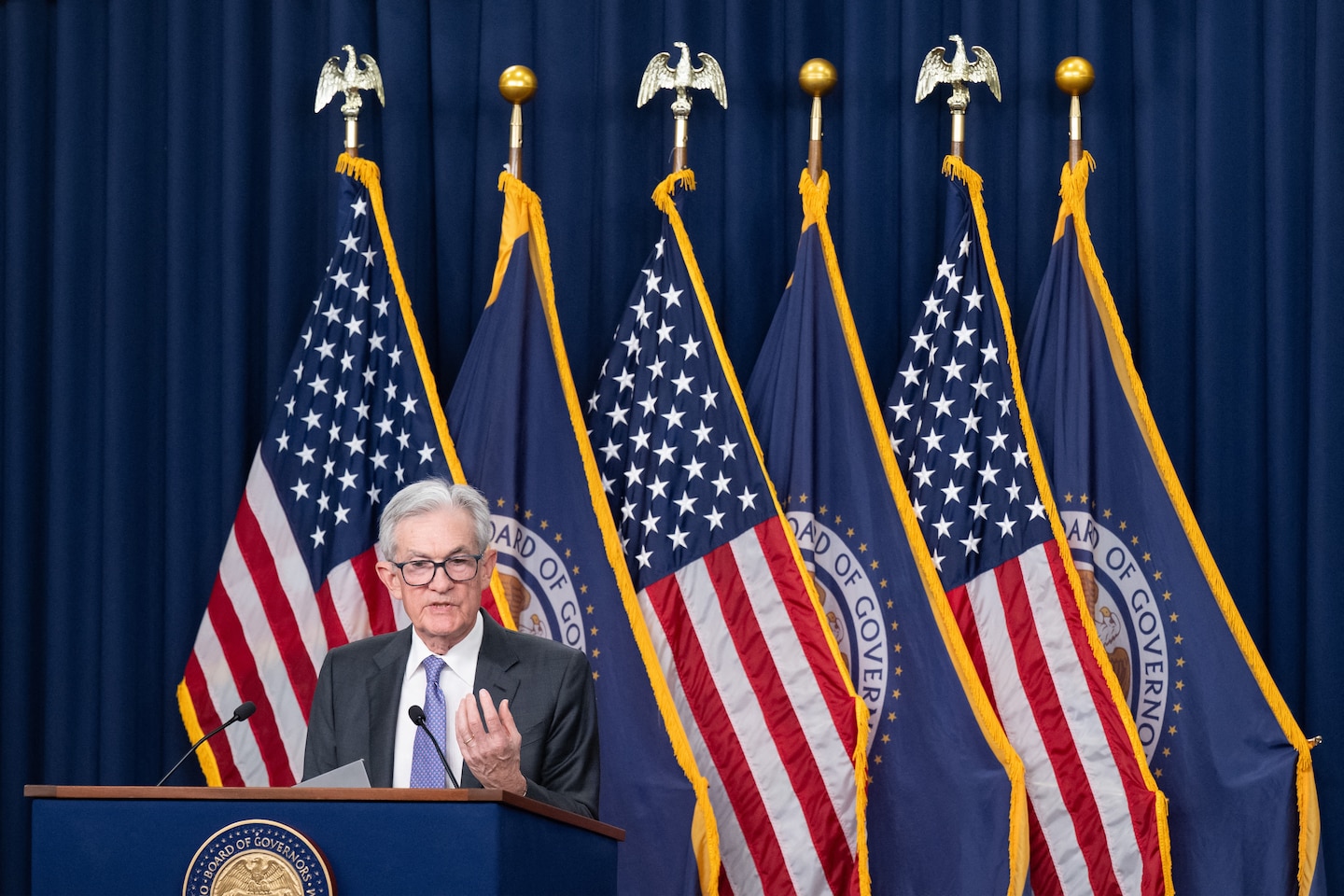
In a move that has sent ripples through the corridors of economic power, Federal Reserve Chair Jerome H. Powell has found himself at the center of an unusual and potentially unsettling campaign originating from Mar-a-Lago. Recent reports reveal housing finance regulator Bill Pulte met with former President Donald Trump, presenting a prop ominously resembling a “wanted poster” featuring Powell. This incident goes beyond mere political disagreement, delving into the very foundations of the Federal Reserve’s independence and the mechanisms of U.S. monetary policy.
The Unprecedented Pressure on the Fed
The image of a "wanted poster" is loaded with connotations of criminalization and public vilification, a stark departure from the typical channels of economic policy debate. While the full scope of this "inquiry" remains unclear, the direct engagement of a housing regulator with a former president, specifically targeting the head of the nation's central bank, signals a calculated effort to exert pressure. This is not the first time President Trump has voiced strong opinions regarding the Federal Reserve's actions, particularly its interest rate decisions, but this direct, visual tactic marks a new escalation.
Who is Bill Pulte and What's His Agenda?
Bill Pulte, identified as a housing finance regulator, brings a specific perspective to the table. The housing market is acutely sensitive to interest rates, with higher rates typically dampening demand and affordability. It is plausible that Pulte's concerns stem from the Federal Reserve's recent aggressive interest rate hikes aimed at combating inflation, which have undeniably impacted the housing sector. However, the choice to bypass conventional regulatory and political channels in favor of a direct appeal to a powerful political figure, amplified by a provocative prop, raises questions about motives and institutional norms.
The Cornerstone of Independence: Why It Matters
The Federal Reserve's independence is not a mere bureaucratic formality; it is a critical safeguard against political manipulation of monetary policy. A central bank free from immediate political pressures can make difficult, long-term economic decisions – such as raising interest rates to curb inflation – without fear of electoral repercussions. This independence is crucial for maintaining public and market confidence, ensuring stability, and preventing boom-bust cycles driven by short-term political expediency. Attacks on the Fed's autonomy, especially from high-profile political figures, can undermine this confidence, potentially leading to market volatility and economic uncertainty.
Past Precedents and Future Implications
Throughout his presidency, Donald Trump frequently criticized Chairman Powell, often calling for lower interest rates to stimulate economic growth, even when the Fed believed such moves were unwarranted. This history provides context for the current incident, suggesting a consistent desire to influence the Fed's decisions. The "wanted poster" incident, however, elevates these concerns. It implies not just disagreement, but a potential call for punitive action or removal, challenging the established tenure and authority of the Fed Chair.
Looking ahead, this episode could have profound implications. It sets a concerning precedent for future administrations, signaling that independent agencies might be vulnerable to highly personalized and aggressive political campaigns. For Jerome Powell and the current Federal Reserve, it intensifies scrutiny and pressure at a time when the central bank is navigating complex economic challenges, including persistent inflation and concerns about a potential recession. The ability of the Fed to maintain its credibility and execute its mandate impartially hinges on its perceived and actual independence.
NovaPress Analysis: A Test of Democratic Institutions
The Mar-a-Lago meeting and the "wanted poster" serve as a stark reminder of the ongoing tension between political ambitions and institutional integrity. As Editor-in-Chief of NovaPress, I view this not just as an economic story, but as a test of democratic institutions. The strength of our system relies on checks and balances, and the ability of critical bodies like the Federal Reserve to operate free from undue influence. The public, policymakers, and markets alike will be watching closely to see how this challenge to the Fed's autonomy unfolds, and what it means for the future of economic governance in the United States.