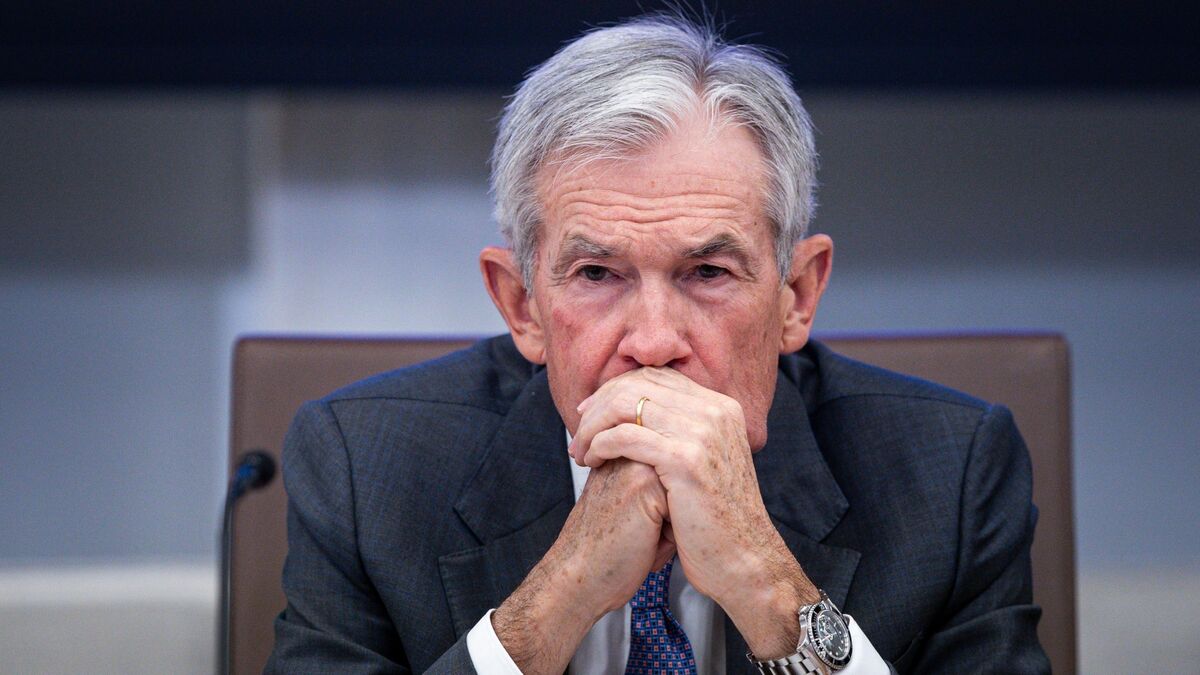
An Unprecedented Challenge to Federal Reserve Independence
In a dramatic escalation of tensions, Federal Reserve Chair Jerome Powell has leveled a grave accusation against the Department of Justice, alleging that President Donald Trump's administration initiated a grand jury investigation specifically to 'pressure and intimidate' the nation's central bank. This accusation marks a significant moment in American political and economic history, signaling an executive branch willing to potentially weaponize legal processes against an institution traditionally held sacrosanct for its independence. What makes this situation even more remarkable is the swift and rare condemnation from key Republican lawmakers, indicating a potential fracture in party loyalty when institutional integrity is perceived to be under threat.
The Federal Reserve: A Pillar of Independence
For decades, the Federal Reserve has operated with a carefully guarded independence from political interference, a cornerstone of its ability to manage monetary policy effectively and maintain economic stability. Its dual mandate of maximizing employment and ensuring price stability requires decisions free from short-term political pressures. This independence is not merely a custom but a critical safeguard against inflationary spirals or politically motivated credit allocations that could destabilize the economy. Presidents, regardless of party, have historically respected this firewall, understanding that politicizing the Fed could have catastrophic long-term consequences for national and global financial confidence.
The Allegation: DOJ's Grand Jury and the Shadow of Pressure
According to Powell's explosive account, the Department of Justice launched a grand jury probe targeting the Federal Reserve. While the specific nature of the investigation remains unclear from public statements, the timing and Powell's public characterization suggest a deliberate attempt to exert influence over the central bank's decisions. This move comes against a backdrop of President Trump's frequent and often vitriolic public criticisms of Powell and the Fed's monetary policy, particularly interest rate hikes, which Trump repeatedly blamed for hindering economic growth and undermining his administration's agenda. The alleged use of a grand jury, a powerful tool typically reserved for serious criminal investigations, raises profound questions about the appropriate boundaries between the executive branch and independent government institutions.
A Rare Republican Rebuke: Cracks in Party Loyalty?
Perhaps the most striking development in this unfolding saga is the sharp criticism from prominent Republican figures. Usually a unified front behind the President, key GOP lawmakers broke ranks to voice their disapproval of the alleged DOJ actions. This rare display of dissent underscores the perceived severity of the situation. For many Republicans, the independence of institutions like the Federal Reserve, the judiciary, and the intelligence agencies represents a fundamental tenet of good governance and a check on executive power. Their willingness to challenge the administration on this issue signals a deep concern that the politicization of the Justice Department or the intimidation of independent bodies crosses a line that even party loyalty cannot justify. It highlights a defense of institutional norms that transcends partisan politics, at least for some within the party.
Institutional Integrity and the Rule of Law
The implications of this alleged coercion extend far beyond monetary policy. If an executive branch can wield the power of a grand jury to intimidate independent agencies, it sets a dangerous precedent for the rule of law and the separation of powers. It raises fundamental questions about the weaponization of justice and the erosion of checks and balances designed to prevent such abuses. The integrity of federal institutions, from the Federal Reserve to regulatory bodies, relies on their ability to operate without fear of political reprisal. Any perceived breach of this principle undermines public trust and risks transforming critical governmental functions into instruments of partisan will.
Economic Repercussions and Future Implications
The potential economic fallout from this conflict is significant. Investor confidence, already sensitive to political uncertainty, could be further rattled by the perception of a politicized central bank. Markets thrive on predictability and the assurance that monetary policy decisions are based on economic data, not political whims. Furthermore, the ability of the Federal Reserve to effectively manage the economy during future crises could be severely hampered if its independence is compromised. Looking ahead, this episode forces a critical examination of the safeguards for institutional independence in the United States. It underscores the fragility of these norms and the constant vigilance required to uphold them, regardless of who occupies the Oval Office.
Conclusion: A Dangerous Precedent?
Jerome Powell's accusation against the Department of Justice, met with rare Republican backlash, represents a moment of profound institutional stress. It's a stark reminder of the delicate balance between executive power and the autonomy of critical governmental bodies. The outcome of this showdown will not only define the immediate future of the Federal Reserve but could also set a dangerous precedent for the integrity of American institutions for years to come. As the dust settles, the core question remains: Can the Federal Reserve, and by extension, other independent bodies, withstand such direct pressure from the executive branch, or will this mark a turning point towards a more politicized and less stable governance model?