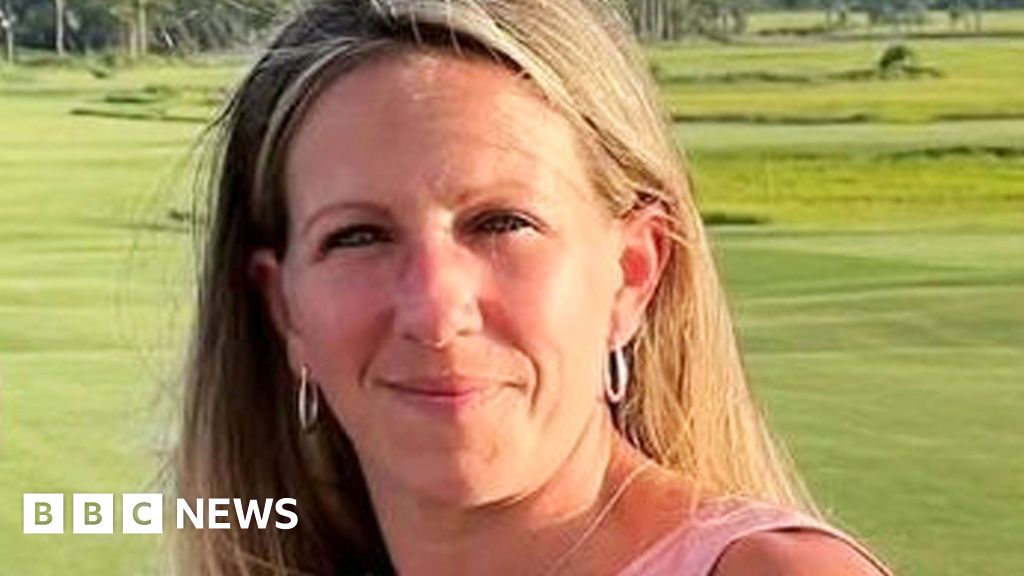
The lights went out for Kristy Hallowell in Greenwood Lake, New York, not for a fleeting moment, but for half of 2025. Her story, a stark testament to the escalating energy crisis gripping American households, is a chilling harbinger of a wider struggle. With electricity costs skyrocketing, millions of families are finding themselves teetering on the brink, forced to make impossible choices between keeping the lights on and putting food on the table. NovaPress investigates the silent crisis pushing Americans into unprecedented levels of debt and hardship.
A National Emergency: The Unseen Costs of Rising Energy
Kristy's ordeal began with a lost job and an energy bill that quickly became insurmountable. Her situation is far from isolated; it's a microcosm of a national emergency. Across the United States, utility bills have surged, fueled by a complex interplay of factors including global supply chain disruptions, geopolitical tensions impacting fuel prices, inadequate infrastructure investments, and the lingering effects of inflation. What was once a manageable household expense has transformed into a financial albatross, pushing many beyond their breaking point.
The Crushing Weight of Debt
For families like the Hallowells, the immediate consequence of soaring energy prices is a rapid descent into debt. Many are forced to borrow, use credit cards, or deplete meager savings to cover essential utilities. This isn't just about financial inconvenience; it's about a fundamental erosion of economic stability. The cycle is vicious: high energy bills lead to debt, which then incurs interest, making it even harder to escape. The ripple effect extends beyond utilities, impacting a household's ability to pay for rent, groceries, healthcare, and education.
Life in the Dark: A Return to Hardship
Beyond the numbers, there's the human cost. Imagine navigating daily life without electricity for six months. This isn't just an inconvenience; it's a profound disruption to modern existence. Children struggle with homework in the dark, food spoils without refrigeration, and medical devices become non-functional. The psychological toll—stress, anxiety, and feelings of hopelessness—is immense. For the elderly, the chronically ill, and single-parent households, these cutoffs pose significant health and safety risks, pushing vulnerable populations to the extreme margins of society.
Systemic Vulnerabilities and Future Implications
The current crisis exposes deep-seated systemic vulnerabilities within the American energy infrastructure and social safety net. While temporary aid programs exist, they are often insufficient or inaccessible, failing to address the scale and urgency of the problem. This reliance on a reactive rather than proactive approach perpetuates the crisis, turning individual struggles into a collective societal burden.
The Path Forward: Policy and Innovation
Addressing this multifaceted crisis requires a comprehensive strategy. Short-term relief measures, such as expanded energy assistance programs and utility moratoriums, are crucial to prevent immediate hardship. However, long-term solutions must focus on systemic change:
- Investing in Resilient Infrastructure: Modernizing the grid to withstand climate challenges and improve efficiency.
- Promoting Energy Efficiency: Incentivizing home weatherization, energy-efficient appliances, and smart home technologies for all income levels.
- Diversifying Energy Sources: Accelerating the transition to renewable energy to reduce reliance on volatile fossil fuel markets.
- Regulating Utility Companies: Ensuring fair pricing and preventing predatory practices that disproportionately affect vulnerable customers.
- Strengthening Social Safety Nets: Providing robust support for low-income families to mitigate the impact of economic shocks.
Conclusion: A Call for Collective Action
Kristy Hallowell's story is a powerful reminder that behind every economic statistic lies a human struggle. The soaring energy prices are not merely a headline; they are a direct threat to the well-being and stability of American families. As NovaPress, we urge policymakers, utility providers, and communities to recognize the gravity of this crisis and commit to equitable, sustainable solutions. The future of American households depends on our collective ability to ensure that access to basic necessities, like electricity, remains a right, not a luxury.