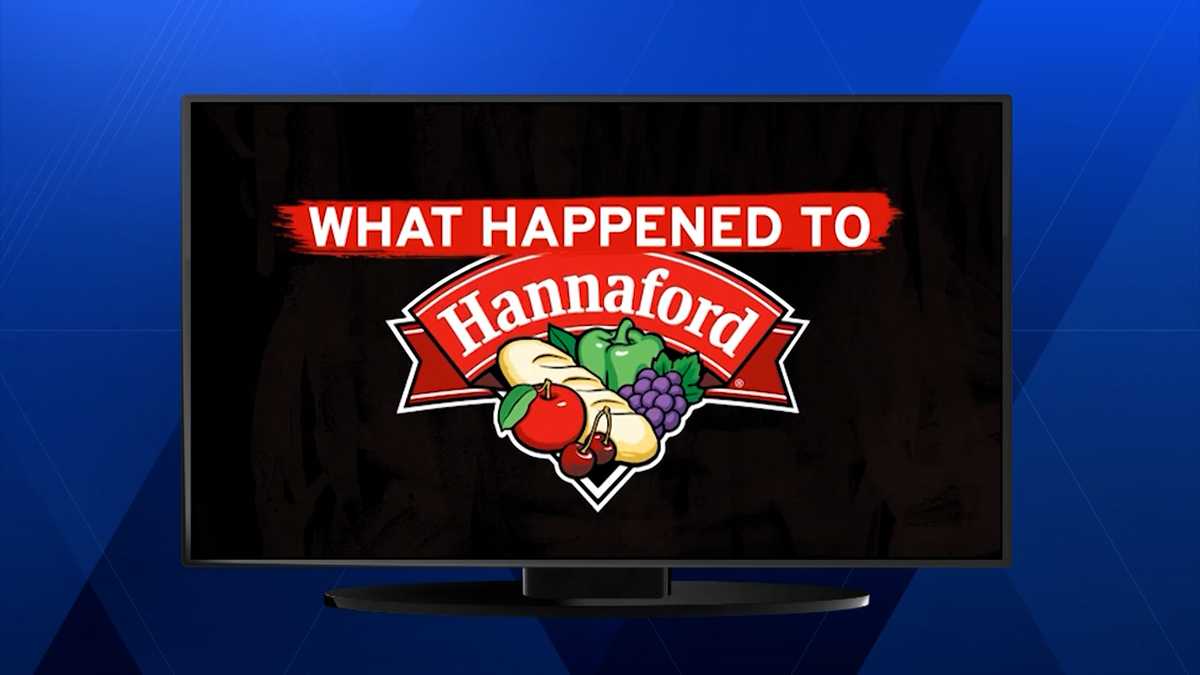
SCARBOROUGH, Maine – Over the recent holiday season, residents of Southern Maine encountered a striking and persistent campaign questioning the integrity of a beloved local institution: Hannaford Supermarkets. Billboard trucks rolled through towns, and ad spots saturated local media, all bearing the same provocative query: "What Happened to Hannaford?" This widespread, well-funded effort immediately sparked curiosity and concern, leading many to wonder about its origins and true motivations. NovaPress investigates the forces behind this significant public relations offensive, uncovering the national reach of local grievances.
The Unseen Hand: A National Nonprofit's Local Impact
What initially appeared to be a grassroots discontent quickly revealed itself to be a meticulously organized and substantially financed operation. Investigations by local media, including WMTW, have traced the funding back to a national nonprofit organization. This entity has reportedly poured at least $116,000 into anti-Hannaford advertising across Southern Maine alone. The sheer scale of this investment indicates a strategic, sustained effort rather than a spontaneous public outcry, raising questions about the nonprofit's agenda and its connection to the region.
The revelation that a national player is orchestrating a campaign against a regional grocery chain highlights a growing trend in public discourse: the use of sophisticated, well-resourced advocacy to influence local perceptions and corporate behavior. While the specific grievances articulated in the "What Happened to Hannaford?" campaign remain to be fully detailed by the nonprofit, the tactics employed—ubiquitous advertising and a catchy, critical slogan—are designed to erode consumer trust and pressure the company.
Behind the Headlines: Decoding the "Why"
The motivation behind such a significant financial commitment by a national nonprofit to target a specific grocery chain is multifaceted and often opaque. Typically, such campaigns are driven by several potential factors:
- Labor Disputes: Nonprofits often align with labor unions or worker advocacy groups to push for better wages, benefits, or working conditions. A public campaign can be a powerful tool to leverage public opinion against a company perceived as resistant to these demands.
- Environmental or Social Justice Concerns: Organizations focused on sustainability, ethical sourcing, or community impact might target corporations they believe are failing in these areas. Pressure campaigns aim to force policy changes or public commitments.
- Competitive Action (Indirect): While less common for a nonprofit, sometimes such campaigns can indirectly benefit competitors by damaging the target's brand. However, the primary driver is usually issue-based advocacy.
- Consumer Advocacy: Concerns about pricing, product quality, or store practices, when aggregated and amplified by a national group, can form the basis of a campaign.
Without direct disclosure from the nonprofit, the exact impetus remains subject to speculation. However, the professional execution and substantial budget suggest a deeply rooted concern that the organization believes warrants public attention and corporate response.
The Ripple Effect: Brand Reputation and Consumer Trust
For Hannaford, a company with deep roots and a generally positive reputation in New England, this campaign poses a significant challenge. Building consumer trust takes decades, but it can be eroded remarkably quickly by sustained negative messaging. The "What Happened to Hannaford?" slogan is particularly insidious because it implies a decline, a departure from past standards, without necessarily providing specific, easily verifiable accusations in the initial public-facing ads.
This strategy forces Hannaford into a defensive position, requiring them to respond to a vague but powerful insinuation. The impact on consumer perception, especially during peak shopping seasons, could be substantial, potentially affecting sales and long-term brand loyalty. Companies today must contend not only with direct competitors but also with well-funded advocacy groups capable of shaping public narrative.
Looking Ahead: The New Battlefield for Corporations
The anti-Hannaford campaign serves as a potent case study in the evolving landscape of corporate challenges. Businesses are no longer just evaluated on their financial performance or product quality; they are increasingly scrutinized on their social responsibility, environmental impact, and labor practices. Advocacy groups, empowered by sophisticated communication tools and significant financial backing, are becoming powerful arbiters of corporate conduct.
For companies like Hannaford, transparency, proactive communication, and genuine engagement with stakeholders are more critical than ever. The ability to understand and respond to the concerns that fuel such campaigns will dictate their success in maintaining public trust. For consumers, the challenge lies in discerning the motives and accuracy behind such campaigns, necessitating a critical approach to information consumed via ads and social media.
As the investigation into the national nonprofit's full agenda continues, the "What Happened to Hannaford?" campaign stands as a stark reminder that even well-established regional brands are not immune to well-orchestrated public challenges from unseen, national forces. The ultimate question for Maine residents and the wider business community is not just what happened to Hannaford, but what this means for the future of corporate accountability and public advocacy.