Chernobyl's Silent Alchemist: How a Radiation-Eating Fungus is Rewriting the Rules of Life
In the annals of scientific discovery, some finds transcend the ordinary, challenging our fundamental understanding of life itself. Deep within the abandoned, highly radioactive walls of Chernobyl's infamous Reactor No. 4, where the remnants of the world's worst nuclear disaster continue to poison the landscape, scientists have uncovered such a phenomenon: a humble, black fungus not merely surviving, but actively thriving by consuming radiation.
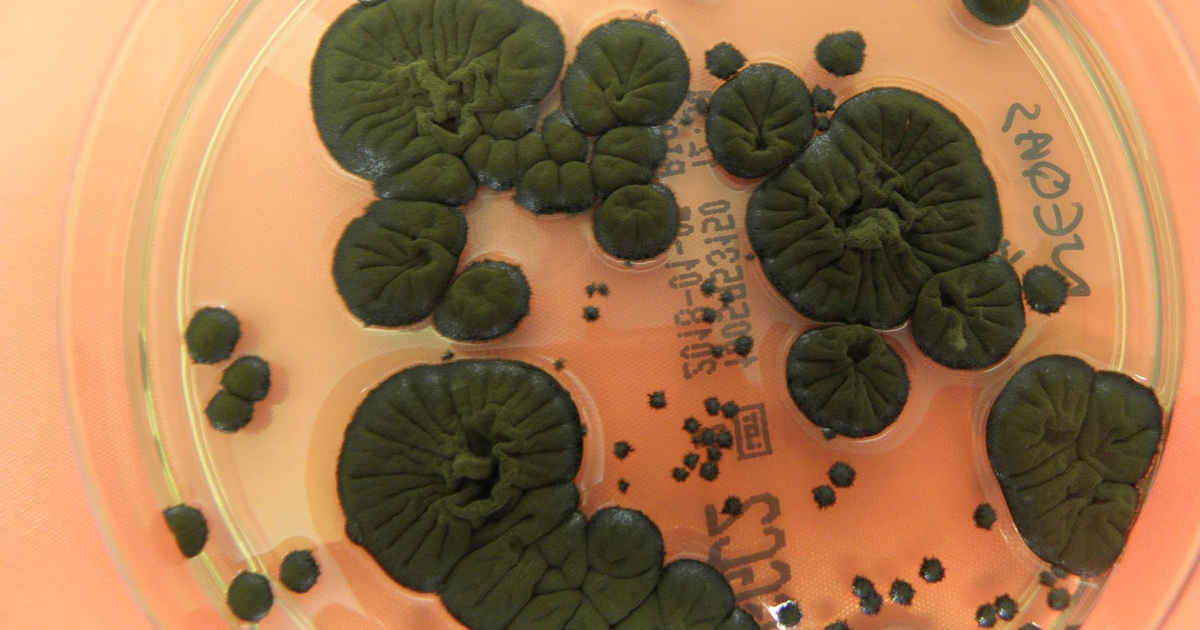
This isn't a macabre curiosity; it's a revolutionary biological mechanism that could reshape our future, from space travel to nuclear waste management. The organism, identified as Cladosporium sphaerospermum, a species of melanized fungus, has quietly established itself in an environment deadly to virtually all other life forms, turning nuclear fallout into its very own energy source.
The Unlikely Survivor: Radiosynthesis Explained
For decades, our understanding of energy conversion in biology has been dominated by photosynthesis – the process by which plants convert sunlight into chemical energy. Now, Chernobyl's fungi introduce us to a parallel, equally astonishing process: radiosynthesis. Just as chlorophyll allows plants to capture light, the melanin pigment found in these fungi appears to absorb gamma radiation and convert it into chemical energy for growth.
Researchers observed that these fungi not only grew towards radioactive sources but also proliferated more rapidly in their presence. The melanin within their cells acts like a natural radioprotector, shielding the fungal DNA from damage while simultaneously harnessing the very energy that would be lethal to other organisms. This extraordinary adaptation suggests an entirely new pathway for life to sustain itself in environments previously deemed uninhabitable.
A New Chapter in Extremophiles and Life's Resilience
The discovery adds a profound new chapter to the study of extremophiles – organisms that thrive in physically or geochemically extreme conditions. Chernobyl's fungi demonstrate life's unparalleled capacity for adaptation, pushing the boundaries of what we believed was possible. They force us to reconsider the potential for life on other planets, in deep-sea vents, or in other high-radiation environments thought barren.
The initial isolation of these fungi from the contaminated site was only the beginning. Laboratory studies have since confirmed their unique abilities, prompting extensive research into the biochemical pathways involved in radiosynthesis. Understanding this mechanism is paramount to unlocking its vast potential.
Beyond Chernobyl: Transformative Implications for Humanity
The implications of a radiation-eating fungus extend far beyond the exclusion zone, promising revolutionary advancements across multiple sectors:
- Space Travel: One of the greatest challenges for long-duration missions to Mars or beyond is shielding astronauts from cosmic radiation. A 'melanin shield' derived from these fungi could offer a lightweight, self-replicating, and highly effective protective layer for spacecraft and habitats, making interplanetary travel safer and more feasible.
- Nuclear Remediation: Imagine biological clean-up crews that literally consume radioactive waste. These fungi could be engineered to decontaminate nuclear sites, neutralize waste, or even aid in the safe dismantling of decommissioned nuclear reactors, offering an eco-friendly alternative to current costly and hazardous methods.
- Medical Advancements: The radioprotective qualities of melanin could be harnessed to develop novel treatments. This might include creating medications that protect healthy human cells during radiation therapy for cancer, or developing prophylactic agents for emergency responders in nuclear incidents.
- Fundamental Biology and Energy: The existence of radiosynthesis challenges our understanding of energy itself. It opens new avenues for research into alternative energy sources and broadens our definition of 'life' and its diverse metabolic strategies.
A Beacon of Hope in the Ruins
The black fungus of Chernobyl is more than just a scientific curiosity; it's a testament to life's enduring resilience and an unexpected beacon of hope emerging from one of humanity's greatest environmental tragedies. By turning destruction into sustenance, this microscopic marvel offers a tantalizing glimpse into a future where radiation, once a harbinger of death, could be harnessed for life-sustaining purposes. As NovaPress continues to monitor these groundbreaking developments, we remain excited by the prospect of this fungal alchemist rewriting the future of humanity and our place in the cosmos.