Unlocking Lifelong Vitality: The Critical Role of Strength Training for Women After Menopause
For many women, menopause signals a new chapter, often accompanied by well-known changes like hot flashes and mood shifts. Yet, beneath the surface, a more profound physiological transformation is underway – one that demands a proactive and powerful response. As medical experts increasingly emphasize, strength training isn't just beneficial after menopause; it's absolutely crucial for maintaining long-term health, independence, and quality of life.
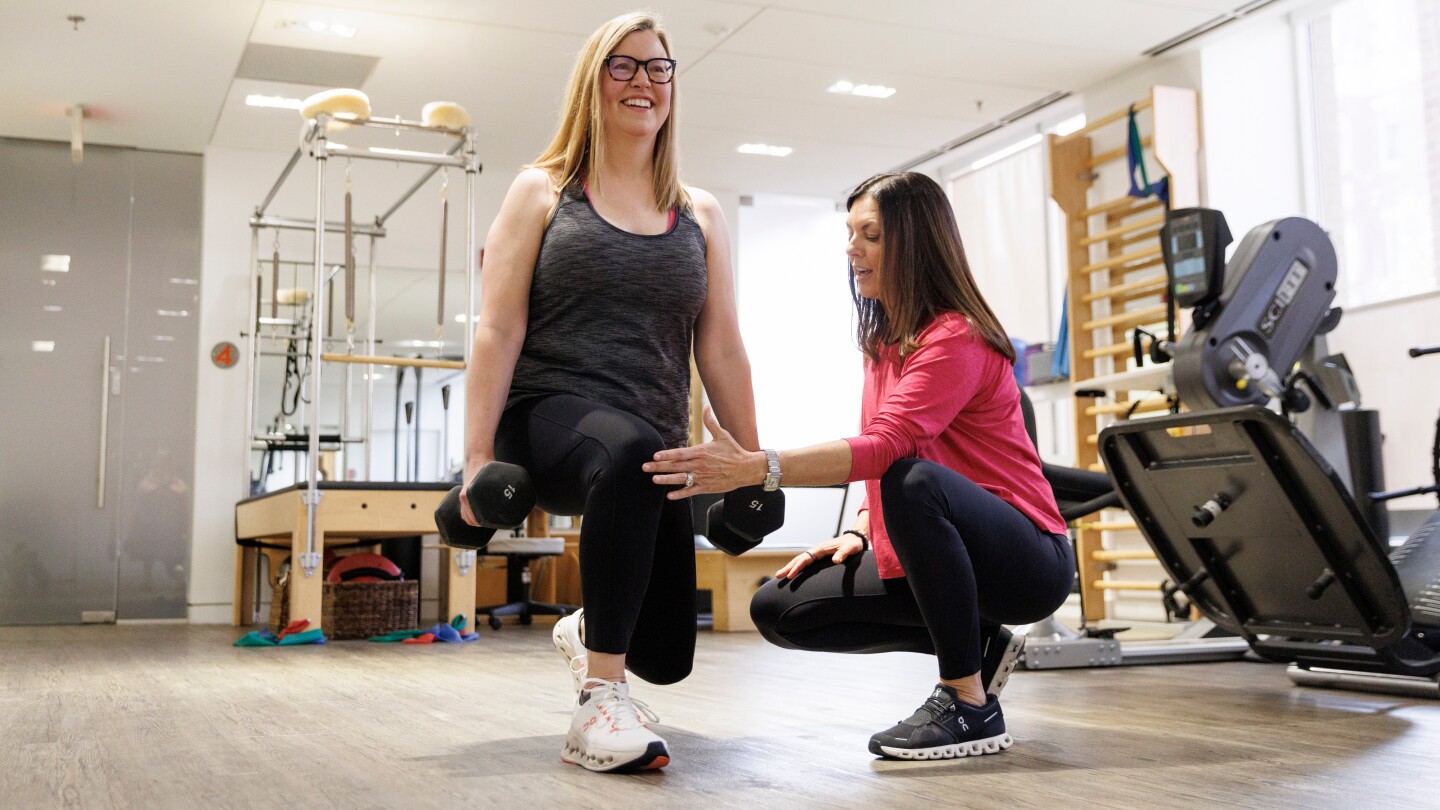
Take Sarah Baldassaro, for instance. Turning 50 became a pivotal moment for her, prompting a deep dive into her health and a strategic partnership with a fitness coach focused on strength training. Her story isn't unique; it reflects a growing awareness that the body's needs evolve dramatically in midlife, particularly as estrogen levels decline. Understanding this shift is the first step towards empowering women to build a robust foundation for their future.
The Silent Erosion: Estrogen Loss and Its Profound Impact
The onset of menopause marks a significant reduction in estrogen production, a hormone that plays a far more extensive role than just reproductive health. Estrogen is a vital guardian of bone density, stimulating osteoblasts (bone-building cells). With its decline, the delicate balance between bone formation and resorption shifts, accelerating the loss of bone mineral density. This accelerated reduction can rapidly escalate the risk of osteopenia and osteoporosis, conditions that render bones brittle and susceptible to fractures – a leading cause of disability and reduced independence in older women.
Beyond bones, estrogen also supports muscle mass and strength. Its dwindling presence contributes to sarcopenia, the gradual, age-related loss of muscle tissue. This isn't merely about losing definition; muscle loss directly impacts metabolic rate, making weight management more challenging, and significantly impairs functional strength, balance, and mobility. The combination of weakened bones and diminished muscles creates a perilous scenario, increasing the likelihood of falls and severe injuries.
Strength Training: More Than Just Muscles, A Holistic Health Strategy
Fortunately, the human body is remarkably adaptable, and strength training emerges as a powerful antidote to these age-related declines. It directly counters the effects of estrogen loss through multiple mechanisms:
- Bone Density Fortification: The mechanical stress placed on bones during strength exercises stimulates osteoblast activity, encouraging new bone formation. This weight-bearing stimulus is unparalleled in its ability to slow bone loss and even improve density.
- Muscle Mass & Strength Preservation: Lifting weights, using resistance bands, or engaging in bodyweight exercises directly builds and maintains muscle tissue. This boosts metabolism, improves glucose regulation, and enhances overall functional strength, making daily tasks easier and safer.
- Metabolic Health & Weight Management: Increased muscle mass means a higher resting metabolic rate, helping to burn more calories even at rest. This, coupled with the caloric expenditure during workouts, is critical for maintaining a healthy weight in an era when metabolic slowdown is common after menopause.
- Enhanced Balance and Coordination: Stronger muscles and improved proprioception (the body's sense of position and movement) significantly reduce the risk of falls, a major concern for aging women.
- Mental Well-being & Cognitive Benefits: Beyond the physical, strength training is a powerful mood elevator, reducing symptoms of anxiety and depression. Emerging research also suggests links between physical activity, particularly resistance training, and improved cognitive function.
Crafting Your Powerhouse Routine: Principles of Effective Training
Embarking on a strength training journey after menopause doesn't require extreme measures, but it does demand consistency and smart planning. Key principles include:
- Progressive Overload: To continue making gains, muscles and bones need to be continually challenged. This means gradually increasing the weight, repetitions, sets, or decreasing rest times over time.
- Proper Form: More important than heavy weights is correct technique. Poor form can lead to injury and negate benefits. Seeking guidance from certified trainers, as Sarah Baldassaro did, is invaluable.
- Consistency: Regularity is paramount. Aim for 2-3 full-body strength training sessions per week, allowing adequate rest for muscle recovery.
- Variety: Incorporate a mix of exercises targeting all major muscle groups (e.g., squats, lunges, push-ups, rows, overhead presses).
- Listen to Your Body: Acknowledge the body's need for recovery and modify workouts as needed, especially when starting out or dealing with fatigue.
The Long Game: Future Implications for Longevity and Quality of Life
The benefits of strength training in post-menopausal life extend far beyond the gym. By proactively investing in bone and muscle health, women are not just mitigating risks; they are actively building a reserve of vitality that will profoundly impact their later years. This translates into greater independence, the ability to engage in hobbies and travel, reduced reliance on assistive devices, and a lower burden of chronic disease.
In essence, strength training becomes an insurance policy for a vibrant, active, and fulfilling future. It's an empowering act of self-care, a declaration that aging doesn't have to mean decline, but rather a powerful transition into a new phase of strength and well-being.
As women like Sarah Baldassaro demonstrate, taking stock of health at pivotal moments and embracing effective strategies like strength training is not just a recommendation – it's an essential blueprint for unlocking lifelong vitality.