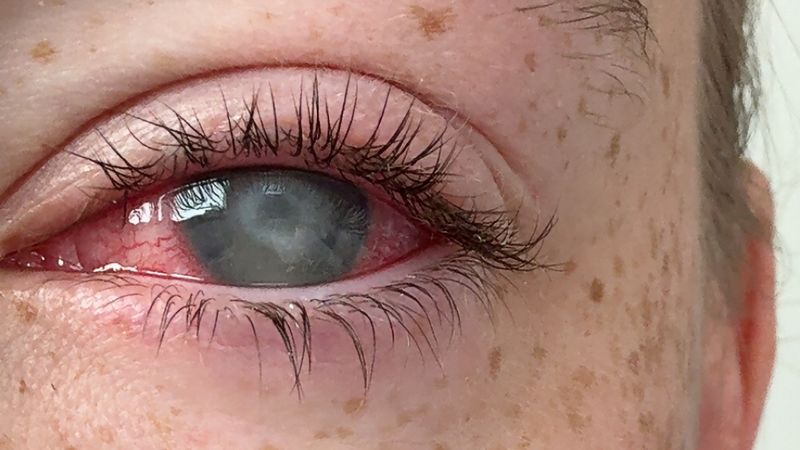
Beyond Dry Eyes: The Blinding Reality of Acanthamoeba Keratitis for Contact Lens Wearers
For millions, contact lenses offer freedom from glasses, a clear view of the world unencumbered. Yet, beneath the convenience lies a rare but potentially devastating risk: Acanthamoeba keratitis (AK). This parasitic eye infection, often initially mistaken for simpler irritations, can lead to excruciating pain, permanent vision loss, and even blindness. While uncommon, its prevalence among contact lens wearers demands a deeper look into its causes, symptoms, and, crucially, its prevention.
The Insidious Invader: What is Acanthamoeba Keratitis?
Acanthamoeba keratitis is caused by a free-living amoeba, Acanthamoeba, commonly found in natural water sources like lakes, oceans, tap water, hot tubs, and even soil. These microscopic organisms are typically harmless to humans. However, when they infect the cornea – the clear, outer layer of the eye – they can cause a severe and painful infection. The amoeba can burrow into the corneal tissue, leading to inflammation, ulceration, and, if left untreated, significant damage to the eye's structure.
Unlike bacterial or viral infections, AK is notoriously difficult to diagnose and treat, primarily because the amoeba's life cycle includes a resilient cyst stage that is resistant to many common antimicrobial agents. This resilience often leads to prolonged treatment durations, significant discomfort, and a higher risk of adverse outcomes.
The Unsettling Connection: Contact Lenses and Risk Factors
While anyone can theoretically contract AK, contact lens wearers constitute the overwhelming majority of cases. The mechanisms linking lens use to infection are multi-faceted and largely preventable:
- Water Exposure: The most significant risk factor is exposing contact lenses to water sources. Rinsing lenses with tap water, swimming, showering, or using hot tubs while wearing lenses introduces the amoeba directly to the eye and the lens surface, where it can easily adhere.
- Improper Lens Hygiene: Using homemade saline solutions, extending the use of disposable lenses beyond their recommended period, or failing to clean and disinfect lens cases properly creates a breeding ground for microorganisms, including Acanthamoeba.
- Overnight Wear: Sleeping in contact lenses, even those approved for extended wear, significantly increases the risk of eye infections, including AK, by reducing oxygen flow to the cornea and allowing microbes more time to proliferate.
- Contaminated Solutions: While rare, using expired or non-sterile contact lens solutions can also pose a risk.
The surface of a contact lens provides a perfect environment for the amoeba to adhere and colonize, acting as a direct conduit to the cornea, particularly if the corneal surface is already compromised by micro-abrasions from lens insertion or removal.
Symptoms and the Peril of Misdiagnosis
The initial symptoms of AK can be insidious and easily confused with other, more common eye conditions, leading to dangerous delays in diagnosis. Patients often report:
- Severe eye pain (often disproportionate to the visible signs)
- Redness and inflammation
- Blurred vision
- Sensitivity to light (photophobia)
- A sensation of something in the eye
- Excessive tearing
The classic 'ring infiltrate' in the cornea, a definitive sign of AK, often appears in later stages, making early diagnosis challenging. Medical professionals must maintain a high index of suspicion, especially in contact lens wearers presenting with persistent eye pain and inflammation that does not respond to conventional antibiotic treatments.
Treatment Challenges and Future Implications
Treating AK is arduous and prolonged, typically involving a rigorous regimen of antiseptic eye drops for months, sometimes even a year or more. The treatment aims to kill both the active amoebic trophozoites and the resistant cysts. Despite aggressive treatment, the damage to the cornea can be permanent, necessitating corneal transplantation in severe cases, which itself carries risks and a lengthy recovery period. Many patients endure significant vision impairment or complete blindness in the affected eye.
The profound impact of AK extends beyond individual suffering. It highlights a critical public health need for increased awareness among both contact lens wearers and healthcare providers. As contact lens use continues to grow globally, so does the potential pool of individuals at risk. The economic burden of treatment, including medication, specialized care, and potential surgeries, is substantial, adding another layer of societal concern.
Vigilance is Vision: Essential Prevention Strategies
Preventing Acanthamoeba keratitis is largely a matter of strict adherence to basic contact lens hygiene. Eye care professionals consistently emphasize the following guidelines:
- Wash and Dry Hands: Always wash hands thoroughly with soap and water and dry them completely with a clean, lint-free towel before handling contact lenses.
- Use Sterile Solution Only: Never use tap water, distilled water, homemade saline, or saliva to rinse or store contact lenses. Always use fresh, sterile contact lens solution as recommended by your eye care professional.
- No Water Contact: Remove contact lenses before swimming, showering, or using a hot tub.
- Clean and Replace Cases: Clean your contact lens case with fresh solution, not water, and let it air dry upside down with the caps off after each use. Replace your lens case at least every three months.
- Follow Wearing Schedule: Adhere strictly to the recommended wearing schedule for your lenses. Never wear daily disposables for more than one day, and do not sleep in lenses unless specifically approved by your eye doctor.
- Regular Eye Exams: Schedule regular check-ups with your eye care professional to ensure your lenses are still suitable for your eyes and to address any concerns promptly.
The freedom offered by contact lenses is a modern marvel, but it comes with a responsibility. Understanding the threat of Acanthamoeba keratitis and rigorously practicing preventative measures are not mere recommendations; they are critical safeguards against a blinding reality. For contact lens wearers, vigilance is not just about clear vision – it's about preserving it.