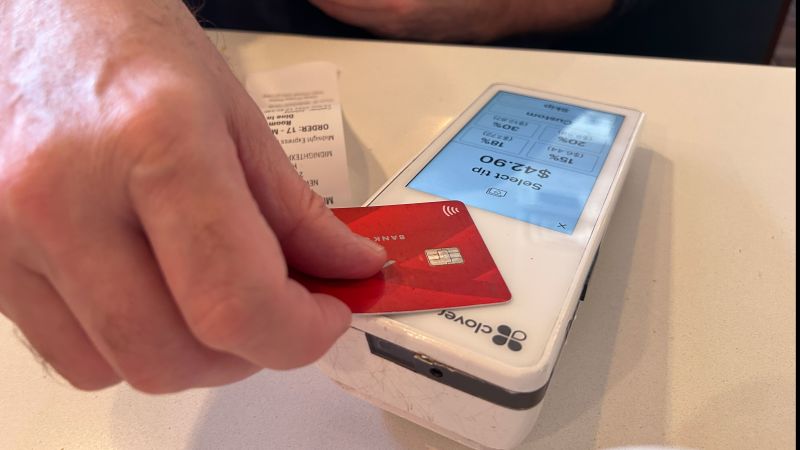
Trump's 10% Credit Card Cap: A Populist Ploy or Economic Panacea?
In a move poised to ignite fierce debate across political and economic spectrums, former President Donald Trump recently proposed a one-year, 10% cap on credit card interest rates. Voicing his concerns via a Truth Social post, Trump asserted that the American public is being "ripped off" by exorbitant rates, positioning his suggestion as a direct intervention to alleviate consumer financial strain. This bold declaration taps into a deep vein of populist sentiment, but its practical implications and potential ripple effects warrant a rigorous examination.
The Current Landscape: A Burden on Borrowers
Trump's proposal comes at a time when American households are grappling with stubbornly high inflation and a credit card debt burden that has swelled to unprecedented levels, surpassing $1 trillion. Average credit card Annual Percentage Rates (APRs) have hovered near historical highs, often exceeding 20% for many consumers, particularly those with less-than-perfect credit scores. For millions, the high cost of carrying a balance effectively traps them in a cycle of debt, with a significant portion of their monthly payments going towards interest rather than principal.
Against this backdrop, a 10% cap would represent a drastic reduction for most cardholders. It’s an appeal that resonates powerfully with a electorate feeling the pinch, positioning Trump as a champion for the everyday consumer against what he characterizes as predatory financial institutions. The rhetoric echoes past populist campaigns that sought to regulate industries perceived as exploiting the public.
Economic Analysis: Benefits and Blowback
Potential Benefits for Consumers:
- Immediate Relief: Millions of Americans carrying credit card balances would see their interest payments drastically reduced, freeing up disposable income.
- Debt Reduction: Lower interest costs would allow consumers to pay down principal faster, potentially shortening debt repayment periods.
- Stimulus Effect: Increased disposable income could theoretically boost consumer spending, providing a minor economic stimulus.
Significant Challenges and Unintended Consequences:
- Impact on Lenders: A 10% cap would severely squeeze the profit margins of credit card issuers. Faced with significantly reduced revenue from interest, banks would likely react by tightening lending standards.
- Reduced Access to Credit: Lenders would become far more selective, potentially cutting off access to credit for riskier borrowers, including those with lower credit scores, younger individuals, or those with limited credit history. This could disproportionately affect the very segment of the population Trump aims to help.
- Lower Credit Limits: For those who still qualify, credit limits might be substantially reduced, limiting their financial flexibility in emergencies.
- Fees and Alternative Products: Banks might seek to recoup lost interest revenue through higher annual fees, transaction fees, or by pushing consumers towards less regulated, higher-cost alternative lending products (e.g., payday loans) if traditional credit becomes inaccessible.
- Market Distortion: Direct price controls, especially across such a diverse and dynamic market, can lead to inefficiencies and unintended outcomes, making it harder for the market to naturally adjust to supply and demand for credit.
- Administrative Complexity: Implementing and enforcing such a cap, especially for a temporary one-year period, would present significant regulatory and logistical challenges for both government agencies and financial institutions.
Historical Precedent and Regulatory Context
While direct interest rate caps are rare at the federal level in the U.S. for general credit cards, there are precedents for regulating specific lending products or for certain consumer groups. The Military Lending Act, for instance, caps interest rates at 36% for service members on certain loans. Historically, states have had usury laws, but these often varied widely and have been largely preempted for national banks operating interstate.
The debate also touches on the broader philosophical divide regarding government intervention in free markets. Proponents argue for consumer protection and preventing exploitation, while opponents emphasize the importance of market mechanisms to efficiently allocate capital and avoid creating a black market for credit.
The Political Play and Future Implications
Politically, Trump's proposal is a potent move. It's easily digestible, directly addresses a pain point for millions, and frames financial institutions as antagonists. This could resonate strongly with independent and working-class voters who feel neglected by the current economic system. It also forces other political figures to address the issue, potentially shaping the economic platform for the upcoming election cycles.
If such a cap were to be seriously considered or implemented, it would send shockwaves through the financial sector. Banks would need to fundamentally reassess their credit card portfolios, potentially leading to a widespread contraction of available credit. For consumers, the immediate relief would be tangible, but the longer-term consequences of reduced access to credit and potential shifts to less regulated alternatives could create a different set of challenges.
Conclusion: A Complex Equation
Donald Trump's call for a 10% credit card interest rate cap is a classic populist move, addressing a real hardship faced by many Americans. While the immediate allure of significantly lower interest rates is undeniable, the economic complexities and potential unintended consequences cannot be overstated. From squeezing lenders and restricting credit access to potentially driving borrowers towards riskier alternatives, the proposal presents a complex equation with no easy answers.
As this debate unfolds, it will test the balance between consumer protection and market freedom, prompting a critical examination of how best to alleviate the burden of debt without inadvertently creating greater financial instability for those most in need.