Out of Stock, Out of Time: The Unraveling of Saks Global
By The NovaPress Editorial Team
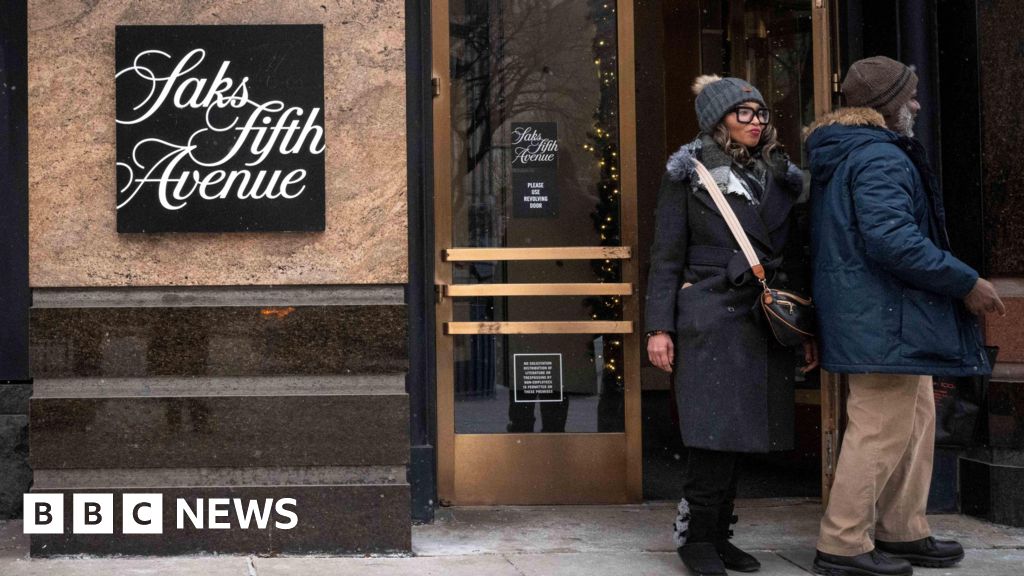
The glittering façade of luxury retail is showing significant cracks as Saks Global, the parent company behind iconic department stores Saks Fifth Avenue and Neiman Marcus, teeters on the brink of bankruptcy. The imminent filing for Chapter 11 protection marks a somber turning point for two bastions of high-end shopping, raising critical questions about their future and sending ripples across the entire luxury market.
Once symbols of aspirational consumption, Saks Fifth Avenue and Neiman Marcus have long anchored the most prestigious shopping districts globally. Shoppers, for decades, have flocked to their opulent interiors, seeking exclusive brands and unparalleled service. However, recent reports paint a picture of operational distress, epitomized by the ominous phrase: "out of stock."
The Crumbling Foundation: What Went Wrong?
The path to potential bankruptcy is rarely singular, and Saks Global's predicament appears to be a confluence of internal missteps and broader industry shifts. While the exact details of their financial woes will emerge through bankruptcy proceedings, several key factors likely contributed to their decline:
1. Inventory Mismanagement and Supply Chain Woes:
The reported "out of stock" issues are particularly damning for a luxury retailer. In a sector where exclusivity and immediate gratification are paramount, empty shelves or unavailable sizes are not just minor inconveniences; they are a direct affront to the luxury experience. This suggests deep-seated problems in inventory forecasting, supplier relationships, or logistical execution. Such failures can lead to lost sales, damaged brand reputation, and a frustrated customer base that quickly turns to competitors.
2. The Digital Divide:
While both Saks and Neiman Marcus have invested in their online presence, their digital transformation may not have kept pace with agile e-commerce pure-plays or even direct-to-consumer luxury brands. The pandemic accelerated the shift to online shopping, making a seamless, personalized, and efficient digital experience non-negotiable. Traditional department stores, burdened by extensive physical footprints and legacy systems, have often struggled to pivot effectively, leading to a fragmented customer journey between online and offline channels.
3. Evolving Consumer Demographics and Preferences:
The definition of luxury is changing. Younger, affluent consumers often prioritize sustainability, unique experiences, and direct relationships with brands over traditional department store offerings. The allure of established names alone is no longer enough; brands must resonate with modern values and offer authentic engagement. Saks and Neiman Marcus, while iconic, may have struggled to connect with this new generation of luxury buyers, leading to a shrinking core demographic.
4. Intense Competition and Market Saturation:
The luxury retail landscape is fiercely competitive. From high-end boutiques and designer flagships to thriving online platforms like Farfetch and Net-a-Porter, consumers have an unprecedented array of choices. Department stores, acting as intermediaries, face pressure from all sides, struggling to justify their margins and value proposition when brands can reach consumers directly.
5. Macroeconomic Headwinds and Debt Load:
While luxury is often considered resilient, it is not immune to economic downturns. Inflationary pressures and global uncertainties can temper even the most affluent consumers' spending habits. Furthermore, many traditional retailers, including Saks Global, have carried substantial debt loads, making them vulnerable to rising interest rates and making it difficult to invest adequately in necessary modernizations.
Future Implications: A Bellwether for Luxury?
The potential bankruptcy of Saks Global is more than just a corporate failure; it's a significant indicator of ongoing seismic shifts within the broader retail industry. Its implications are far-reaching:
The Fate of Iconic Brands:
The immediate question revolves around the future of Saks Fifth Avenue and Neiman Marcus. Bankruptcy protection could allow for restructuring, debt renegotiation, and potentially a leaner, more focused operation. However, it could also mean store closures, significant layoffs, and a divestment of assets. The luxury brands that rely on these retailers for distribution will also feel the impact, forcing them to re-evaluate their sales channels.
Lessons for the Industry:
Other luxury department stores and multi-brand retailers will be watching closely. The downfall of Saks Global serves as a stark reminder that heritage alone is not enough. Continuous innovation in customer experience, robust supply chain management, and a coherent omnichannel strategy are crucial for survival. Retailers must anticipate trends, embrace technology, and understand the evolving psyche of the luxury consumer.
A Redefined Luxury Landscape:
This event could accelerate the ongoing transformation of luxury retail. We may see a further shift towards direct-to-consumer models, experiential retail, and highly personalized online services. The physical store, rather than being a transactional hub, may evolve into a brand showcase, an event space, or a service center, necessitating a complete re-evaluation of retail real estate and store design.
Conclusion: The End of an Era, or a New Beginning?
The anticipated bankruptcy of Saks Global is undeniably a painful moment for the retail world. It signals the end of an era for a certain type of luxury retail experience. However, it also presents an opportunity for reinvention. For Saks and Neiman Marcus, the path forward will be challenging, demanding radical operational overhaul and a renewed vision. For the luxury industry at large, it's a potent wake-up call, emphasizing that even the most venerable institutions must adapt or risk becoming "out of stock" themselves – not just of products, but of relevance.