Artemis II: A New Dawn for Lunar Exploration After 50 Years
Fifty years. That's how long it's been since humanity last sent a crewed mission to the Moon. The iconic Apollo program ended in 1972, leaving behind an indelible mark on history and a longing for further lunar exploration. Now, that wait is nearing its end. NASA's Artemis II mission, poised for a potential launch in February, isn't just a mission; it's a profound statement of intent, a bridge between a glorious past and an ambitious future, signaling a new era of human spaceflight.
The Mission: A Crucial Dress Rehearsal for Humanity's Return
Artemis II is not a lunar landing mission, but a vital orbital test flight designed to certify critical systems and procedures before humans attempt to set foot on the Moon again. For approximately 10 days, the Orion spacecraft will carry its four-person crew around the Moon and back, pushing the boundaries of human spaceflight further than any previous crewed mission has since Apollo. This deep-space test flight will evaluate Orion’s life support systems, communications, navigation, and thermal control in the challenging environment beyond Earth orbit, confirming its readiness for the future Artemis III landing, which aims to place the first woman and person of color on the lunar surface.
Meet the Trailblazing Crew of Artemis II
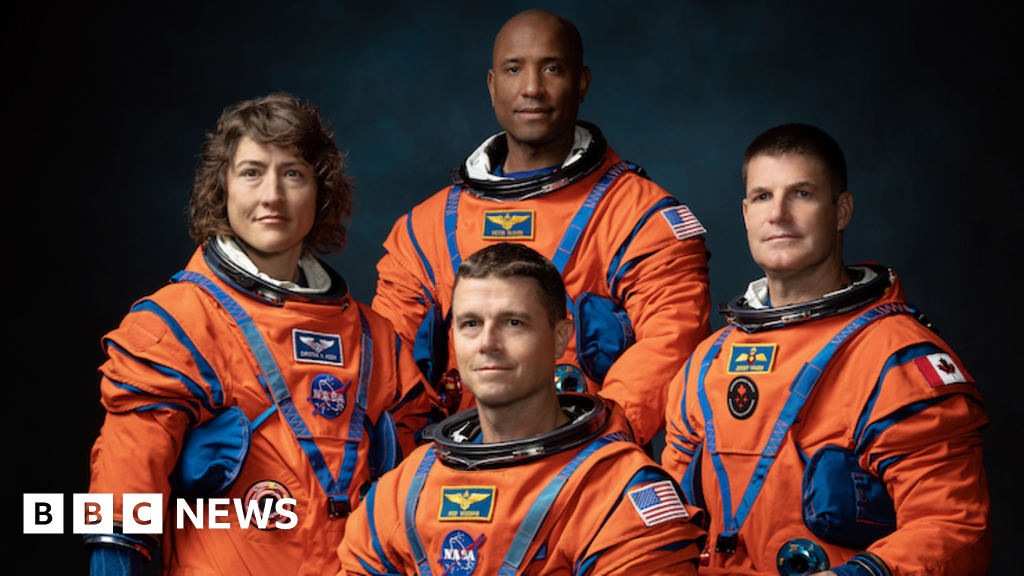
The weight of history rests on the shoulders of four remarkable individuals, a diverse crew representing the pinnacle of international collaboration and space exploration:
- Reid Wiseman (Commander): A seasoned NASA astronaut and former Navy fighter pilot, Wiseman previously spent 165 days aboard the International Space Station. His leadership will be paramount in guiding this historic mission.
- Victor Glover (Pilot): A Navy aviator and another ISS veteran, Glover will make history as the first African American astronaut to participate in a lunar mission. His expertise in spacecraft systems and operations will be crucial.
- Christina Koch (Mission Specialist): Known for holding the record for the longest single spaceflight by a woman (328 days), Koch brings unparalleled experience in long-duration missions and a deep understanding of human physiology in space. She will be the first woman to go around the Moon.
- Jeremy Hansen (Mission Specialist): A Canadian Space Agency (CSA) astronaut, Hansen will become the first Canadian to travel to the Moon. A former fighter pilot, his inclusion underscores the international partnership driving the Artemis program.
This crew exemplifies the spirit of global cooperation and inclusivity that defines the new era of lunar exploration, breaking barriers and inspiring a new generation of explorers.
From Apollo's Footprints to Artemis's Gateway: A Vision for Sustainability
The Artemis program differs significantly from its Apollo predecessor. While Apollo aimed for flags and footprints, Artemis envisions a sustainable presence on and around the Moon, leveraging commercial partnerships and international collaboration. The ultimate goal is not just to visit, but to establish a long-term human presence, building the infrastructure necessary for future deep-space missions, including the monumental journey to Mars. This mission will rigorously test the resilience of both humans and hardware against deep-space radiation, a critical step for longer-duration missions and the eventual establishment of lunar bases.
The Lunar Frontier: A Stepping Stone to Mars
Artemis II directly paves the way for Artemis III, which will see the first woman and the first person of color land on the Moon. Beyond that, the program envisions the construction of the Lunar Gateway – a small space station orbiting the Moon – and permanent habitats on the lunar surface. These facilities will serve as vital outposts for scientific research, resource utilization (especially water ice at the lunar poles), and as a proving ground for technologies and procedures needed for a human mission to Mars. The Moon is not merely a destination; it is the proving ground, the cosmic practice field, for humanity's ultimate interplanetary ambitions.
Challenges and the Road Ahead
While anticipation is high, space exploration remains inherently risky. Technical challenges, budget constraints, and the harsh realities of the space environment continually test the limits of engineering and human endurance. The February launch window is ambitious, and delays are common in complex space missions, underscoring the incredible complexities involved. However, the sheer determination and ingenuity driving the Artemis program signal a renewed commitment to pushing the boundaries of what is possible, uniting nations in a shared quest for knowledge and discovery.
Conclusion: A New Era Begins
As the world awaits the launch of Artemis II, the excitement is palpable. Fifty years after Apollo, humanity is once again looking skyward, not just at the Moon, but through it, towards a future where the solar system is within our grasp. This mission is more than a test flight; it's a beacon of hope, a testament to collective human endeavor, and the opening chapter of a new, bold era of exploration that will inspire generations to come, proving that our drive to explore is as limitless as the cosmos itself.