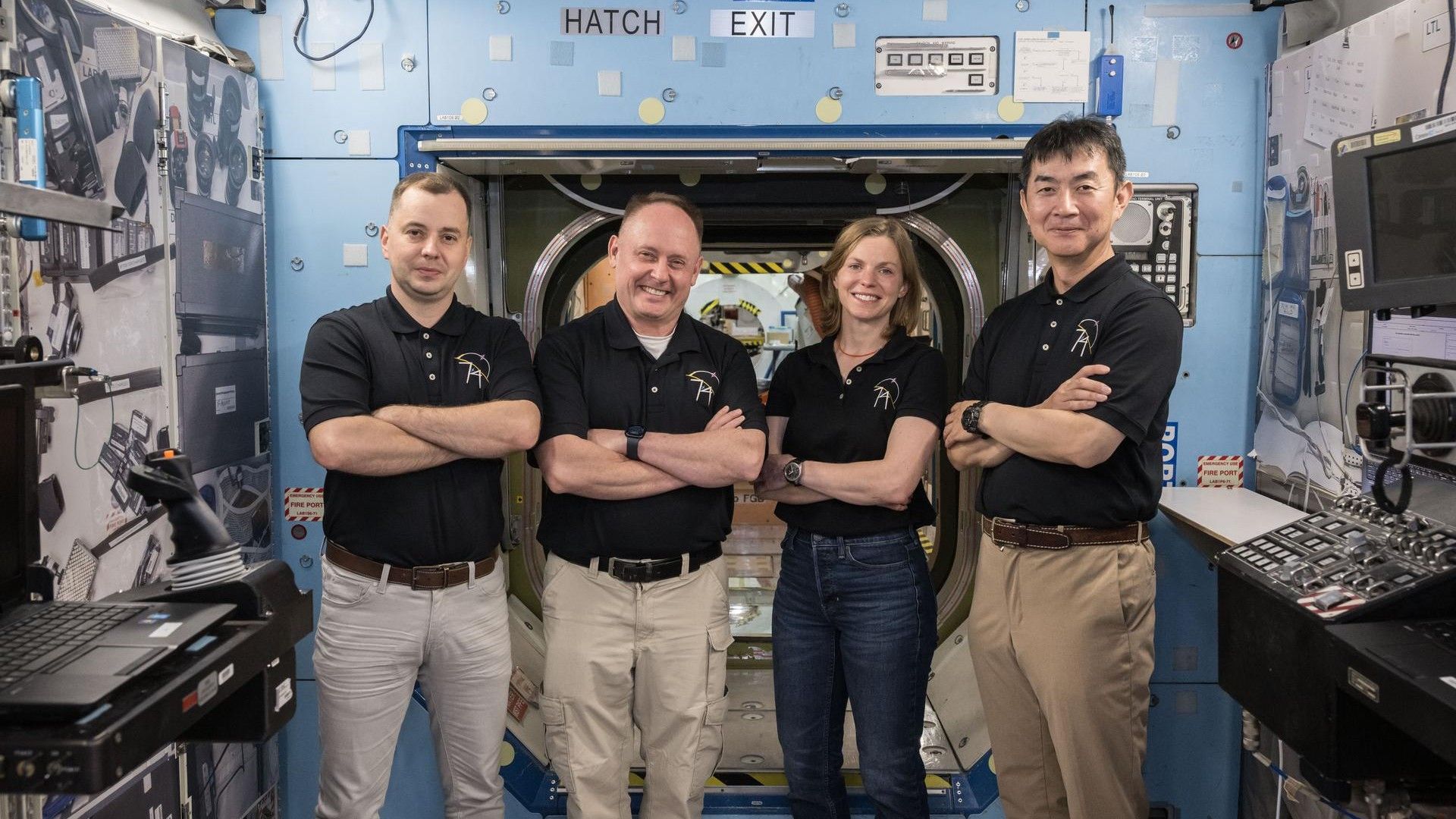
In a rare and concerning development that has sent ripples through the international space community, NASA has announced the early return of its Crew-11 from the International Space Station (ISS). The decision, characterized by an urgent tone from agency officials, follows a medical problem experienced by an unidentified astronaut aboard the orbital outpost on Wednesday, January 7. This unprecedented step not only signifies an immediate priority on astronaut safety but also prompts a critical re-evaluation of medical preparedness for long-duration space missions.
A Sudden Shift in Orbital Operations
The incident led to the immediate postponement of a scheduled spacewalk, underscoring the gravity of the situation. While details regarding the astronaut's specific ailment remain undisclosed, NASA’s swift action reflects its unwavering commitment to the health and well-being of its crew members. The ISS, a marvel of international cooperation orbiting 250 miles above Earth, serves as a crucial laboratory for scientific research and a testament to human ingenuity. However, it is also an isolated environment where medical emergencies present unique and formidable challenges.
The Perils of Space: A Medical Conundrum
Life in microgravity takes a profound toll on the human body, from bone density loss and muscle atrophy to cardiovascular changes and radiation exposure. Astronauts undergo rigorous health screenings and training, yet the vast array of potential medical issues, compounded by the limitations of diagnosing and treating illnesses in space, always looms. This recent incident serves as a stark reminder of these inherent risks. Unlike terrestrial situations, a simple appendicitis or an unexpected allergic reaction can escalate into a life-threatening crisis without immediate access to advanced medical facilities and surgical capabilities.
Implications for Mission Planning and Future Endeavors
The early return of Crew-11 disrupts months of meticulous planning, scientific experiments, and scheduled maintenance. Each crew rotation is intricately linked to ongoing research, and an unscheduled departure can have cascading effects on the mission's objectives and the continuity of scientific data collection. More significantly, this event casts a long shadow over humanity’s ambitious plans for deeper space exploration. Missions to the Moon and Mars, which will involve journeys lasting months or even years, necessitate self-sufficient medical systems and robust protocols for handling unforeseen health crises far from Earth's immediate reach.
NASA and its international partners are continuously working to advance telemedicine capabilities, develop compact medical devices, and train astronauts in advanced first aid and emergency procedures. However, the complexity of diagnosing and treating serious conditions in an environment devoid of gravity and with limited resources remains a significant hurdle. This incident will undoubtedly accelerate research and development in these critical areas, pushing engineers and medical professionals to innovate solutions that could one day mean the difference between life and death on an interplanetary voyage.
Safeguarding the Pioneers of Tomorrow
As the world watches the safe return of Crew-11, the incident serves as a poignant reminder of the sacrifices and risks inherent in pushing the boundaries of human exploration. NASA's transparent handling of the situation, prioritizing crew safety above all else, reinforces public trust and highlights the agency's ethical standards. While the immediate focus is on the health of the affected astronaut and the seamless reintegration of the crew, the long-term implications for spacecraft design, onboard medical facilities, and astronaut selection criteria will be thoroughly analyzed.
The journey to the stars is fraught with challenges, both known and unknown. This medical emergency on the ISS is a critical learning experience, one that will ultimately contribute to making future space travel safer and more sustainable as humanity ventures further into the cosmos. The resilience and adaptability demonstrated by NASA and its astronauts in the face of such adversity continue to inspire, affirming that even setbacks can pave the way for progress in our unending quest to explore the universe.