Intel's Panther Lake: The 2nm AI PC Revolution Has Arrived
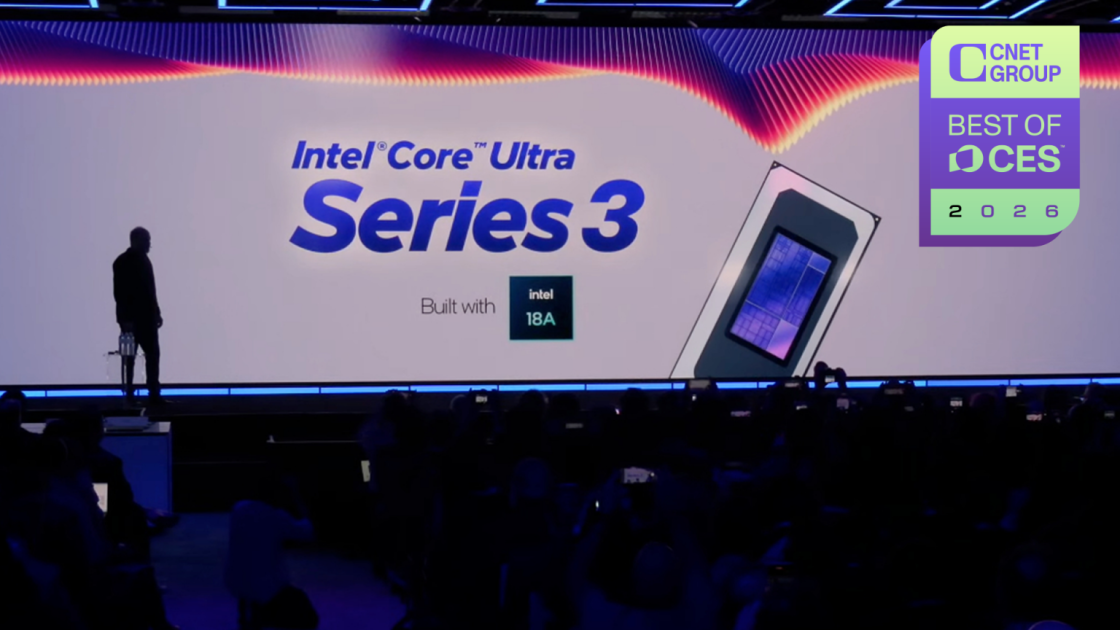
The whispers from the tech world have coalesced into a roar: Intel is back, and it's bringing the future of personal computing with it. At the recent Consumer Electronics Show (CES), the silicon giant unveiled its ambitious launch lineup for the new Core Ultra Series 3 processors, codenamed 'Panther Lake'. These aren't just incremental upgrades; they represent a fundamental leap, leveraging Intel's bleeding-edge 2nm 18A architecture to usher in a true era of AI PCs.
The Dawn of the 18A Era: A Technological Masterstroke
For years, the narrative around Intel's manufacturing prowess seemed to be one of struggle, lagging behind competitors in process node advancements. The introduction of the 18A architecture, however, decisively rewrites this story. '18A' refers to 18 Angstroms, roughly equivalent to a 2-nanometer process node. This is not merely a number; it signifies a monumental engineering achievement that allows for unprecedented transistor density, leading to significantly enhanced performance, vastly improved power efficiency, and a cooler operational footprint for the chips.
What does this mean for the end-user? Laptops equipped with Panther Lake (Core Ultra Series 3) processors will not only be faster and more responsive across general computing tasks but will also boast extended battery life, allowing for greater productivity and entertainment on the go. This technological leap is crucial for Intel's resurgence, positioning it once again at the forefront of semiconductor innovation.
Panther Lake: The Heart of the AI PC
Beyond raw performance, the defining characteristic of these new chips is their explicit design for the burgeoning 'AI PC' category. Intel's Core Ultra Series 3 processors are not just CPUs; they are sophisticated System-on-Chips (SoCs) integrating a powerful Neural Processing Unit (NPU) alongside the traditional CPU and GPU cores. This dedicated AI engine is specifically engineered to handle on-device artificial intelligence workloads with remarkable efficiency.
Imagine real-time language translation without cloud latency, advanced image and video editing features accelerated directly on your laptop, or hyper-personalized user experiences driven by local AI models. These are the promises of the AI PC, and Panther Lake is built from the ground up to deliver on them. The initial launch will see these chips integrated into a wide range of midrange to high-end laptops, making advanced AI capabilities accessible to a broad consumer base.
Reshaping the Competitive Landscape
Intel's aggressive move into the 2nm 18A architecture with Panther Lake has profound implications for the competitive landscape. For years, the battle for laptop supremacy has been fierce, with AMD gaining significant ground and Apple's M-series chips setting new benchmarks for performance-per-watt. Panther Lake, with its focus on advanced manufacturing and integrated AI acceleration, provides Intel with a potent weapon to reclaim market share.
This isn't just about faster cores; it's about redefining what a laptop can do. As software developers increasingly leverage AI capabilities, the hardware best equipped to handle these demands will gain a significant advantage. Intel's strategic bet on the AI PC positions it directly against the perceived strengths of its rivals, aiming to set the standard for the next generation of personal computing.
The Future is On-Device: Implications and Beyond
The launch of Panther Lake and the Core Ultra Series 3 processors is more than just a product release; it's a statement of intent for the future of computing. By pushing AI processing to the edge – directly onto the device – Intel is paving the way for more secure, private, and responsive AI applications. This shift reduces reliance on cloud infrastructure for many tasks, opening up new possibilities for innovation in everything from creative design to scientific research and enterprise applications.
As developers begin to fully harness the power of these new NPU-enabled chips, we can expect a Cambrian explosion of AI-powered software and services. Intel's commitment to the 18A architecture also signals a long-term strategy, with future generations likely to build upon this foundation, further solidifying its position in the rapidly evolving tech ecosystem.
Conclusion: Intel's Bold New Chapter
The 'Panther Lake' Core Ultra Series 3 processors mark a pivotal moment for Intel and the entire tech industry. With the advanced 2nm 18A architecture and a laser focus on AI PC capabilities, Intel is not just catching up; it's aiming to lead the charge into the next decade of personal computing. This is a bold, ambitious chapter for the company, promising a future where our laptops are not just tools, but intelligent companions, reshaping how we work, create, and interact with the digital world.