The 'Shooter Box' Stereotype is Real: How Xbox's Enduring FPS Niche Shapes the Console War, Even for Sony
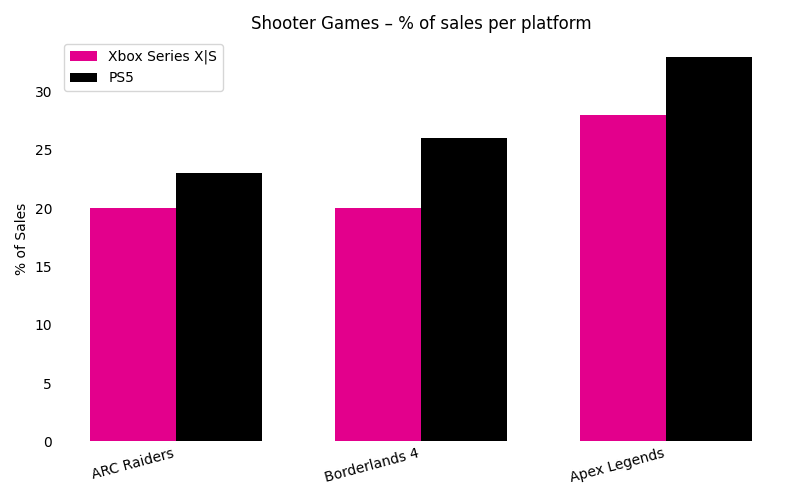
For years, it was a whispered stereotype, a playful jab, or a critical assessment depending on who you asked: Xbox is the 'shooter box.' While often dismissed as an oversimplification, recent data from analytics firm Alinea suggests that this perception might be more rooted in reality than many in the industry cared to admit. As Xbox marks its 25th anniversary, its journey has been defined by strategic shifts and battles for market share, but one constant remains – its powerful, dedicated shooter audience. This demographic is not just a legacy; it's a living, breathing force that continues to shape Microsoft's strategy and presents a formidable challenge that even the dominant PlayStation can no longer afford to ignore.
A Quarter Century of Xbox: From Underdog to Genre Pillar
The history of Xbox is a fascinating tale of ambition, missteps, and eventual triumph in key areas. During the Xbox 360 era, Microsoft truly carved out its identity, leveraging the nascent online multiplayer scene with Xbox Live and nurturing groundbreaking franchises like Halo and Gears of War. This period coincided with the explosive growth of the first-person shooter genre, particularly with the rise of Call of Duty, which found a massive, loyal home on the Xbox platform. The console became synonymous with competitive online play and high-octane action, attracting a core demographic that valued these experiences above all else. This historical context is vital to understanding the present data.
Alinea's Data: Validating the Stereotype
Alinea's findings are particularly illuminating, indicating that Xbox and PlayStation hit "neck and neck on some games user base disparities." This isn't just about total sales numbers for shooter titles across platforms; it's about the disproportionate engagement and dedication of the Xbox user base within this specific genre. The data suggests that a significant segment of Xbox owners are primarily, if not exclusively, drawn to the console for its shooter offerings. This deep immersion creates a loyal, active, and vocal community that is highly responsive to new releases and dedicated to their preferred franchises. For Microsoft, this isn't a limitation; it's a foundational strength, an undeniable core competency around which much of its current strategy revolves.
The Implications for Xbox: A Strategic Anchor
For Xbox, the validation of the 'shooter box' stereotype is less a label and more a strategic anchor. It affirms their continued investment in franchises like Halo, the strategic importance of acquiring publishers like Activision Blizzard (and its crown jewel, Call of Duty), and the ongoing development of Game Pass as a service that can deliver immediate value to this eager audience. Imagine day-one access to the biggest shooter releases as part of a subscription – it's a compelling proposition for this demographic. This focused approach allows Xbox to cultivate a strong identity, even as it seeks to broaden its appeal with a more diverse range of titles and services. Their understanding of this core audience allows for precision targeting in marketing and content development.
Why Sony Can't Ignore the 'Shooter Box'
The more intriguing aspect of Alinea's data lies in its implications for PlayStation. Sony, with its global dominance and critically acclaimed single-player narratives, might seem insulated from such niche concerns. However, the sheer size and engagement of Xbox's shooter audience represent a massive market segment that any platform holder would be foolish to disregard. This isn't just about selling more copies of Call of Duty; it's about console sales, ecosystem lock-in, and the broader appeal of a platform that caters to diverse gaming tastes.
Sony's acquisition of Bungie, the creators of Destiny, is a clear strategic move in this direction, signaling their intent to bolster their live-service and shooter offerings. While PlayStation has its own successful shooter franchises like Helldivers, the historical attachment of the competitive shooter community to Xbox presents a unique challenge. Sony must now consider how to both attract new shooter fans and potentially even sway existing ones, through exclusive content, superior online experiences, or innovative new IPs. Ignoring this segment means ceding a significant, passionate slice of the market to its direct competitor.
The Future of the Console Wars: Defined by Niche Strengths
As the gaming landscape evolves with cross-platform play, cloud gaming, and subscription services, the importance of these deeply ingrained audience preferences will only grow. While the lines between platforms are blurring, distinct audience segments, like the 'shooter box' demographic, remain powerful differentiators. For Xbox, it's about refining and expanding this strength, using it as a foundation for broader growth. For PlayStation, it's about strategically countering and engaging this market without diluting its own core identity. The next chapters of the console wars will undoubtedly be written not just by technological innovation, but by platforms' abilities to understand, cater to, and capture the hearts of these dedicated gaming communities.