Tractors in the City of Light: French Farmers' Revolt Exposes Deep Cracks in EU Trade Ambitions
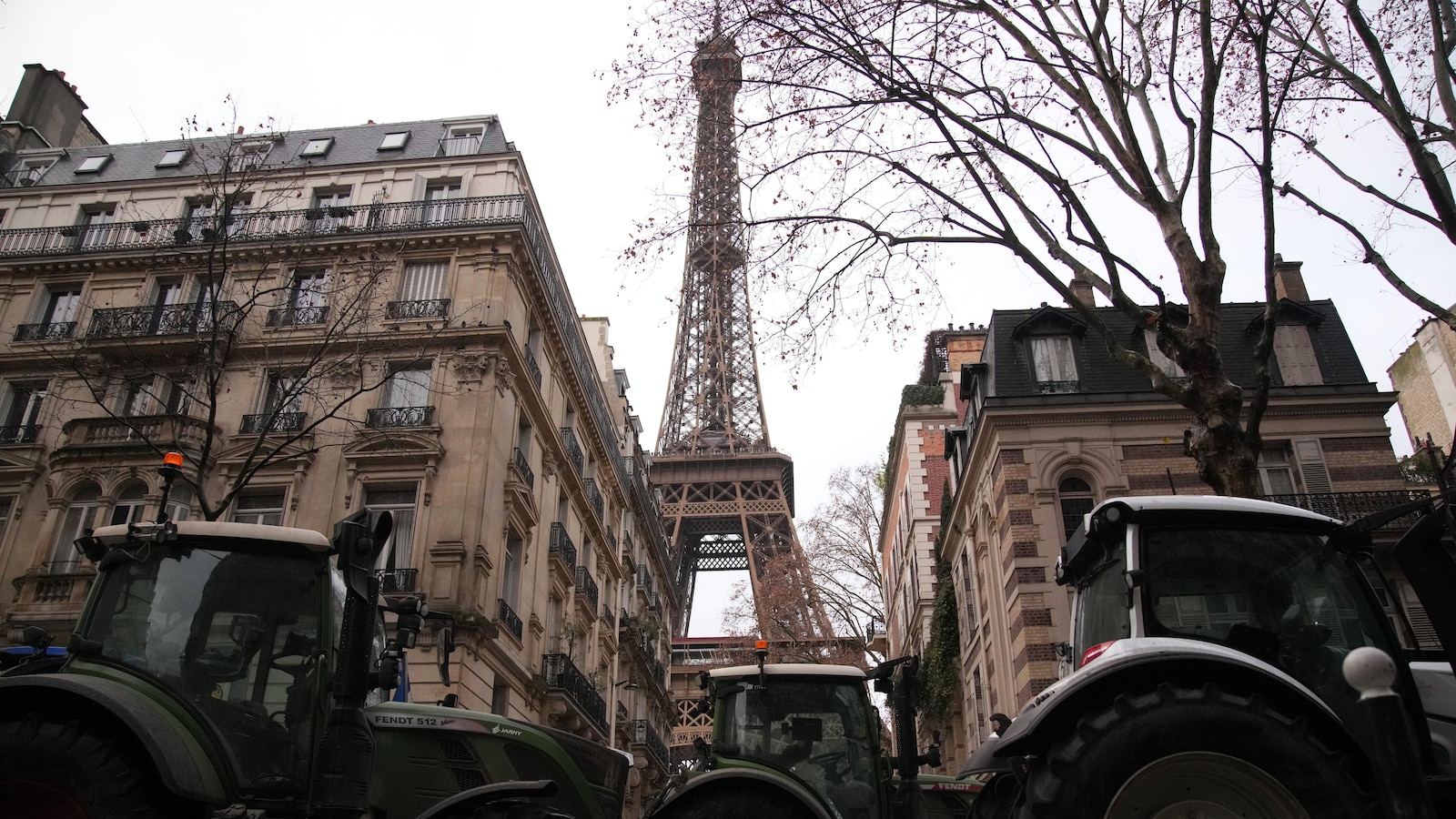
PARIS – The picturesque avenues of Paris, typically graced by tourists and daily commuters, were on Thursday transformed into a battleground of steel and frustration as dozens of angry French farmers, piloting a formidable convoy of about a hundred tractors, stormed the capital. Their destination: the lower house of parliament. Their message: an unequivocal rejection of the European Union's ongoing free trade negotiations, perceived as an existential threat to their livelihoods. This powerful display of dissent is not merely a local grievance; it is a seismic tremor signaling deeper systemic issues within the EU's agricultural and trade policies, with significant implications for Europe's future.
A Confluence of Frustration: Why Farmers Are Fuming
The dramatic scenes in Paris, where farmers forced their way through the city, are the culmination of mounting frustrations that have been simmering across the continent. While the immediate trigger for this protest centers on an unspecified European Union intention regarding a free trade deal – often suspected to be the contentious Mercosur agreement or similar pacts – the underlying anger is multifaceted. Farmers argue that such deals expose them to unfair competition from countries with lower environmental standards, cheaper labor, and less stringent regulations. The influx of cheaper imports, they contend, drives down prices for their produce, making it impossible to compete while simultaneously adhering to the EU's increasingly strict environmental and animal welfare directives.
French farmers, like many of their European counterparts, also grapple with rising operational costs – fuel, fertilizer, and equipment – coupled with unpredictable weather patterns exacerbated by climate change. Despite subsidies from the Common Agricultural Policy (CAP), many feel caught in a squeeze: pressured to produce more sustainably, yet undercut by global markets and bureaucratic hurdles. The sight of a hundred tractors paralyzing a major European capital underscores a profound sense of abandonment and a desperate plea for recognition from policymakers.
The EU's Trade Dilemma: Global Ambitions vs. Local Sustainability
The European Union prides itself on being a global trading power, actively pursuing free trade agreements to expand markets for its goods and services, foster economic growth, and enhance its geopolitical influence. However, this ambition frequently collides with the domestic realities of its agricultural sector, a cornerstone of European identity, landscape, and food security. The protests highlight an inherent tension: how can the EU champion free trade while simultaneously protecting its farmers from the very competition that free trade often engenders?
Critics of the EU's current approach argue that the bloc's trade negotiators often prioritize industrial and service sector gains over the sensitivities of its agricultural producers. The perception among farmers is that they are disposable collateral in larger geopolitical games. This sentiment is particularly potent in France, a nation deeply proud of its agricultural heritage and gastronomic traditions, where farming is not just an industry but a way of life.
Political Repercussions and Future Implications
The French government, and indeed the entire EU Commission, cannot afford to ignore these protests. With crucial European elections on the horizon, the grievances of the agricultural sector are potent political fodder for populist and anti-establishment parties. Failure to address these concerns risks alienating a significant voter base and further destabilizing the political landscape.
The unfolding situation demands a delicate balancing act. Policymakers must re-evaluate whether the economic benefits of proposed trade deals truly outweigh the social, environmental, and economic costs to domestic agriculture. This may necessitate a re-thinking of trade negotiation strategies, potentially incorporating more robust 'mirror clauses' that demand trading partners adhere to similar environmental and social standards as EU producers. It also calls for stronger support mechanisms for farmers transitioning to more sustainable practices, ensuring their viability in a competitive global market.
The tractors in Paris are more than just a momentary inconvenience; they are a stark symbol of a profound disconnect between Brussels' globalist aspirations and the grassroots realities of European life. The future of European agriculture, its food security, and indeed the coherence of the Union's trade policy, hinges on how adeptly its leaders respond to this growing chorus of discontent.