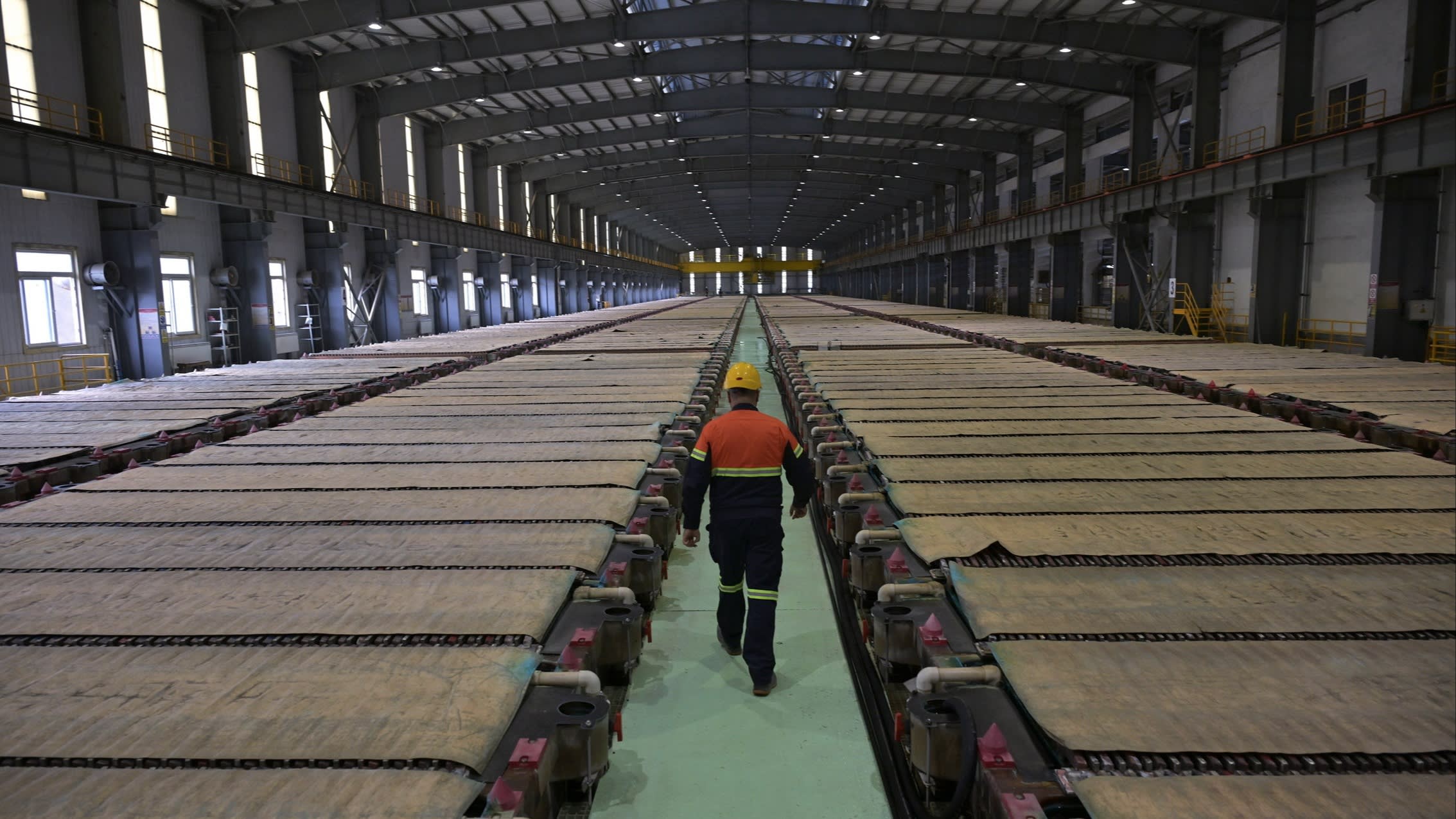
The bedrock of our modern world, from electric vehicles to renewable energy infrastructure, faces an unprecedented threat: a severe copper deficit. A stark warning from S&P Global forecasts a staggering shortfall of 10 million tonnes by 2040, equivalent to nearly one-third of current global demand. This isn't merely an inconvenience; experts are now labeling it a "systemic risk" poised to destabilize global economies and derail the critical transition to a greener future.
The Indispensable Metal and Its Growing Demand
Copper, often called "Dr. Copper" for its perceived ability to predict economic health, is fundamental to virtually every sector of the global economy. Its superior conductivity, malleability, and corrosion resistance make it irreplaceable in wiring, electronics, construction, and increasingly, in the burgeoning green technologies sector. The push for decarbonization – involving massive investments in electric vehicles, wind turbines, solar panels, and smart grids – is fueling an insatiable demand for the red metal. As nations commit to net-zero targets, the demand curve for copper is set to steepen dramatically, far outstripping conventional projections.
Anatomy of a Coming Shortage: Supply-Side Constraints
While demand surges, the supply side struggles to keep pace. Several critical factors converge to create this bottleneck:
Depleting Reserves and Declining Ore Quality
Many of the world's largest and most accessible copper mines are maturing, yielding lower ore grades. Extracting copper from these less-rich deposits is more energy-intensive, environmentally impactful, and costly, thereby pushing up production expenses and extending development timelines.
Lengthy Project Development Cycles
Bringing a new copper mine online is an arduous, multi-decade endeavor. From exploration to full production, it can take 10 to 15 years, if not more. This inherent lag means that even if new significant deposits were discovered today, they would not alleviate the projected 2040 deficit.
Rising Geopolitical and ESG Risks
Mining operations are increasingly concentrated in regions prone to geopolitical instability or stringent environmental, social, and governance (ESG) regulations. Community opposition, labor disputes, and stricter environmental permits further complicate and delay new projects, adding layers of risk and cost.
Underinvestment in Exploration
Despite rising prices, there has been a relative lack of significant new exploration investment compared to historical cycles, partly due to the long lead times and high capital expenditures involved.
Systemic Risks: Economic Fallout and Green Transition Jeopardy
The S&P warning underscores that a 10 million tonne deficit is not a minor hurdle but a systemic threat with profound implications:
Inflationary Pressures and Economic Slowdown
A severe shortage will inevitably lead to exponential price surges, feeding into inflation across industries from construction to manufacturing. This could cripple economic growth, making everything from new housing to technological innovation more expensive and harder to achieve.
Derailing the Green Energy Transition
The most concerning impact is on climate action. Without sufficient copper, the ambitious targets for renewable energy generation and EV adoption become unattainable. The very tools needed to combat climate change would be constrained by the lack of this essential metal, potentially forcing a global reassessment of energy strategies and timelines.
Supply Chain Fragility and Geopolitical Tensions
Dependence on limited supply sources will exacerbate supply chain fragilities and could ignite geopolitical competition for access to dwindling reserves, potentially leading to trade wars or conflicts.
Charting a Course Forward: Mitigation and Innovation
Addressing this crisis requires a multi-pronged approach:
Accelerated Exploration and New Mining Technologies
Significant investment in new exploration, coupled with innovative mining techniques that can economically extract from lower-grade or harder-to-reach deposits, is crucial.
Boosting Recycling and Circular Economy Initiatives
Enhancing copper recycling rates is vital. A more robust circular economy for metals could significantly reduce reliance on virgin materials. This requires better collection infrastructure, advanced sorting technologies, and consumer awareness.
Material Substitution and Efficiency Gains
Research into alternative materials or designs that reduce copper content in specific applications could offer some relief, though complete substitution is challenging due to copper's unique properties. Improving efficiency in existing uses also plays a role.
Policy Support and Strategic Stockpiling
Governments may need to facilitate faster permitting processes for responsible mining projects, offer incentives for exploration and recycling, and potentially consider strategic stockpiling to buffer against extreme price volatility.
The S&P's warning about a looming copper deficit serves as a critical alarm bell. The projected 10 million tonne shortfall by 2040 is not a distant problem but an impending crisis that demands immediate and coordinated global action. Failure to address this challenge risks not only economic destabilization but also severely undermines the world's collective efforts to achieve a sustainable, decarbonized future. The time to invest, innovate, and collaborate on securing our copper future is now.