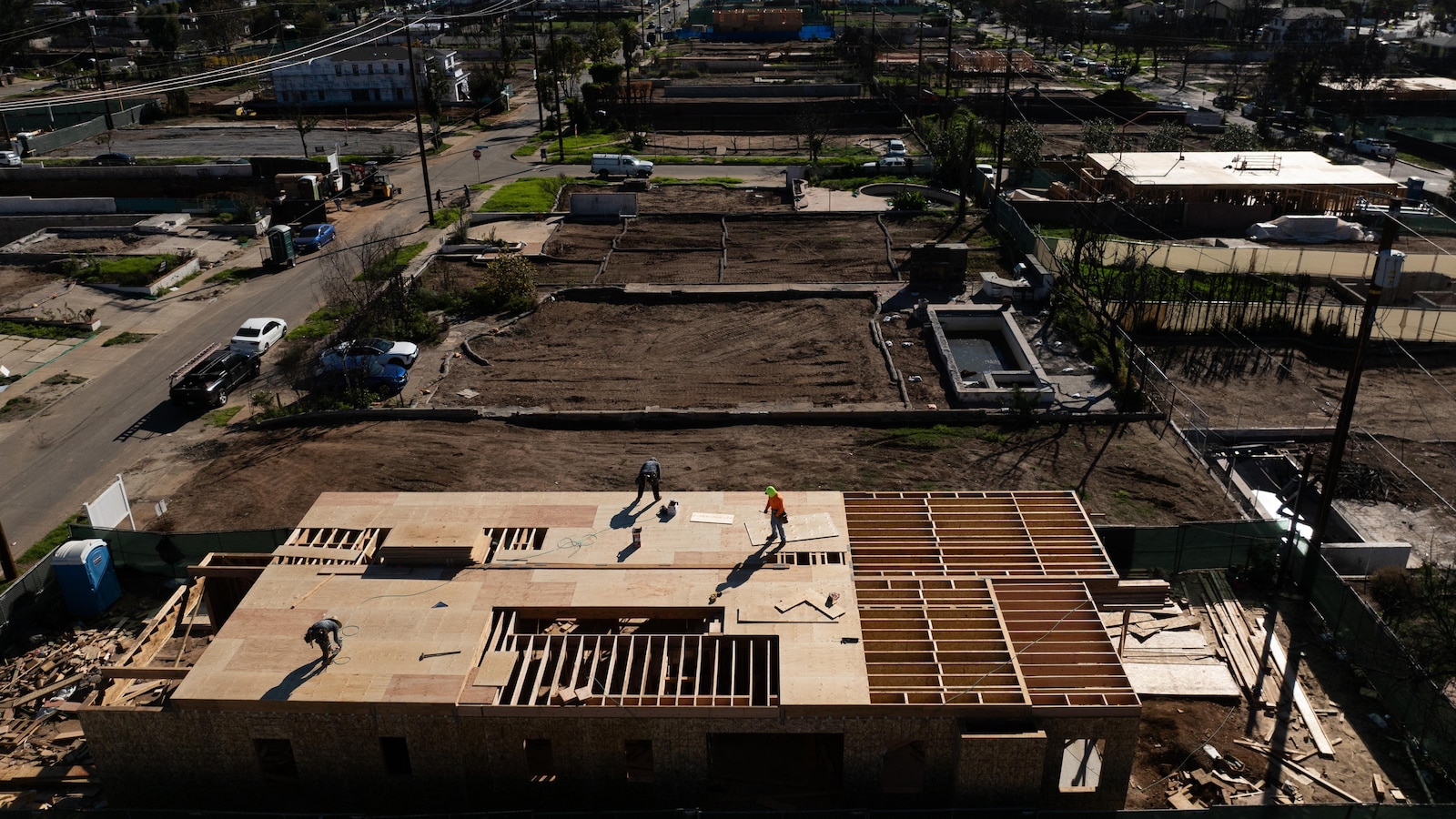
LOS ANGELES — A year has passed since devastating wildfires tore through the Los Angeles area, reducing thousands of homes to ash and forever altering the landscape and lives of countless residents. Yet, as NovaPress investigates, the promise of renewal remains largely unfulfilled. Amidst the still-charred hillsides and flattened plots where vibrant communities once stood, fewer than a dozen homes have been rebuilt, a stark and somber testament to the glacial pace of recovery.
The Lingering Scars of Devastation
The sheer scale of the recent wildfires was unprecedented, displacing families, obliterating livelihoods, and leaving a collective trauma in its wake. Initial estimates painted a grim picture of loss, with thousands of structures declared unsalvageable. Public outcry and governmental pledges of support followed, creating an expectation of rapid reconstruction. However, the reality on the ground tells a far different story, revealing a disheartening struggle for those attempting to reclaim their lives.
A Labyrinth of Bureaucracy and Red Tape
Why is recovery so painstakingly slow? Experts and affected homeowners alike point to a complex web of challenges. Permitting processes, often already notoriously slow in California, have become an even greater bottleneck in fire zones. Rebuilding requires navigating not just standard construction permits, but also often specialized environmental assessments, updated fire safety codes designed for increased resilience, and sometimes even unforeseen archaeological surveys. "It's a full-time job just to get the paperwork done, and most of us lost our jobs or homes and are living in temporary housing," explained one frustrated former homeowner, highlighting the immense personal toll.
Insurance Nightmares and Skyrocketing Costs
Another critical factor is the fraught relationship between homeowners and their insurance providers. Many residents discovered their policies offered inadequate coverage for the true cost of rebuilding, especially given the rapid escalation in construction material prices and labor costs post-disaster. Supply chain disruptions, coupled with increased demand for specialized fire-resistant materials and skilled labor, have pushed expenses far beyond pre-fire estimates. This financial gap leaves many homeowners in an impossible bind, unable to bridge the difference between their insurance payout and the actual cost of reconstruction, often forcing difficult decisions about their future.
The Future Implications: A Blueprint for Disaster?
The protracted recovery in the L.A. area offers a sobering lesson for other regions increasingly vulnerable to climate-fueled disasters. The inability to rapidly rebuild not only exacerbates existing housing shortages but also erodes community cohesion and trust in public institutions. It raises critical questions about our collective preparedness for a future where such events are likely to become more frequent and intense, demanding a more proactive and agile response.
What concrete steps can be taken? Streamlining permitting processes through dedicated disaster recovery task forces, creating incentives for insurance companies to offer more comprehensive and realistic coverage, and investing heavily in pre-disaster mitigation strategies are paramount. Without a fundamental shift in approach, the sight of empty lots and unfulfilled promises will continue to be a painful reminder of our collective vulnerability to natural catastrophes and systemic inefficiencies.
For the residents of the L.A. fire zones, the anniversary is not one of celebration or renewed hope, but rather a stark reminder of the long, arduous road ahead. NovaPress will continue to monitor the situation, advocating for efficient and equitable recovery efforts to ensure that "ashes to ashes" does not also mean "hope to dust."