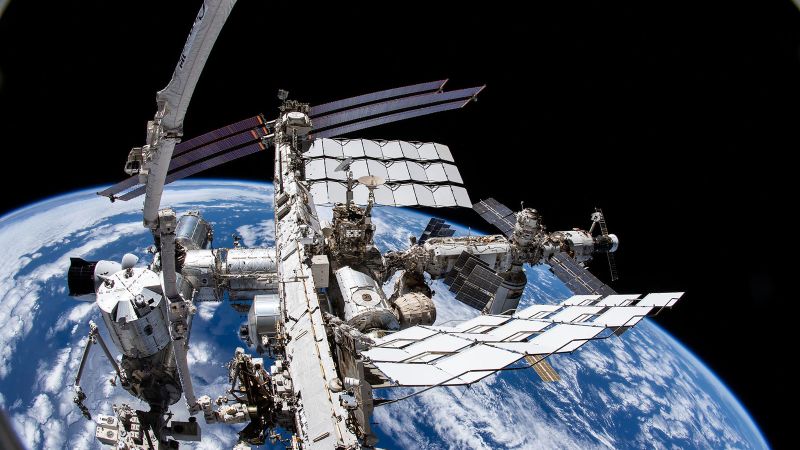
In a move that underscores the intricate balance between ambitious exploration and the delicate fragility of human life, NASA announced Wednesday the postponement of a scheduled spacewalk (Extravehicular Activity, or EVA) due to an undisclosed 'medical concern' with an unidentified astronaut. While the immediate impact is a delay in critical orbital maintenance, this decision by the space agency serves as a profound reminder of the paramount importance of astronaut well-being and the inherent risks intertwined with venturing beyond Earth's protective embrace.
The Critical Role of Spacewalks and Inherent Risks
Spacewalks are fundamental to the operation and expansion of the International Space Station (ISS) and future deep-space missions. These highly choreographed endeavors involve astronauts working outside the spacecraft, often for many hours, to perform tasks ranging from repairing vital systems and installing new components to conducting scientific experiments. They are physically demanding, mentally taxing, and inherently dangerous, exposing astronauts to the vacuum of space, extreme temperatures, radiation, and the ever-present threat of micrometeoroids.
Given these challenges, every spacewalk is preceded by exhaustive training, meticulous planning, and rigorous health checks. The decision to postpone, therefore, is never taken lightly and invariably signals a significant concern. NASA's commitment to crew safety is absolute, a philosophy forged through decades of experience, including tragic incidents that have shaped modern spaceflight protocols.
Behind the Veil: Understanding 'Medical Concern' in Orbit
The agency's terse statement, citing only an 'unidentified astronaut' and a 'medical concern' without further details, is standard protocol to protect the privacy of the individual involved. However, it opens a window into the broad spectrum of health challenges astronauts can face in the unique environment of space. These can range from minor ailments like colds or allergic reactions, which can become more problematic in microgravity, to more serious issues such as injuries sustained during training or prior orbital activities, or even more profound, though rare, acute medical emergencies.
The ISS is equipped with a comprehensive medical kit and crew members are trained in basic medical procedures. Furthermore, ground control medical teams continuously monitor astronaut health, providing remote guidance and consultations. Any medical event in space, no matter how minor on Earth, carries amplified complexity and potential risks due to the isolated environment and limited resources. A seemingly small issue could compromise an astronaut's ability to perform mission-critical tasks, including spacewalks, which demand peak physical and cognitive function.
Implications for Future Space Exploration
While this postponement is a short-term operational adjustment, it highlights long-term challenges for future, more ambitious missions. As humanity sets its sights on sustained lunar presence with Artemis and eventual journeys to Mars, the ability to manage medical emergencies autonomously will become even more critical. On a multi-year mission to Mars, for instance, the luxury of a quick return to Earth or immediate ground-based medical consultation will be non-existent.
This incident underscores the ongoing need for:
- Advanced Onboard Medical Systems: Miniaturized diagnostic tools, telemedicine capabilities, and potentially even robotic surgical assistants.
- Enhanced Medical Training for Crews: Astronauts will need to be even more proficient as medical practitioners.
- Profound Understanding of Space Physiology: Continuous research into how the human body adapts and degrades over extended periods in microgravity and higher radiation environments.
- Psychological Support: The mental toll of long-duration missions and the impact of isolation on overall health.
Prioritizing People Over Schedule
NASA's decision, though a minor setback in the grand scheme of orbital operations, is a powerful affirmation that the safety and health of its astronauts remain the undisputed top priority. It's a testament to an organizational culture that understands that while technological prowess drives space exploration, it is the human element — courageous, resilient, yet ultimately vulnerable — that makes it truly possible.
As we await further updates on the astronaut's condition and the rescheduled spacewalk, this incident serves as a crucial reminder: even as we reach for the stars, our feet must remain firmly planted in the reality of human limitations and the unwavering commitment to protect those who dare to venture into the unknown.