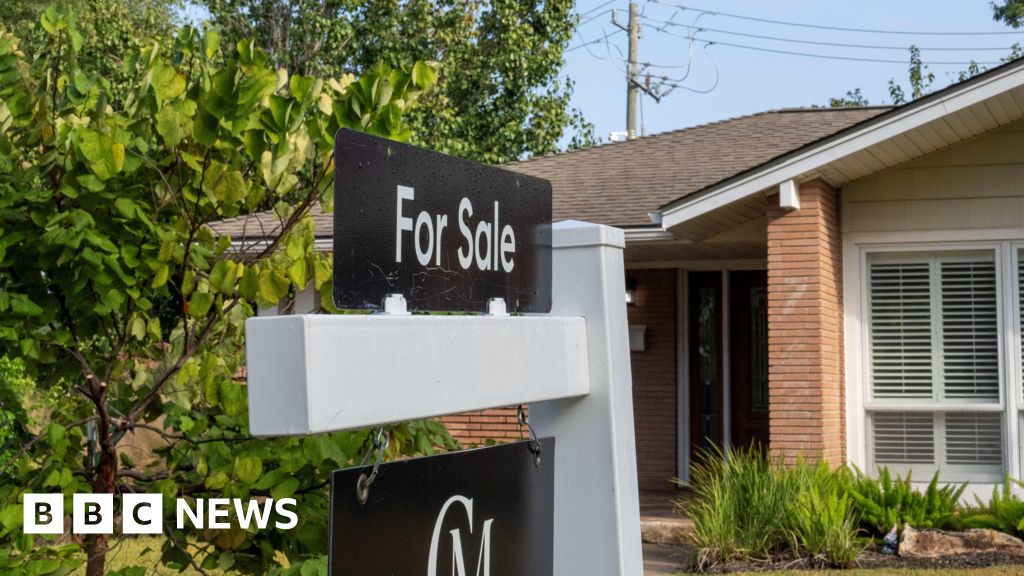
NovaPress Analysis: The announcement by former President Donald Trump to potentially ban institutional investors from purchasing single-family homes has sent ripples through the real estate and financial sectors. This proposed policy directly confronts a defining challenge of our time: the escalating housing affordability crisis, largely fueled by a market where individual homebuyers often find themselves outmatched by corporate giants.
Trump's Bold Housing Gambit: Will Banning Wall Street Restore the American Dream?
The housing market in the United States has, for over a decade, become a battleground. Following the 2008 financial crisis, a new formidable player emerged: institutional investors. Pension funds, private equity firms, and large corporations began acquiring vast portfolios of single-family homes, often converting them from potential owner-occupied properties into rentals. This practice, initially a response to a distressed market, evolved into a strategic business model that has fundamentally altered the landscape of American neighborhoods.
Wall Street's deep pockets and ability to make all-cash offers have consistently outbid individual homebuyers, driving up prices and significantly reducing the supply of available homes. This has exacerbated an already dire affordability crisis, pushing the dream of homeownership further out of reach for millions of Americans. It is against this backdrop that former President Donald Trump has proposed a radical intervention: a ban on these institutional investors from purchasing homes.
The Genesis of a Crisis: Wall Street's Grip on Residential Real Estate
The acquisition spree by institutional investors didn't just impact prices; it reshaped communities. Neighborhoods traditionally built on individual homeownership saw a rise in corporate landlords. While offering rental options, this shift also raised concerns about property maintenance, community engagement, and the long-term stability of local areas. Critics argue that these entities treat homes as commodities, detached from the social fabric, contributing to a sense of instability and eroding the traditional path to building generational wealth through property ownership.
Trump's Policy Proposal: A Direct Confrontation
While specific legislative details are yet to be fully outlined, Trump's stated intent is clear: to remove corporate influence from the single-family housing market, thereby making it more accessible to individual citizens. Such a ban could manifest through various mechanisms, including federal legislation, executive orders, or regulatory changes targeting investment funds and their property acquisition practices. The political appeal is undeniable, tapping into widespread frustration over housing costs and the perception that "Main Street" is being sidelined by "Wall Street."
Potential Upsides: A Return to the Individual Homebuyer?
Advocates for such a policy envision several positive outcomes. Foremost, it would significantly reduce competition for individual buyers, potentially leading to a cooling of home prices and a more balanced market. This could pave the way for more first-time homebuyers and families to achieve homeownership, directly addressing the affordability crunch. Furthermore, a return to predominantly owner-occupied neighborhoods could foster greater community stability, civic engagement, and long-term investment in local infrastructure and services, reversing some of the perceived negative impacts of corporate landlordism.
The Minefield of Implementation: Challenges and Criticisms
Despite the potential benefits, the path to implementing such a ban is fraught with challenges. Legal experts predict significant constitutional hurdles, citing potential infringements on property rights, freedom of contract, and anti-trust laws. The definition of an "institutional investor" would also require careful calibration – how broad would the ban be, and what would prevent circumvention through complex corporate structures or smaller investment groups? Critics also warn of potential unintended economic consequences, such as a sudden withdrawal of investment capital destabilizing certain local markets or even affecting the availability of rental properties if investors reduce their housing stock.
Furthermore, the ban might not immediately address the underlying issues of housing supply. If institutional builders reduce their construction of homes aimed at the investment market, overall housing stock could still remain tight, potentially keeping prices elevated even without direct institutional competition. The policy also raises questions about liquidity in the market for existing investment-owned properties.
Broader Implications: A Shift in Economic Philosophy?
Beyond the immediate housing market, Trump's proposal represents a significant philosophical shift. It signals a willingness for robust government intervention in what has largely been considered a free-market sector. This could set a precedent for similar policies in other critical areas deemed essential for public welfare, sparking broader debates about the role of government versus market forces in shaping national economic policy. It reflects a growing global sentiment questioning unchecked corporate power in essential sectors.
Conclusion: A Policy Fraught with Promise and Peril
Former President Trump's proposed ban on institutional home purchases is a direct response to a deeply felt crisis. It offers a powerful vision of revitalized homeownership for the average American, promising to realign the housing market with individual aspirations rather than corporate balance sheets. However, the complexity of its implementation, the potential for legal battles, and the specter of unintended economic consequences mean that this policy, if pursued, will ignite an intense national debate. Its ultimate outcome could redefine the landscape of American housing and economic policy for generations to come, symbolizing a pivotal moment where the scales of market power may, or may not, finally tip back towards the people.