Beyond the Sniffles: Inside Massachusetts' Alarming Flu Explosion and What It Means for You
Massachusetts is grappling with an unprecedented surge in influenza cases, signaling an early and potentially devastating flu season. Local doctors are describing a "perfect storm" of factors converging to create this public health crisis: a rapidly spreading strain of influenza A, alarmingly low vaccination rates, and the inevitable increase in holiday travel. This isn't just a regional issue; the dynamics playing out in the Bay State offer a stark preview of what could unfold across the nation, demanding immediate attention and a reevaluation of our public health strategies.
The Culprit: A Relentless Influenza A Strain
At the heart of the current crisis is a particularly aggressive strain of influenza A. While the flu virus constantly mutates, some strains prove more virulent or adept at evading prior immunity. This season's dominant strain appears to be highly transmissible, meaning it spreads more easily from person to person, often before symptoms even manifest. Such characteristics amplify the challenge for containment, making swift intervention crucial. The rapid spread also puts immense pressure on testing facilities and public health tracking systems, which are still recovering from the demands of the recent pandemic.
The Achilles' Heel: Dwindling Vaccination Rates
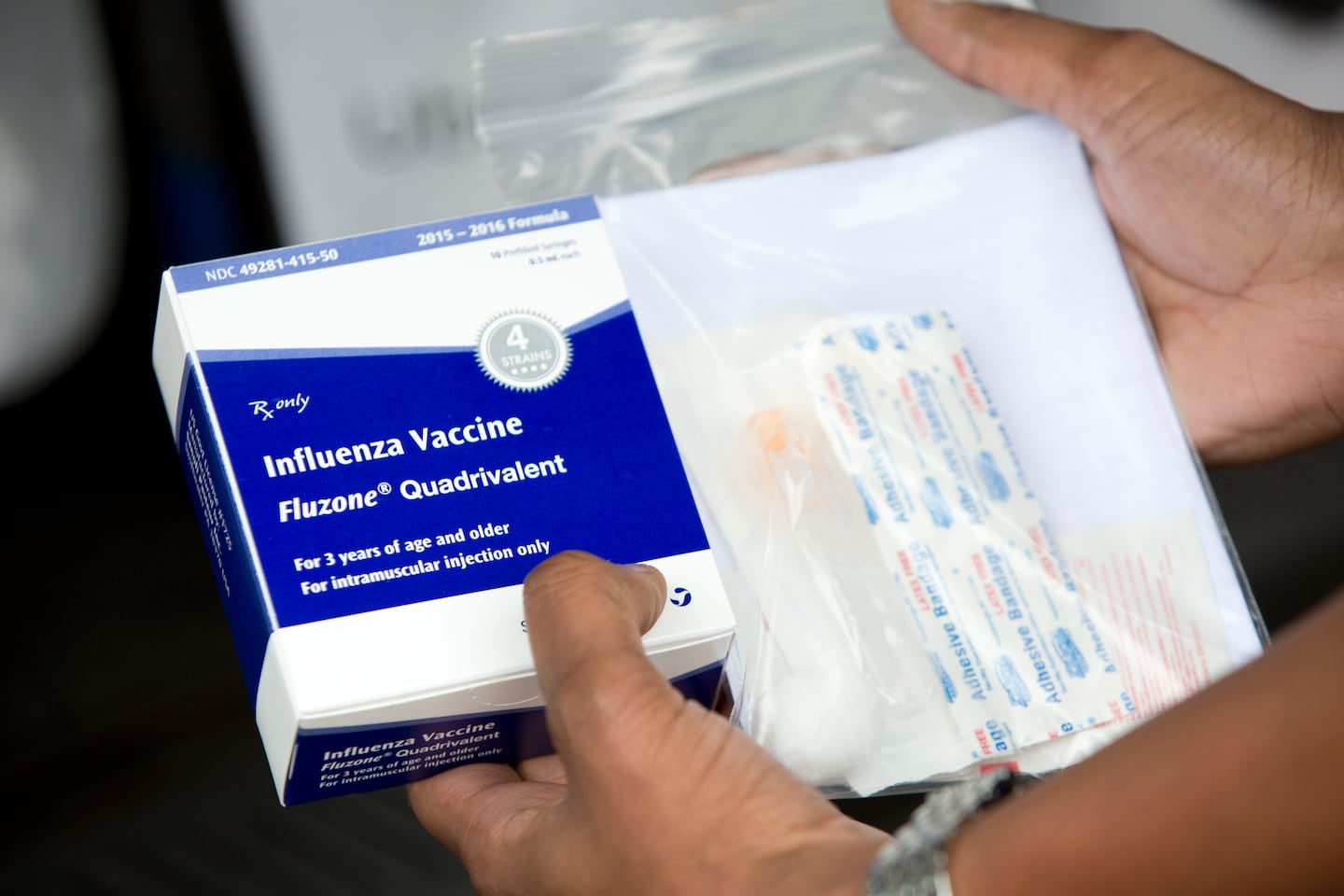
Compounding the threat of a potent virus is a concerning decline in flu vaccination rates. After years of public health campaigns emphasizing the importance of annual flu shots, a noticeable complacency has set in, exacerbated by vaccine fatigue from the COVID-19 pandemic and a persistent undercurrent of misinformation. Many believe the flu is a mild illness or that the vaccine is ineffective. However, medical experts consistently affirm that vaccination remains the single most effective defense against severe illness, hospitalization, and death from influenza. Lower uptake creates a larger pool of vulnerable individuals, allowing the virus to propagate more freely and increasing the likelihood of widespread outbreaks.
The Accelerator: Holiday Travel's Viral Vectors
As families and friends gather for holiday festivities, the increase in travel acts as a supercharger for viral transmission. Airports, train stations, and crowded family gatherings become ideal environments for respiratory viruses to hitch a ride and spread. After years of restricted movement, the pent-up demand for travel means more people are moving across state lines and even internationally, effectively distributing the aggressive flu strain far beyond its initial points of origin. This seasonal migration pattern transforms localized outbreaks into potentially national or even international concerns.
Straining the Healthcare System: A Looming Crisis
The convergence of these factors threatens to overwhelm Massachusetts' healthcare infrastructure. Hospitals, already contending with staffing shortages and the ongoing challenges of other respiratory illnesses, face the grim prospect of overflowing emergency rooms and intensive care units. An intense flu season means not only a surge in flu patients but also a diversion of resources from other critical medical needs, potentially leading to delayed treatments and poorer outcomes for non-flu related conditions. The burnout among healthcare professionals, still reeling from the past few years, could reach breaking point.
Beyond Massachusetts: National Implications and What You Can Do
While the immediate focus is on Massachusetts, the lessons are universal. This "explosion" of flu cases serves as a critical warning for other states and regions. Public health officials nationwide must redouble efforts to promote vaccination, especially for vulnerable populations. Individuals, too, have a crucial role to play:
- Get Vaccinated: If you haven't already, get your flu shot. It's not too late.
- Practice Good Hygiene: Frequent hand washing, covering coughs and sneezes, and avoiding touching your face remain vital.
- Stay Home When Sick: To prevent further spread, avoid work, school, and social gatherings if you feel unwell.
- Consider Masking: In crowded indoor settings, wearing a high-quality mask can offer an additional layer of protection.
The "explosion of flu cases" in Massachusetts is more than just a local headline; it's a profound signal about the fragile state of public health readiness and the collective responsibility we all share. By understanding the contributing factors and taking proactive steps, we can mitigate the impact of this season and better prepare for future health challenges. The time to act is now, before a localized crisis escalates into a broader catastrophe.