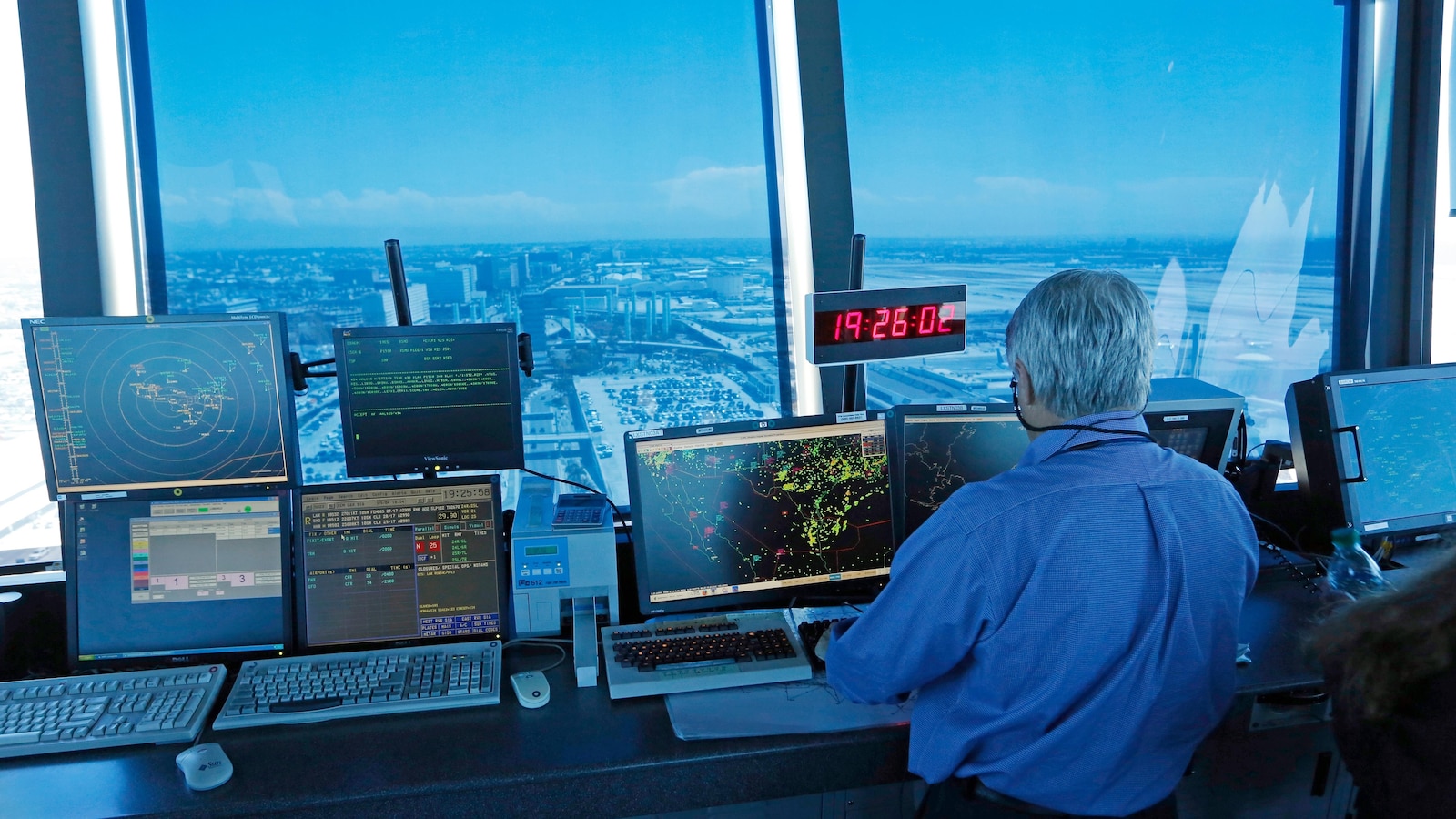
For decades, the invisible threads guiding millions of flights across the United States have relied on technology rooted in an era of shoulder pads and big hair – the 1980s. Now, a monumental shift is underway. The Federal Aviation Administration (FAA) has announced a colossal, multibillion-dollar initiative to replace 612 outdated radar systems nationwide, a move poised to fundamentally transform the nation’s air traffic control infrastructure and secure the future of air travel.
The Urgent Need for Modernization
The existing network of primary and secondary surveillance radars, many of which have been in continuous operation since the Reagan administration, are technological relics in today's digital age. While diligently maintained by dedicated professionals, these aging systems pose significant challenges:
- Reliability Issues: Older components are more prone to failure, requiring costly and frequent maintenance, and carrying the inherent risk of service disruptions.
- Limited Capacity: Designed for an era with far less air traffic, these systems struggle to keep pace with the exponential growth in commercial flights, general aviation, and emerging drone traffic.
- Data Limitations: They offer less precise data and slower refresh rates compared to modern counterparts, hindering the efficiency and safety margins needed for high-density airspace.
- Compatibility: Integrating these vintage systems with newer digital technologies, like the FAA's NextGen air traffic control modernization program, is increasingly difficult and costly.
The decision to finally replace these critical pieces of infrastructure is not merely an upgrade; it’s an imperative for maintaining America's leadership in aviation safety and efficiency.
A Multibillion-Dollar Leap Forward
The FAA has selected two industry-leading firms to undertake this massive replacement project. While specific details on the companies and the exact technologies are still emerging, the scale of the investment underscores the gravity and ambition of the undertaking. This isn't a piecemeal upgrade; it's a comprehensive, nationwide overhaul that will see every single one of these 612 radar sites receive brand-new equipment.
The new radar systems are expected to bring a host of advancements:
- Enhanced Accuracy and Resolution: Providing air traffic controllers with more precise, real-time data on aircraft positions, speeds, and trajectories.
- Improved Reliability: Utilizing modern, solid-state components that require less maintenance and offer greater operational uptime.
- Advanced Weather Capabilities: Better integration with meteorological data, offering controllers a clearer picture of weather impacts on air travel.
- Cybersecurity Resilience: Designed with modern cybersecurity protocols to protect against evolving digital threats.
- Integration with NextGen: Seamlessly interoperating with other NextGen technologies like ADS-B (Automatic Dependent Surveillance-Broadcast), which uses GPS signals for more accurate tracking, creating a more robust and redundant air traffic picture.
Future Implications for Air Travel and the Economy
The ripple effects of this modernization will be felt across the entire aviation ecosystem:
- Heightened Safety: The primary benefit will be an undeniable boost in aviation safety, reducing the risk of mid-air incidents and improving emergency response capabilities.
- Reduced Delays and Increased Efficiency: More accurate and reliable data allows controllers to manage airspace more efficiently, potentially reducing flight delays and optimizing flight paths, leading to fuel savings and lower emissions.
- Economic Boost: A project of this magnitude will generate significant economic activity, creating jobs in manufacturing, installation, engineering, and maintenance across the country.
- Competitive Edge: A modernized air traffic control system strengthens the U.S.'s position as a global leader in aviation, attracting businesses and investment.
- Adaptation to New Technologies: The new infrastructure will be better equipped to handle the integration of emerging technologies like urban air mobility (flying taxis) and advanced drone operations.
Challenges on the Horizon
Such a massive undertaking is not without its challenges. The logistics of replacing 612 systems across diverse geographies while maintaining continuous air traffic operations will be immense. Potential hurdles include:
- Deployment Timeline: The project will likely span several years, requiring careful planning and execution to minimize disruptions.
- Cost Management: Keeping a multibillion-dollar project on budget will demand rigorous oversight.
- Personnel Training: Air traffic controllers and maintenance staff will need extensive training on the new systems.
However, the long-term benefits far outweigh these challenges. The FAA's commitment to this comprehensive radar replacement program marks a crucial turning point, signaling a dedication to future-proofing America's skies. By moving beyond the limitations of 1980s technology, the nation is poised to usher in an era of safer, more efficient, and more reliable air travel for decades to come, ensuring that the invisible threads above us are stronger and smarter than ever before.