Geopolitical Shockwave: How Maduro's Capture Reordered Global Markets and Fueled Bitcoin's Ascent
The global financial landscape was jolted this Monday as news broke of the U.S. military's capture of Venezuelan President Nicolás Maduro over the weekend. This dramatic geopolitical event sent immediate ripples through markets, propelling the Dow Jones Industrial Average to unprecedented all-time highs and igniting a significant rally in oil stocks. But perhaps most intriguing was Bitcoin's swift climb out of a recent rut, prompting analysts to ponder the cryptocurrency's evolving role amid international crises.
The Venezuela Context: A Decades-Long Powder Keg
Maduro's long and controversial tenure, Venezuela's vast oil reserves—the largest proven in the world—and the country's economic collapse under his leadership have made it a perennial flashpoint in international relations. His capture isn't merely a regime change; it potentially signals a monumental shift in global energy dynamics, U.S. foreign policy, and the perception of risk in emerging markets. For years, Venezuela's internal struggles and its embattled leadership have cast a shadow over global oil supply, with sanctions and political instability limiting its output and influencing global prices.
Stock Market Euphoria: Dow Hits Record Highs, Oil Soars
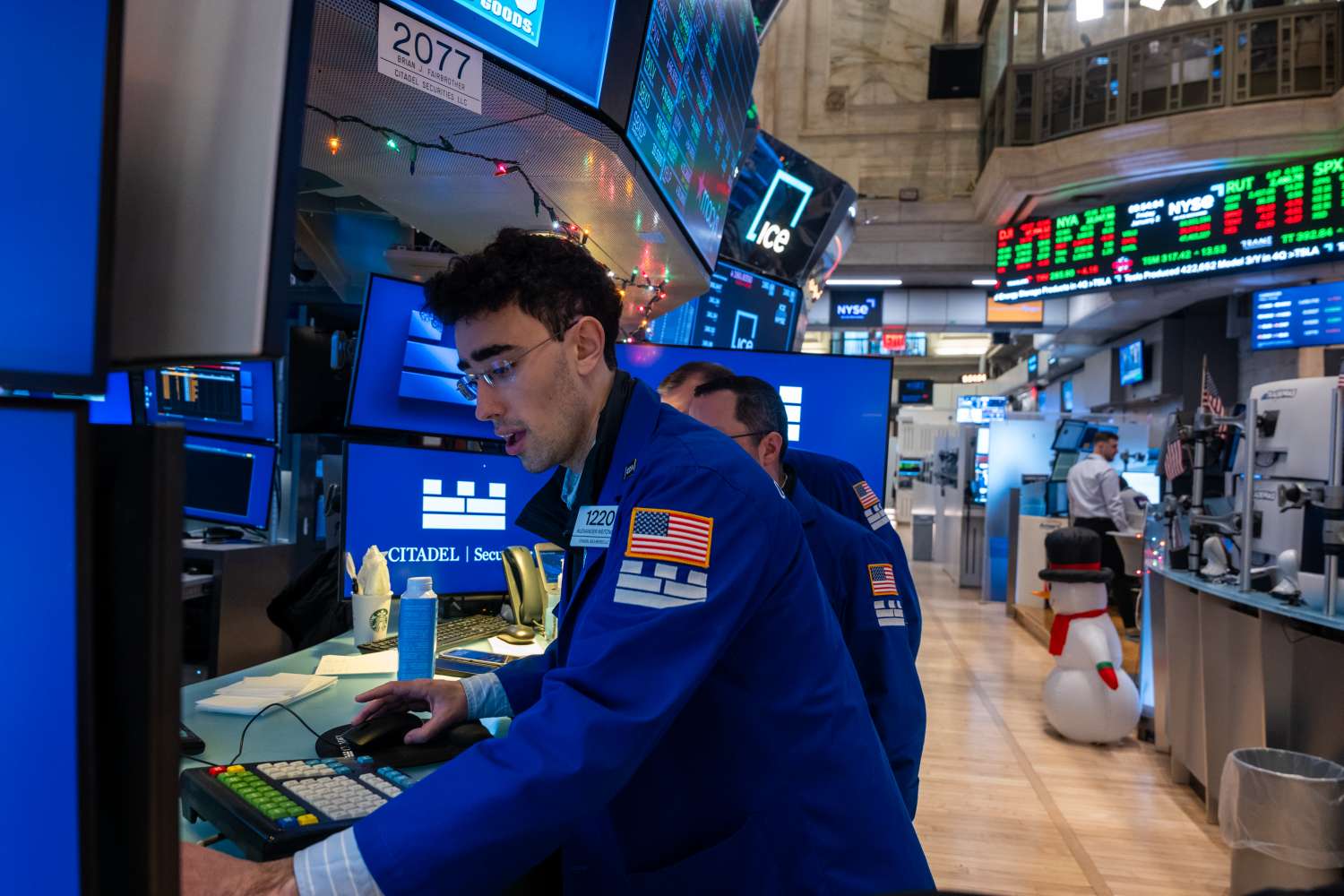
The Dow's record-breaking performance underscored a broader market optimism. Investors, sensing a potential stabilization or opening in Venezuela, perhaps anticipated a smoother flow of oil or a reduction in geopolitical uncertainty. Oil stocks, in particular, saw a furious rally. This could be interpreted in several ways: either the market anticipates a more stable Venezuela could, in the long term, increase global oil supply (leading to lower prices but potentially higher volumes for producers), or short-term uncertainty surrounding the transition drove speculative buying on the expectation of supply disruption or strategic changes. The immediate aftermath suggested that the removal of a significant, destabilizing figure was perceived as a net positive, reducing an overhang of geopolitical risk that had pressured certain sectors.
"The market's reaction suggests a collective sigh of relief, with investors re-evaluating the risk premium previously associated with Venezuelan instability and its broader impact on global energy prices."
Bitcoin's Enigmatic Ascent: A New Safe Haven?
Bitcoin's reaction was less straightforward but equally significant. Traditionally seen by some as a hedge against inflation or a 'safe haven' during economic instability, its climb post-Maduro's capture adds another layer to its complex narrative. Was it purely coincidental, or did institutional investors seeking diversification, or retail investors reacting to a perceived destabilization of traditional political structures, flock to digital assets? This event highlights Bitcoin's growing sensitivity to global political shifts, suggesting it's maturing beyond mere tech speculation into a legitimate, albeit volatile, asset class influenced by macro-geopolitical factors. The perceived fragility of traditional systems might be pushing capital into decentralized alternatives.
Future Implications: A Shifting Global Landscape
The repercussions of Maduro's capture will be multifaceted and long-lasting. For Venezuela, it opens a new, uncertain chapter, with potential for political transition, economic restructuring, and a reassessment of its vast oil resources under new leadership. Globally, the energy market will watch closely for any changes in Venezuelan oil output and its impact on OPEC+ dynamics and overall crude prices. For the U.S., it marks a significant foreign policy victory but also presents the monumental challenge of managing the aftermath and ensuring stability in a nation long plagued by strife.
And for financial markets, particularly in the realm of digital assets, this event reinforces the interconnectedness of geopolitics, traditional finance, and the burgeoning crypto economy, demanding a more nuanced understanding of risk and opportunity. It raises critical questions about how global political volatility will continue to shape investor behavior across all asset classes.
Conclusion: A Complex Interplay
Maduro's capture serves as a stark reminder that political upheavals, even in seemingly distant corners of the world, can send powerful tremors across global financial markets. From the soaring Dow to the curious ascent of Bitcoin, the event has not only redrawn geopolitical lines but also underscored the complex, unpredictable interplay between international events and the intricate dance of asset valuations. Investors and analysts alike will be poring over these developments for months to come, deciphering the long-term implications of this weekend's dramatic turn and what it means for a world increasingly defined by both political uncertainty and digital innovation.