The Silent Assassin Beneath the Sands: Unmasking the Moon Snail's Macabre Ingenuity
The serene image of a sandy beach, with gentle waves lapping at the shore, often evokes feelings of peace and tranquility. Yet, beneath the very surface we tread, a silent, predatory drama unfolds daily, unseen by most. Hidden behind a veil of wet sand, a creature of surprising sophistication and chilling efficiency lurks: the moon snail. Far from being a mere scavenger, this mollusk is a master of camouflage and a highly effective 'driller-killer', challenging our perceptions of the seemingly placid marine environment.
The Architect of Annihilation: A Pale Pink Magic Carpet of Death
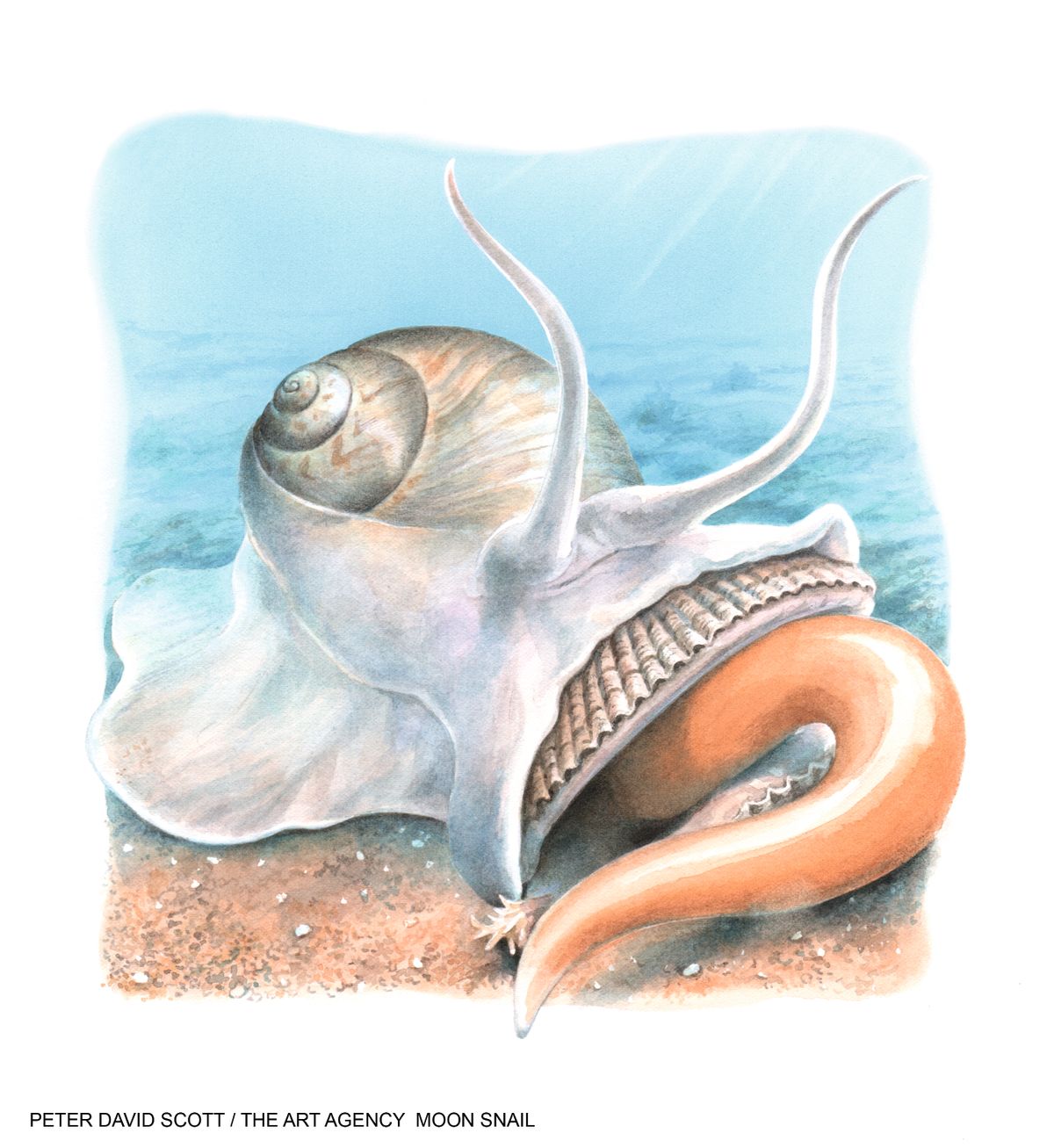
Imagine a creature that moves with the grace of a 'pale pink magic carpet', yet possesses the lethal intent of a seasoned assassin. The moon snail, often represented by species like Polinices duplicatus, achieves this paradoxical movement through an extraordinary adaptation: a massive, muscular foot. When extended, this foot can engulf prey much larger than the snail's own shell, creating a temporary, mobile chamber where its macabre work can begin. This isn't just a simple capture; it’s an intricate preparatory step for a feast that is both horrifying and fascinating.
A Precision Strike: The Art of the Drilled Shell
Beachcombers often find bivalve shells – cockles, clams, and oysters – with a curiously neat, perfectly circular hole drilled into them. These are not random occurrences or the work of human intervention; they are the unmistakable calling cards of the moon snail. The snail initiates this precision strike by secreting an acidic enzyme from an accessory boring organ, which softens the victim's shell. Following this chemical attack, a specialized rasping tongue, called a radula, is deployed to meticulously grind away the shell material. This process, often targeting the thickened region near the hinge called the umbo, is a marvel of biological engineering, enabling the snail to breach its prey's formidable defenses with astonishing accuracy and patience.
The Macabre Feast: Paralysis and Liquefaction
Once the shell is penetrated, the moon snail doesn't simply consume its prey in chunks. Its method is far more chilling. It injects paralyzing neurotoxins into the bivalve, rendering it helpless. Then, digestive enzymes are pumped into the shell, effectively liquidizing the soft tissues within. The moon snail then slurps up its liquefied meal, leaving behind only an empty shell with a tell-tale hole. This method ensures maximum nutrient extraction and minimizes effort in consuming resistant prey, showcasing an evolutionary strategy honed over millennia.
Ecological Implications: A Predator's Vital Role
While the moon snail's predatory tactics might seem brutal, they are crucial for maintaining the delicate balance of coastal ecosystems. As a significant predator of bivalves, moon snails play a vital role in regulating their populations, preventing overgrazing of phytoplankton and ensuring species diversity. Without such predators, bivalve populations could explode, leading to competition and potentially altering the entire structure of benthic communities. Their presence is an indicator of a healthy, functioning intertidal zone, where complex food webs thrive beneath the surface.
Beyond the Beach: Lessons from the Deep Sands
The story of the moon snail is a powerful reminder of the hidden complexity and profound biodiversity that exists in seemingly mundane environments. It challenges us to look beyond the obvious, to appreciate the intricate interactions and ingenious adaptations that define life in every niche of our planet. The sandy bottom, often dismissed as barren, is a vibrant arena of survival, innovation, and sometimes, spectacular macabre beauty. Understanding these hidden lives enriches our appreciation for nature's boundless creativity.
Future Echoes: Coastal Resilience and Unseen Threats
As coastal environments face increasing pressures from climate change, pollution, and habitat destruction, the fate of creatures like the moon snail becomes increasingly relevant. Changes in ocean temperature, acidification, or the availability of prey species could have cascading effects throughout the benthic ecosystem. Studying these unique predators provides invaluable insights into the resilience and vulnerabilities of our marine habitats. Protecting these unsung heroes of the intertidal zone, even the 'driller-killers', is crucial for maintaining the health and stability of the larger marine world and ensuring that the hidden wonders beneath our feet continue to thrive for generations to come.
So, the next time you stroll along a sandy beach, take a moment to reflect on the unseen world below. The moon snail, with its pale pink 'magic carpet' and chilling precision, is a testament to nature's endless capacity for ingenuity and its spectacular, often brutal, beauty.