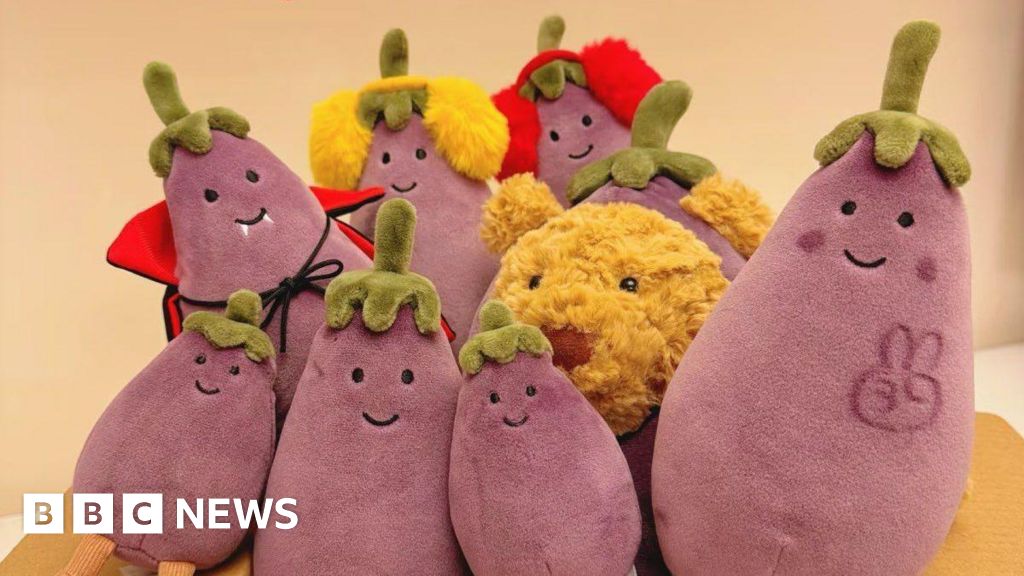
The Plush Paradox: How Jellycat Became China's Comfort Blanket in Turbulent Times
By NovaPress Editorial Team
In an era defined by rapid economic shifts and pervasive uncertainty, the last thing one might expect to become a cultural sensation is a line of plush toys. Yet, in China, the British brand Jellycat has not only achieved this status but has become a profound symbol of emotional resilience and comfort for millions of young people. What lies beneath the surface of this seemingly simple phenomenon is a deep narrative about changing consumer values, the search for emotional solace, and the unique pressures faced by China's youth.
More Than a Toy: A Soft Landing in Hard Times
The story of Jellycat's ascent in China is intimately linked to personal stories of struggle and adaptation. As reported by the BBC, individuals like Stella Huang found their first Jellycat after losing her job during the pandemic. This anecdote is far from isolated; it mirrors a broader trend where plush toys are being sought out not merely as objects of play, but as tangible sources of "emotional value." For a generation navigating the complexities of high youth unemployment, intense academic and professional competition, and a post-pandemic landscape rife with economic trepidation, a Jellycat offers a non-judgmental companion, a silent confidante, and a soft escape.
The Economic Undercurrents: Anxiety and the Search for Solace
China's economic engine, while formidable, has produced significant anxieties, particularly among its youth. The "996" work culture (9 am to 9 pm, 6 days a week) illustrates the intense pressure for success. Coupled with slowing economic growth, fierce competition for jobs, and the lingering psychological impact of the pandemic, many young Chinese find themselves grappling with unprecedented levels of stress and uncertainty about their future. In this environment, traditional forms of material consumption often linked to status or ambition have begun to cede ground to what can be termed "comfort consumption."
This shift isn't just about escapism; it's a pragmatic response to emotional needs. As one analyst put it, if you can't control the macro-economic forces, you can at least control your immediate environment and find small pockets of joy and comfort. Jellycat, with its distinctive whimsical designs, high-quality materials, and often higher price point (making it a deliberate purchase), fits perfectly into this niche. It offers a premium product that signifies self-care and a personal investment in one's own emotional well-being, rather than a flashy display of wealth.
The Digital Embrace: How Social Media Fueled the Fire
Jellycat's viral success in China is inseparable from the power of social media platforms like Xiaohongshu (Little Red Book) and Douyin (TikTok). Here, users share aesthetically pleasing photos and videos of their Jellycats in various settings – from cozy bedrooms to trendy cafes – often accompanied by heartfelt captions about finding comfort or companionship. This organic, user-generated content has created a powerful feedback loop, transforming the brand from a niche import into a widespread cultural phenomenon. The plushies become not just personal companions but also props in a digital narrative of modern youth life, blending aspirational aesthetics with relatable vulnerability.
The communal aspect is also critical. Sharing one's Jellycat story on social media fosters a sense of belonging and mutual understanding among peers facing similar pressures. It creates an informal support network where owning a Jellycat becomes a subtle badge of shared experience and a signal of empathy, strengthening its emotional resonance.
Future Implications: Beyond the Fluff
The Jellycat phenomenon offers crucial insights for brands and market observers alike. It underscores a growing global trend: the consumer's increasing demand for products that offer genuine emotional connection and address psychological needs, especially in times of upheaval. For companies looking to succeed in markets like China, understanding the underlying anxieties and aspirations of the target demographic is paramount. A superficial understanding of trends will no longer suffice; deep empathy and the ability to articulate a product's "emotional value" will be key differentiators.
Furthermore, this trend suggests a potential long-term shift in consumer priorities, moving beyond purely material acquisitions towards experiences and objects that contribute to mental and emotional well-being. Whether this "emotional economy" will continue to expand or evolve into new forms remains to be seen, but the comfort offered by a simple plush toy in a complex world speaks volumes about the enduring human need for connection and solace.
The Jellycat story is a testament to the unexpected ways in which products can intersect with profound human experiences. It illustrates that in a world grappling with uncertainty, sometimes the softest touch can leave the deepest imprint.