U.S. Vows to 'Run' Venezuela Post-Maduro Capture: A New Era of Intervention?
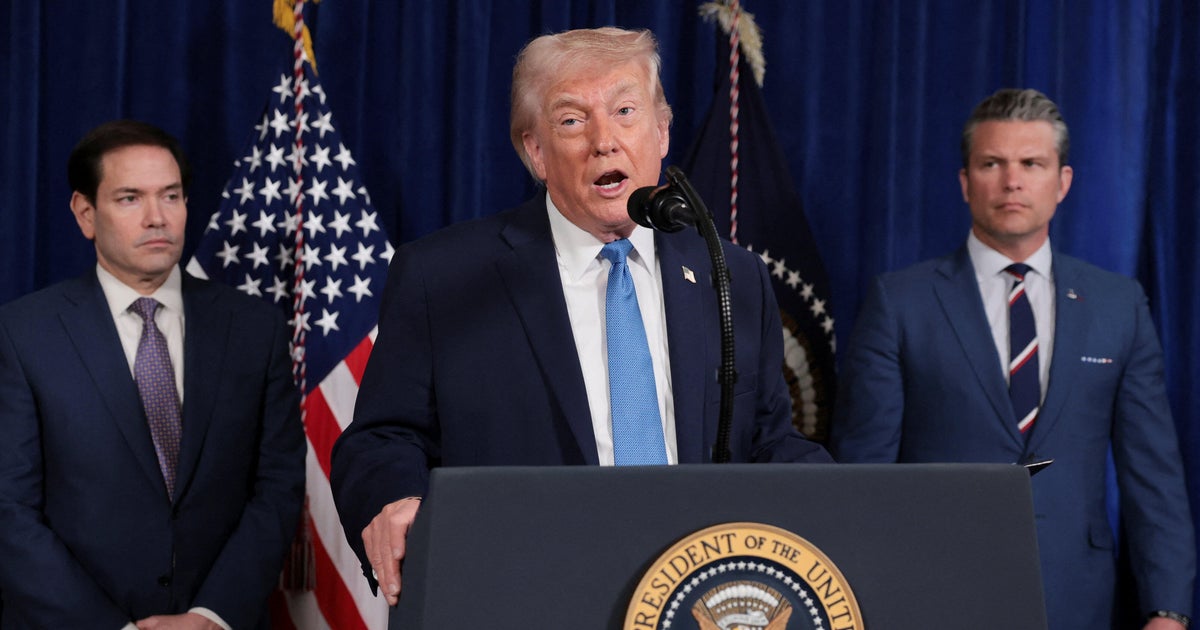
The global stage was rocked today by an unprecedented declaration from President Donald Trump, asserting that the United States would "run the country" of Venezuela following a U.S. military operation resulting in the capture of President Nicolás Maduro. This bold statement, promising direct U.S. administration until a "safe, proper and judicious transition" can be achieved, marks a dramatic escalation in U.S. foreign policy and potentially redefines the boundaries of international sovereignty. The implications are profound, not only for the beleaguered nation of Venezuela but for the geopolitical landscape of the entire Western Hemisphere and beyond.
The Context: Years of Crisis and Rising Tensions
Venezuela has been a nation in protracted crisis, suffering from economic collapse, hyperinflation, widespread humanitarian suffering, and a deep political schism. For years, the U.S. has pursued a policy of sanctions, diplomatic isolation, and support for opposition leaders, recognizing Juan Guaidó as the legitimate interim president. Maduro, however, clung to power, backed by key elements of the military and international allies like Russia, China, and Cuba. The U.S. position had increasingly hardened, with rhetoric often hinting at "all options on the table." The specific details of the military operation leading to Maduro's capture remain scant, but its execution signifies a decisive shift from economic and diplomatic pressure to direct military action.
"Running the Country": Uncharted Territory?
President Trump's declaration that the U.S. would "run" Venezuela is a statement of immense weight and contentious legal implications. Historically, direct U.S. administration of a foreign nation, outside of post-war occupations or very specific trust territories, is rare in modern history. This is not merely an intervention to facilitate an election or provide humanitarian aid; it implies an intent to manage the apparatus of state.
Sovereignty and International Law
Such an action raises immediate questions about Venezuela's sovereignty, enshrined in international law and the UN Charter. The principle of non-interference in internal affairs is a cornerstone of the international system. While the U.S. could argue the intervention was humanitarian or to restore democracy, the explicit statement of "running the country" goes further than typical justifications.
The Scope of "Running"
What does this entail? Will a provisional military government be established? Will U.S. civilians be deployed to manage ministries, infrastructure, and public services? The logistical and political challenges are staggering. Venezuela is a large, complex nation with deep-seated political divisions and a significant military.
The Definition of "Transition"
The goal of a "safe, proper and judicious transition" is vague. Who will define what constitutes 'safe,' 'proper,' and 'judicious'? Will it be solely a U.S. determination, or will international bodies like the OAS or UN have a role? The pathway to establishing a new, legitimate, and stable government in Venezuela will be fraught with internal and external pressures.
Challenges and Risks Ahead
The path ahead for any U.S. administration in Venezuela is fraught with immense challenges and significant risks:
Security Vacuum and Internal Resistance
Maduro's capture, while significant, does not automatically eliminate all opposition to U.S. presence or a new government. Loyalists within the military, paramilitary groups, and political factions could engage in prolonged resistance or insurgency, turning a swift operation into a protracted conflict.
Humanitarian and Economic Reconstruction
Venezuela's economy is shattered. Rebuilding infrastructure, restoring essential services, tackling hyperinflation, and addressing the massive humanitarian crisis will require colossal financial investment and expertise. The U.S. would likely bear the primary responsibility, at least initially.
Geopolitical Backlash
Russia, China, and Cuba have been vocal supporters of the Maduro regime. Direct U.S. administration could provoke strong condemnations, potential countermeasures, and further complicate already strained international relations. Other Latin American nations, while perhaps relieved by Maduro's ouster, may also harbor deep concerns about U.S. interventionism in the region.
Mission Creep and Exit Strategy
History is replete with examples of interventions that, while initially defined with clear objectives, spiral into prolonged engagements with unclear exit strategies. The U.S. will face immense pressure to stabilize the country, establish democracy, and prevent a return to autocracy, but the timeline and resources required are immense.
Public Opinion
Both within the U.S. and internationally, public opinion will be sharply divided. While some may laud the removal of a dictator, others will decry the perceived violation of sovereignty and the potential for a new "quagmire."
Conclusion: A Crossroads for U.S. Foreign Policy
President Trump's declaration marks a pivotal moment, shifting U.S. foreign policy from coercive diplomacy to direct state administration. This move, if sustained, sets a profound precedent for how the U.S. intends to address what it deems failing or autocratic states in its sphere of influence. While the capture of Nicolás Maduro may satisfy calls for accountability and intervention, the commitment to "run the country" of Venezuela opens a Pandora's Box of challenges, legal complexities, and geopolitical repercussions. The success or failure of this ambitious undertaking will not only determine Venezuela's future but could reshape the contours of U.S. global engagement for decades to come. The world watches, holding its breath, as NovaPress continues to bring you the deepest analysis of this unfolding global drama.