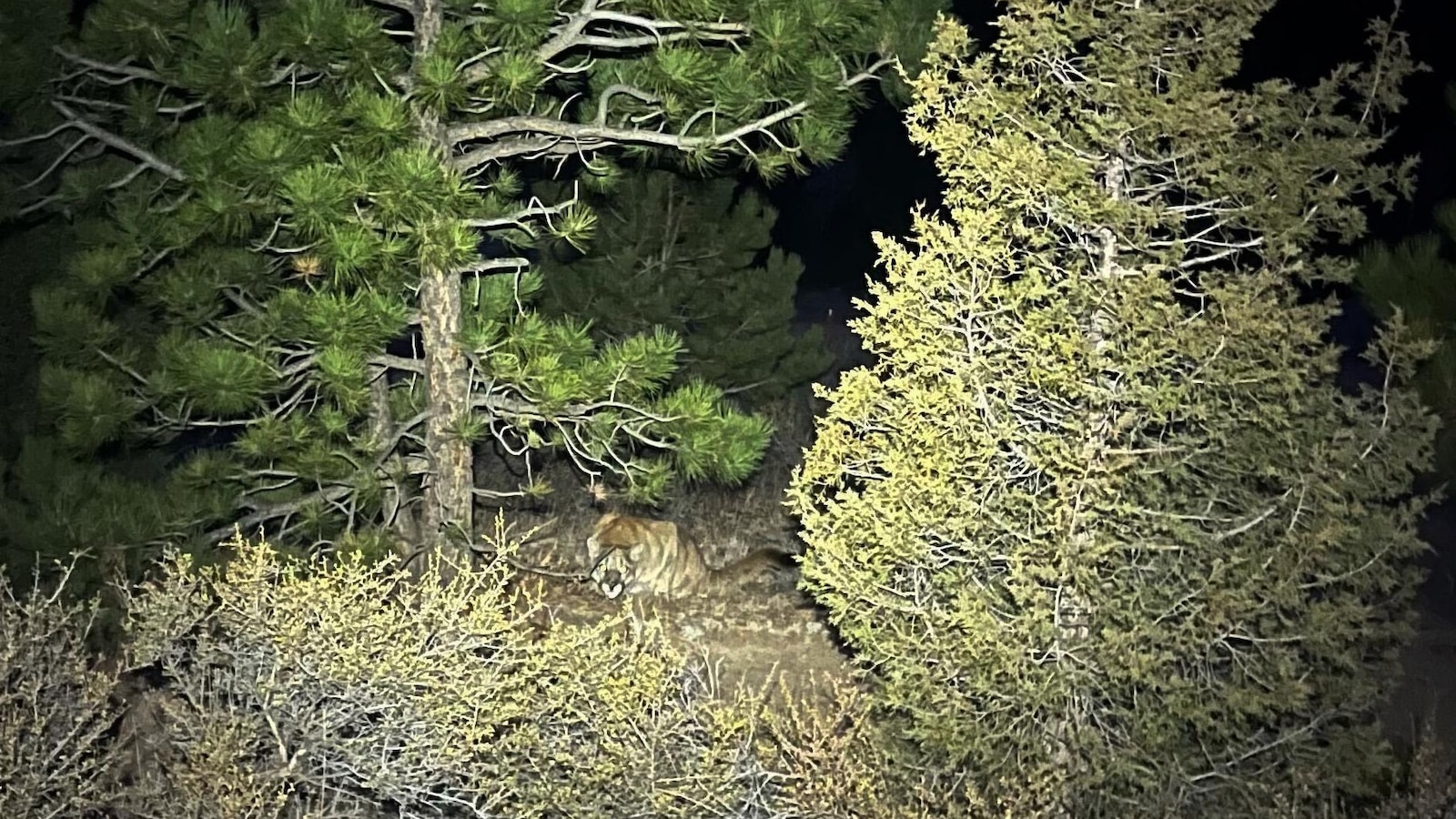
Shadows of the Wild: Unpacking the Escalating Mountain Lion Encounters in Colorado's Backcountry
The serene, snow-dusted trails of Colorado's backcountry promise solitude and natural beauty. Yet, a chilling series of events unfolding around New Year's Day has cast a long, predatory shadow over this idyllic image, prompting a critical re-evaluation of human-wildlife coexistence in our increasingly shared landscapes. A suspected fatal mountain lion attack on a solo hiker has brought to light a disquieting truth: this tragedy was not an isolated incident, but eerily foreshadowed by another harrowing encounter in the very same vicinity just weeks prior.
A Fatal New Year's Day, A Haunting Precedent
Authorities are piecing together the grim details of a New Year's Day tragedy where a woman hiking alone on a remote Colorado trail is believed to have been killed by a mountain lion. The incident has sent ripples of shock through the hiking community and wildlife agencies alike. What makes this event particularly unsettling is the context: weeks earlier, another individual had a terrifying, close-quarters confrontation with a mountain lion in an area closely mirroring the location of the fatal attack.
That earlier encounter saw a man bravely fight off a powerful predator, emerging with injuries but ultimately surviving. At the time, it was a remarkable story of human resilience against the wild. In retrospect, it now reads like a dire warning unheeded, or perhaps, a grim prelude to an inevitable clash between humans and apex predators whose territories are increasingly overlapping with recreational spaces.
Understanding the Predator: Why the Surge in Encounters?
Mountain lions, also known as cougars or pumas, are elusive and typically avoid human contact. Their stealth and power make them formidable hunters, primarily preying on deer, elk, and smaller mammals. So, what drives these territorial creatures into confrontations with humans? Several factors could be at play:
- Habitat Encroachment: As human populations expand and outdoor recreational activities surge, pristine wilderness areas shrink, forcing wildlife into closer proximity with human settlements and trails.
- Prey Availability: Changes in prey distribution or density, perhaps due to environmental factors or human hunting pressures, can compel lions to seek food sources closer to developed areas.
- Juvenile or Injured Animals: Young, inexperienced lions or older, injured ones might be less adept at hunting natural prey and more desperate, increasing their likelihood of bold encounters.
- Habituation: In rare cases, if lions become accustomed to human presence – especially if fed directly or indirectly (e.g., via pet food left outside) – they can lose their natural fear.
The repeated incidents in the same geographical pocket of Colorado suggest a localized factor, be it a particular animal exhibiting unusual behavior, or specific environmental conditions creating a hotspot for interactions.
Implications for Wilderness Safety and Wildlife Management
These incidents necessitate a serious discussion about the future of wilderness access and wildlife management strategies. For hikers and outdoor enthusiasts, the primary takeaway is heightened vigilance:
- Hike in groups: Solitary hiking, while appealing for introspection, significantly increases vulnerability.
- Be aware of surroundings: Constant scanning of the environment, especially dense foliage or rocky outcrops, is crucial.
- Make noise: Announcing your presence can deter secretive predators.
- Carry protection: Bear spray or a sturdy walking stick can be deterrents in a worst-case scenario.
- Know what to do in an encounter: Stand your ground, make yourself look large, make noise, and fight back if attacked.
From a wildlife management perspective, these events pose a complex challenge. The goal is often to preserve natural ecosystems while ensuring public safety. This might involve increased monitoring of mountain lion populations, targeted education campaigns for residents and visitors, and in extreme cases, relocating or even culling animals that pose a direct and repeated threat to human life.
The Evolving Narrative of Coexistence
The tragic events in Colorado serve as a stark reminder that wild places are, by definition, wild. They are ecosystems governed by ancient rules, where humans are visitors, not masters. The narrative of coexistence is an evolving one, demanding respect, understanding, and proactive measures from both sides.
As we continue to seek solace and adventure in the natural world, it becomes imperative to acknowledge the risks, adapt our behaviors, and support informed wildlife management practices. Only then can we hope to mitigate such heart-wrenching clashes and ensure that the shadows of the wild remain a symbol of mystery and awe, rather than a harbinger of tragedy.