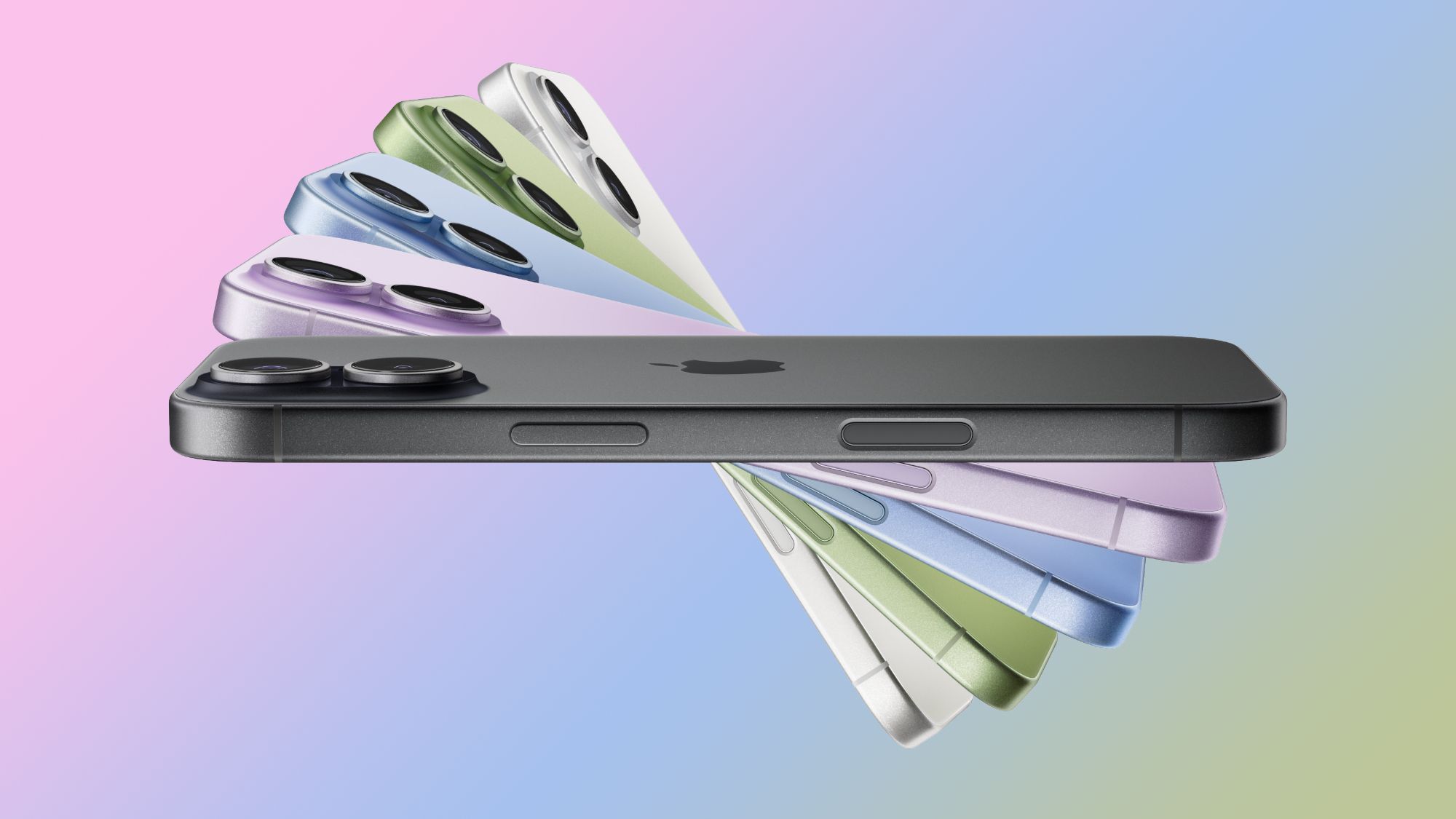
For decades, the rhythm of September has been predictable for tech enthusiasts: a new iPhone. It’s a drumbeat that has defined Apple's annual product cycle, anchoring its colossal revenue and reinforcing its technological dominance. This year, however, that familiar cadence is reportedly breaking. A growing chorus of reports, notably highlighted by MacRumors, suggests that Apple is not expected to release a standard iPhone 18 model. This isn't merely a delay; it signifies a potential seismic shift in Apple's long-standing strategy, prompting widespread speculation and a deep dive into what this 'significant change' truly entails for the Cupertino giant and the broader mobile landscape.
Since the original iPhone's debut in 2007, Apple has meticulously refined its annual update cycle, cultivating an ecosystem of anticipation, leaks, and eventual global launches. Each September event has been a masterclass in marketing, driving upgrades, attracting new users, and fueling an accessory market worth billions. The iPhone, more than just a device, became a cultural touchstone, a yearly benchmark for mobile innovation. To disrupt this highly successful, almost sacred, ritual suggests an internal strategic realignment of monumental proportions. It begs the question: why now, and what is Apple truly planning?
Decoding the "Significant Change": Potential Scenarios
The reports allude to a 'significant change,' a vague but tantalizing phrase that opens the door to several possibilities, each with profound implications.
1. The Super-Cycle Strategy Amplified
Apple has previously orchestrated 'super-cycles' – periods of heightened upgrades driven by major design changes or revolutionary features (e.g., iPhone 6 with larger screens, iPhone X with Face ID). It's plausible that Apple believes the incremental upgrades characteristic of recent 'standard' iPhone models are no longer sufficient to drive the desired upgrade momentum. By skipping a year, they could be consolidating resources and delaying a release until a truly game-changing innovation is ready. Imagine a future iPhone that integrates advanced AR/VR capabilities, a solid-state button design, or a revolutionary battery technology that justifies a longer wait and a potentially higher price point.
2. A Shift to New Product Categories
While the iPhone remains Apple’s cash cow, the company has been aggressively diversifying its portfolio. The introduction of the Vision Pro hints at a future beyond the traditional smartphone. Could the 'no iPhone 18' decision be part of a broader strategy to reallocate engineering and marketing resources towards nascent, high-growth areas like spatial computing, advanced AI integration, or perhaps even a foldable iPhone that transcends the current naming conventions? A delay in the standard iPhone could allow more bandwidth to perfect and scale these new ventures without the pressure of a simultaneous flagship phone launch.
3. Re-imagining the iPhone's Identity and Naming
Another possibility is a complete re-evaluation of the iPhone's product hierarchy and naming conventions. Perhaps the 'iPhone 18' as we understand it will simply cease to exist. We might see an 'iPhone Ultra' become the sole flagship, or a foldable device that launches under a new moniker entirely. This could simplify their lineup, create clearer differentiation, and position future iPhones as ultimate luxury/performance devices, distinct from less frequent, perhaps more revolutionary, releases.
4. Supply Chain & Economic Realities
While the 'significant change' phrasing leans away from mere logistical issues, it's impossible to completely discount the global economic climate and supply chain complexities. High inflation, consumer spending caution, and geopolitical tensions could factor into a decision to consolidate production, optimize inventory, and release fewer, more impactful devices. However, Apple typically masters these challenges, so this is likely a secondary, rather than primary, driver.
The Ripple Effect: Implications for Apple and Beyond
The absence of a standard iPhone 18 would send ripples across several sectors:
For Apple Itself:
- Expectation Management: Apple will face immense pressure to deliver an exceptional product when the next iPhone does arrive. The longer the wait, the higher the expectations.
- Revenue & Sales Cycle: A gap year could lead to a dip in smartphone sales volume, though this might be offset by higher average selling prices of future premium devices or increased sales in other product categories.
- Developer Ecosystem: Developers rely on new hardware and features to innovate. A delayed cycle might shift their focus or create new opportunities depending on what Apple introduces instead.
For Competitors:
Android manufacturers like Samsung, Google, and Xiaomi might see a window of opportunity to capture market share, especially in the premium segment, if Apple's traditional release is absent. This could intensify competition and accelerate innovation from rivals hoping to fill the void.
For Consumers:
Many users plan their upgrades around Apple's annual schedule. A disrupted cycle could lead to uncertainty, or conversely, a greater willingness to hold onto existing devices for longer, especially if there's no compelling reason to upgrade.
Conclusion: A Calculated Evolution, Not a Retreat
The speculation surrounding the iPhone 18 isn't just about a missing number; it's about the evolution of Apple's most iconic product. While a deviation from the annual release schedule might seem drastic, it is likely a calculated move from a company renowned for its long-term vision. This 'significant change' could herald a new era where the iPhone evolves beyond incremental updates, perhaps becoming part of a larger, more interconnected spatial computing future. NovaPress will continue to monitor this evolving story closely, as Apple once again appears poised to redefine the boundaries of personal technology, even if it means breaking its own revered traditions.