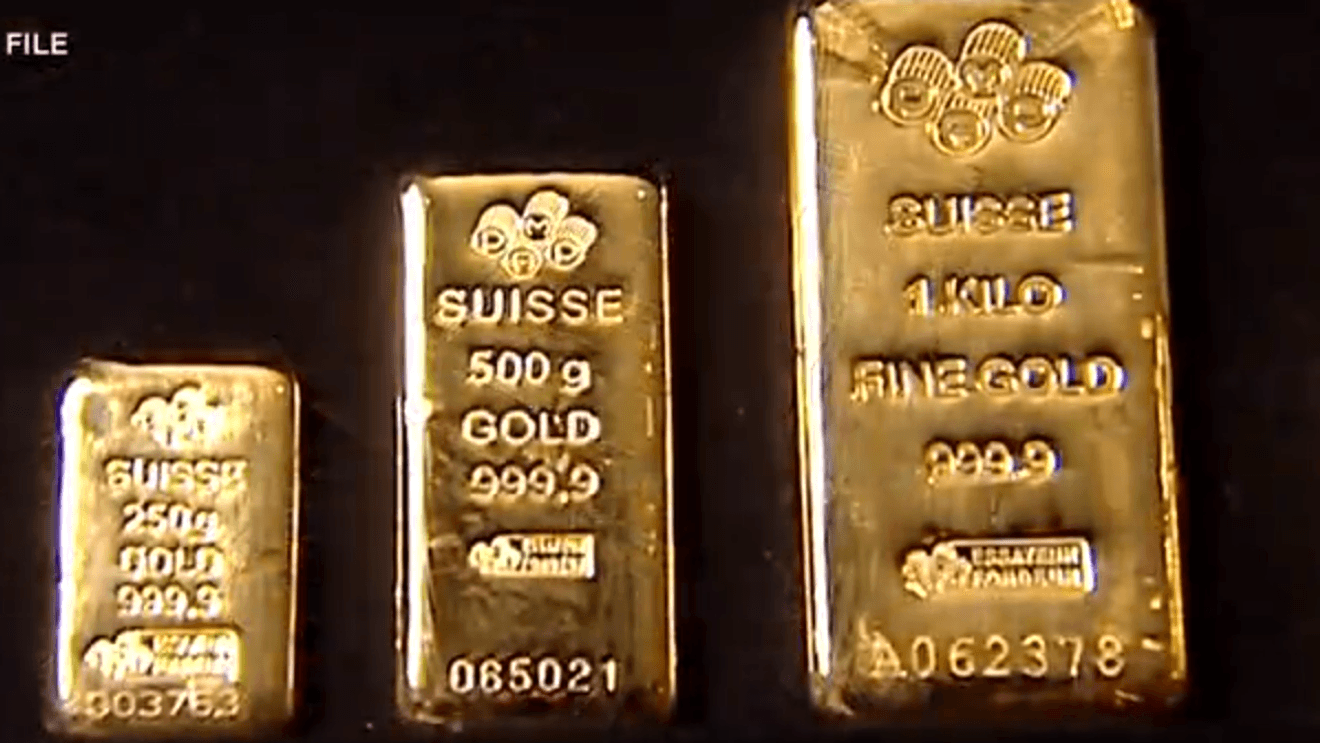
Seattle, WA – As the New Year dawns, Washington State is set to usher in a significant change in its tax landscape, one that promises to send ripples through the precious metals market. A long-standing 40-year exemption on taxes for gold, silver, and other precious metal coins and bullion is slated to expire, effectively increasing their cost for consumers and businesses across the state. This policy shift, while aimed at bolstering state revenue, raises critical questions about its impact on investors, collectors, and the broader Washington economy.
A Four-Decade Precedent Crumbles
For forty years, Washington residents and businesses have enjoyed a unique advantage: the ability to purchase precious metals without the added burden of sales tax. This exemption fostered a vibrant market for gold and silver, attracting investors looking to diversify their portfolios and collectors seeking tangible assets free from state levies. The exemption was a silent boon, often overlooked but deeply appreciated by those in the know, allowing Washington to stand apart from many other states that apply sales tax to such transactions.
The New Financial Landscape: What Changes?
Starting January 1st, this era of tax-free precious metal purchases comes to an end. The removal of the exemption means that sales of gold, silver, platinum, palladium, and related coins or bullion will now be subject to Washington’s standard sales tax rates, which vary by locality but can reach upwards of 10%. For a significant investment, this adds a substantial premium. For example, a $2,000 gold coin could see its price jump by $200 or more purely due to the sales tax.
Impact on Consumers and Investors
Individual investors who view precious metals as a hedge against inflation or economic instability will face higher entry costs. This could potentially deter new investors and reduce the appeal of physical precious metals compared to other investment vehicles. Collectors, too, will see their hobby become more expensive, potentially slowing down the market for rare coins and bullion.
Consequences for Businesses
Local precious metals dealers, coin shops, and jewelers are bracing for the impact. With an immediate price increase, these businesses could experience a downturn in sales. Some fear that customers might opt to purchase from out-of-state vendors or online retailers that are not required to collect Washington sales tax, leading to a loss of local business and potential job reductions. The administrative burden of collecting and remitting the new tax also adds another layer of complexity for small businesses.
Broader Economic Implications
The state legislature's decision to repeal this exemption is likely driven by a desire to increase tax revenue. While the exact figures are not yet public, the revenue generated from taxing precious metals transactions could contribute to state coffers. However, there's a delicate balance at play. Will the increased revenue outweigh the potential negative impacts on local businesses and the state's investment climate?
Critics argue that taxing precious metals could make Washington less attractive for high-net-worth investors and could potentially drive capital out of the state. In an interconnected economy, investors have options, and states with more favorable tax policies for tangible assets might see an influx of business that Washington could now miss out on.
What Lies Ahead?
As the tax takes effect, NovaPress will be closely monitoring the market's response. Will consumers absorb the additional cost, or will there be a significant shift in purchasing habits? How will Washington's precious metals businesses adapt to this new regulatory environment? The answers to these questions will reveal whether this policy change is a strategic revenue win for the state or a misstep that dampens a historically resilient market.
The end of Washington's precious metals tax exemption marks the closing of one chapter and the opening of another, one where the shiny allure of gold and silver now comes with an added, unavoidable cost.