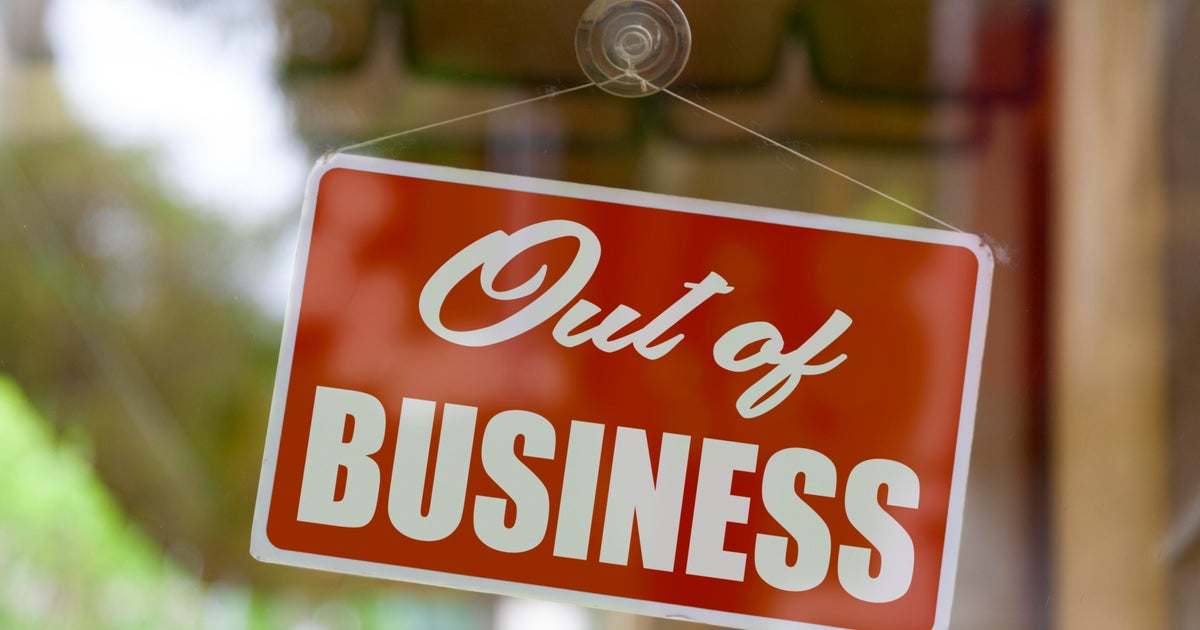
The Vanishing High Street: Over 8,000 Retail Stores Close in 2025, Reshaping America's Economic Landscape
The year 2025 has cemented its place in retail history as a period of profound disruption, witnessing the permanent closure of more than 8,000 stores across the United States. This staggering figure, encompassing both national giants and beloved regional brands, underscores a seismic shift in consumer behavior, economic realities, and the very definition of the modern marketplace.
The Unprecedented Scale of Contraction
Retail industry data reveals a landscape in flux, where familiar names have vanished, leaving behind vacant storefronts and a ripple of uncertainty. While retail has always been dynamic, 2025's wave of bankruptcies and store closures marks an acceleration of trends that have been simmering for years. The sheer volume—over 8,000 establishments—highlights not isolated incidents but a systemic pressure testing the resilience of traditional brick-and-mortar models.
From department stores that once anchored shopping malls to specialty boutiques that defined local character, the closures reflect a broad-based challenge. This contraction is not merely a reshuffling; it's a fundamental re-evaluation of physical retail's role in a rapidly evolving economy.
Unpacking the Perfect Storm: Economic Headwinds and E-commerce Dominance
The factors contributing to this unprecedented retail downturn are multifaceted, forming a perfect storm that proved insurmountable for thousands of businesses.
Economic Volatility and Consumer Caution
Uncertain economic growth has been a persistent antagonist. Consumers, grappling with inflationary pressures, fluctuating interest rates, and a general sense of financial precarity, have tightened their discretionary spending. This cautious approach directly impacts retailers, especially those offering non-essential goods or operating on thin margins. Supply chain disruptions, though easing, continued to contribute to higher operating costs, which many retailers struggled to pass on without alienating price-sensitive shoppers.
The Accelerating Digital Shift
Perhaps the most formidable challenge for brick-and-mortar businesses remains the relentless rise of e-commerce. The convenience, variety, and often competitive pricing offered by online retailers have permanently altered consumer habits. Many brands that failed to adequately integrate a robust omnichannel strategy—seamlessly blending their physical and digital presence—found themselves outmaneuvered. The traditional model of a store as merely a point of transaction is increasingly obsolete; today's consumers demand integrated experiences, personalized engagement, and instant gratification.
The Ripple Effect: Beyond Just Closures
The impact of over 8,000 store closures extends far beyond the retailers themselves. Communities face the immediate aftermath of job losses, from sales associates to regional managers, adding pressure to local economies. Vacant commercial spaces blight shopping centers and main streets, potentially depressing property values and reducing municipal tax revenues. The cultural fabric of neighborhoods also suffers as once-vibrant retail hubs become quieter.
Furthermore, the closures send shockwaves through the broader supply chain, affecting manufacturers, logistics providers, and even advertising agencies that once supported these brands. This widespread disruption forces a re-evaluation of commercial real estate strategies and urban planning, pushing for innovative solutions to repurpose defunct retail spaces.
Adapting to the New Retail Frontier
While 2025 has been a year of significant losses, it also underscores the imperative for adaptation and innovation. The retailers that are surviving and even thriving are those embracing fundamental shifts:
- Experiential Retail: Transforming stores into destinations for unique experiences, services, or community gathering, rather than just places to buy products.
- Hyper-Personalization: Leveraging data and AI to offer highly tailored product recommendations, marketing, and in-store services.
- Agile Operations: Adopting smaller, more flexible store formats, pop-up shops, and efficient supply chains to reduce overhead and respond quickly to trends.
- Seamless Omnichannel: Ensuring a consistent, integrated customer journey across all touchpoints—online, mobile, and physical store.
- Sustainability and Ethics: Aligning with consumer values by focusing on eco-friendly practices, ethical sourcing, and transparency.
Conclusion: A Future Forged in Adaptation
The 8,000+ store closures of 2025 are not merely a statistic; they represent a significant turning point in the retail industry. While painful for many, this period of intense creative destruction is paving the way for a more resilient, innovative, and customer-centric future. The 'retail apocalypse' narrative often oversimplifies a complex evolution. What we are witnessing is not the death of retail, but its profound metamorphosis.
The brands that will define the next era are those willing to shed outdated models, embrace technological innovation, understand the nuanced demands of the modern consumer, and ultimately, prioritize adaptability above all else. The high street may be vanishing as we know it, but a new, more dynamic retail landscape is already beginning to emerge from its ashes.