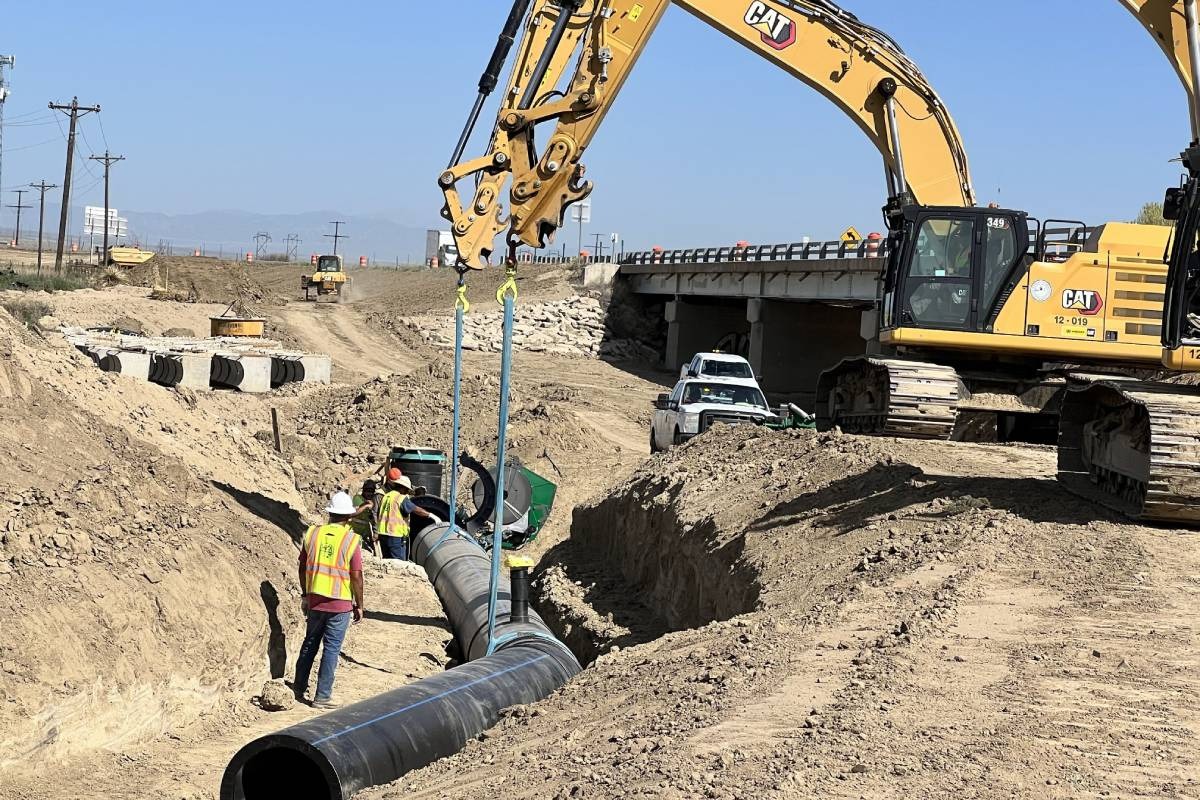
Clean Water Denied: Unanimous Congressional Will Undermined in Southeastern Colorado Veto
In a surprising move that has left rural communities reeling, a bipartisan bill aimed at delivering long-awaited clean water infrastructure to Southeastern Colorado has been vetoed, despite overwhelming support from both sides of the aisle in Congress.
A Decades-Long Quest for Safe Water
For generations, residents of the Arkansas River Valley in Southeastern Colorado have grappled with the challenge of securing safe, reliable drinking water. The region's groundwater sources are often contaminated with naturally occurring arsenic and other pollutants, posing significant health risks and hindering economic development. The solution, tirelessly pursued for decades, has been the Arkansas Valley Conduit (AVC) – a proposed pipeline that would draw clean water from Pueblo Reservoir and deliver it to dozens of communities.
The AVC is not merely an infrastructure project; it's a lifeline. It represents the promise of better health outcomes, agricultural stability, and a foundation for growth in an underserved rural expanse. Local communities have consistently expressed their readiness to contribute their share, underscoring the deep-seated necessity and local commitment to the project.
Unanimous Approval Meets Presidential Rejection
The recent legislative effort to fund the AVC's completion was a rare beacon of unity in a deeply polarized political landscape. The bill, designed to help local entities cover their portion of the costs, sailed through both chambers of Congress with strong bipartisan, indeed, near-unanimous support. Lawmakers from across the political spectrum recognized the critical need and collaborated effectively to push the legislation forward, signaling a consensus on the importance of basic human necessities like clean water.
However, this hard-won legislative victory was abruptly halted at the executive desk. The President issued a veto, branding the project as an 'expensive and unreliable' endeavor. This decision has sparked immediate controversy, prompting questions about the criteria used to evaluate vital infrastructure projects and the respect given to Congressional consensus.
Deconstructing the "Expensive and Unreliable" Claim
The President's stated reasons for the veto warrant close examination. While infrastructure projects invariably involve significant investment, the AVC's costs have been subject to rigorous review and are considered proportionate to the profound, long-term benefits it would provide. The notion of 'unreliability' also conflicts with decades of engineering studies and planning, which have consistently affirmed the conduit's viability as a sustainable water source.
Critics of the veto argue that labeling a project essential for public health as 'unreliable' without substantial evidence undermines the extensive work of engineers, local stakeholders, and congressional committees. It raises concerns that political expediency or other non-project-specific factors may have played a role in the decision-making process, overriding genuine community needs and expert consensus.
The Stark Human Impact on Rural Colorado
The consequences of this veto are immediate and severe for the approximately 50,000 residents across 40 communities in Southeastern Colorado who were counting on the AVC. Without federal assistance, these communities will continue to rely on contaminated water sources, facing ongoing health risks and the burden of expensive, localized mitigation efforts that often fall short.
Beyond public health, the veto stifles economic potential. Reliable clean water is foundational for agricultural development, attracting new businesses, and fostering community growth. The delay or indefinite postponement of the AVC due to a lack of federal partnership translates directly into lost opportunities and continued hardship for a region already facing its share of challenges.
Future Implications: A Precedent for Infrastructure and Bipartisanship?
This veto sets a troubling precedent. When a project with unanimous congressional backing—addressing a fundamental human need like clean water—can be unilaterally dismissed, it begs the question: what hope is there for future bipartisan infrastructure initiatives? It signals a potential erosion of legislative power and undermines efforts to find common ground on critical national issues.
For the communities of Southeastern Colorado, the fight for clean water is far from over. This veto, while a significant setback, is unlikely to extinguish the resolve of residents and local leaders who have pursued this project for generations. However, it undoubtedly adds a layer of complexity and uncertainty to an already arduous journey, forcing a reconsideration of strategies and potential future legislative pathways.
NovaPress will continue to follow this developing story, providing updates on community responses and any legislative attempts to override the veto or secure alternative funding for the Arkansas Valley Conduit.