Machu Picchu Tragedy: Unpacking the Train Crash That Shakes Peru's Tourism Jewel
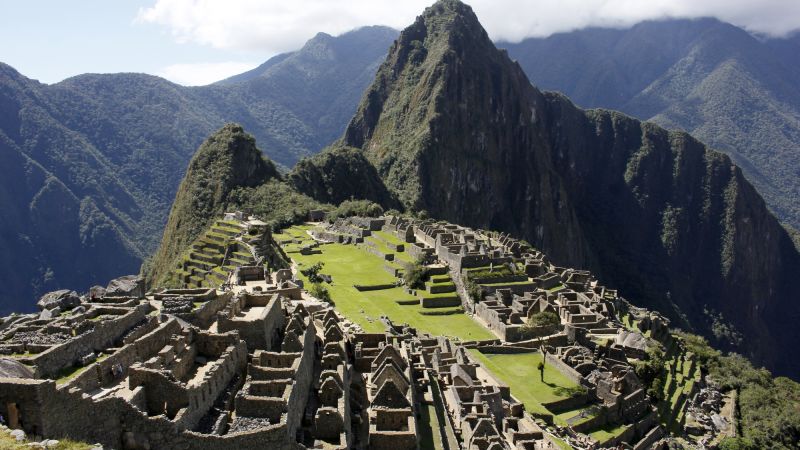
The majestic allure of Machu Picchu, a UNESCO World Heritage site and one of the world's most iconic archaeological marvels, was overshadowed by tragedy this week. On Tuesday, two trains ferrying tourists to Peru's famed ancient Inca citadel collided, resulting in at least one fatality and leaving dozens injured. This devastating incident not only casts a somber pall over the popular tourist destination but also ignites critical questions regarding safety protocols, infrastructure, and the delicate balance of tourism in such unique and remote locales.
The Incident: A Journey Interrupted
Details emerging from the scene indicate that the collision involved two trains on a route heavily trafficked by international visitors eager to witness the wonders of Machu Picchu. The person confirmed dead was a railroad worker, a stark reminder of the risks faced by those maintaining the vital arteries of tourism. Around 30 passengers sustained various injuries, requiring immediate medical attention and sparking a rapid emergency response. While the exact circumstances leading to the crash are still under investigation, early reports point to the immediate aftermath as a scene of distress and disruption.
For many, the train journey to Machu Picchu Pueblo (Aguas Calientes), the base town for the ascent to the ruins, is an integral part of the experience. Winding through the spectacular Sacred Valley and alongside the Urubamba River, it's often described as a picturesque prelude to the main attraction. The safety of this journey is paramount, making an accident of this nature particularly alarming for both travelers and the tourism industry.
Context and Dependency: Machu Picchu's Lifeline
Machu Picchu's isolated location in the Andes means that train travel is, for most, the primary and most practical mode of access. Millions visit the site annually, contributing significantly to Peru's economy and sustaining countless local livelihoods. The Peruvian government, through its various agencies and private operators like PeruRail and Inca Rail, has invested in maintaining these crucial transport links. However, the mountainous terrain presents unique challenges, demanding rigorous maintenance and stringent safety standards.
Operational Complexities and Safety Standards
Operating rail services in such challenging geographies requires advanced technological systems, highly trained personnel, and constant infrastructure monitoring. Investigations into this crash will undoubtedly scrutinize several areas: the mechanical integrity of the trains involved, the signaling and communication systems, human error on the part of operators or dispatchers, and the overall condition of the track. International standards for railway safety are high, and adherence to these is critical, especially when a nation's global reputation as a tourist destination is at stake.
Future Implications: A Rippling Effect on Peruvian Tourism
The immediate aftermath of such an incident often includes a period of uncertainty and potential dips in tourist arrivals. While the long-term impact on Machu Picchu's allure is unlikely to be severe given its global stature, short-term cancellations and a heightened sense of caution among prospective travelers are possible. Peruvian tourism authorities and train operators will face immense pressure to demonstrate transparency in their investigations and implement enhanced safety measures to restore public confidence.
Economic Repercussions and Reassurance
Beyond the immediate human cost, the economic impact on local communities around Machu Picchu and the broader Cusco region could be substantial. Many small businesses, hotels, guides, and artisans rely almost exclusively on the flow of tourists. A sustained perception of insecurity could severely harm these fragile economies. It will be crucial for the Peruvian government to not only ensure a thorough investigation but also to communicate effectively with the international community, offering reassurances about the safety and reliability of its tourist infrastructure.
Lessons for Global Tourism Safety
This tragedy serves as a potent reminder for the global tourism industry of the continuous need for vigilance in safety and infrastructure maintenance, especially in destinations that combine natural beauty with logistical challenges. While the appeal of remote and breathtaking sites like Machu Picchu remains undiminished, the journey to these wonders must be as secure as the destination itself. The world will be watching as Peru navigates the aftermath of this incident, hoping for swift resolutions and renewed commitments to ensuring the safety of all who seek to experience its extraordinary heritage.