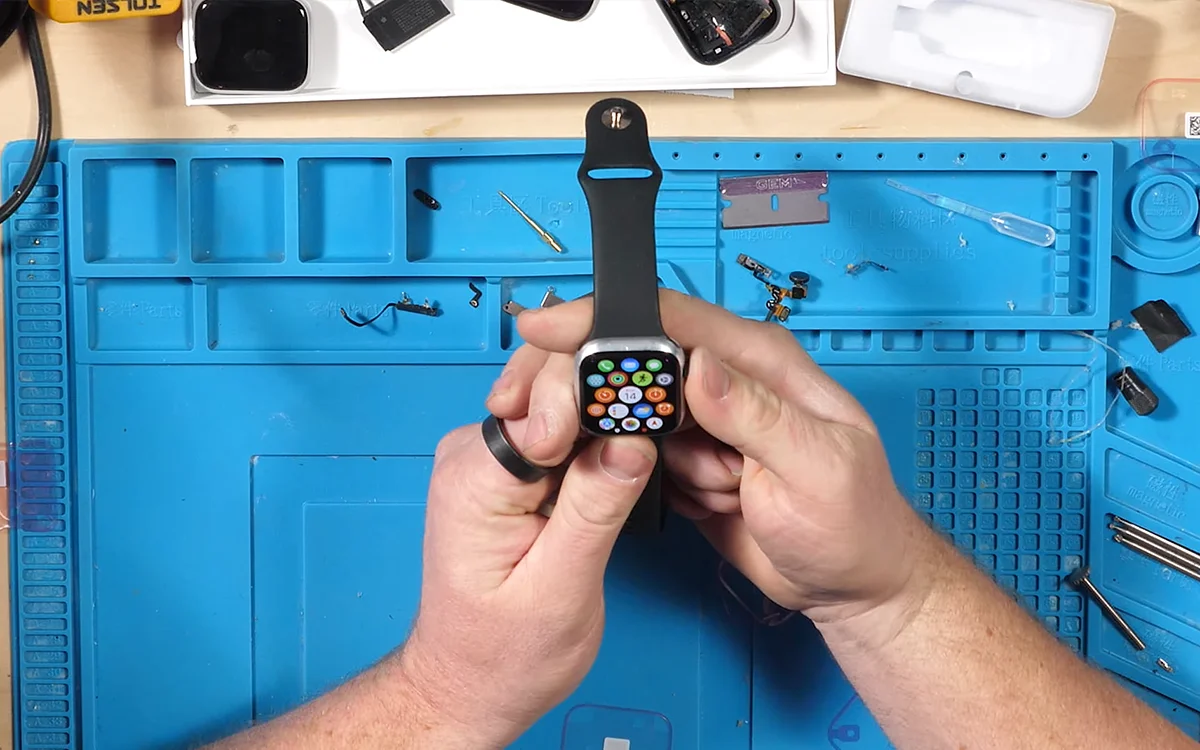
In an era dominated by sleek, proprietary gadgets and closed ecosystems, one audacious creator continues to push the boundaries of what's possible, and indeed, what's permissible. Hot on the heels of constructing his own fully functional iPhone 17 from disparate components, YouTube sensation Strange Parts has once again stunned the tech world, this time by fabricating a DIY Apple Watch from scratch. This isn't merely a hobbyist's triumph; it's a profound statement challenging the very foundations of modern technology manufacturing, consumer rights, and the future of innovation.
From iPhone to iWatch: Strange Parts' Unyielding Quest
Strange Parts, known for his deep dives into the anatomy of consumer electronics and his uncanny ability to reverse-engineer complex devices, embarked on his "trickiest project yet" within the bustling, labyrinthine alleys of China's largest electronics market. This sprawling tech bazaar, a nexus of components, expertise, and rapid prototyping, served as both his workshop and his supermarket. While building an iPhone 17 from sourced parts was a monumental feat, the Apple Watch presents a new echelon of challenges. Its diminutive size, intricate sensor array, custom silicon, and robust integration demands an unparalleled level of precision, understanding, and sheer perseverance.
The project isn't just about assembly; it's about understanding the core engineering principles, navigating complex supply chains for micro-components, and often, improvising solutions where official documentation or off-the-shelf parts are non-existent. It’s a painstaking process of trial and error, reverse engineering, and relentless troubleshooting.
Beyond the Gadget: A Beacon for Right to Repair and Open Hardware
Strange Parts' DIY Apple Watch transcends the realm of a mere tech stunt; it is a powerful, tangible manifesto for the burgeoning 'Right to Repair' movement. For years, tech giants have engineered devices that are increasingly difficult, if not impossible, for consumers or independent repair shops to fix. Proprietary components, glued-shut designs, and software locks have cornered the market, forcing users into expensive manufacturer repairs or premature upgrades.
Challenging Proprietary Walls
This project directly challenges that paradigm. By demonstrating that a highly integrated, sophisticated device like an Apple Watch can be reconstructed from scratch, Strange Parts implicitly argues for greater transparency, modularity, and accessibility in design. It proves that the "magic" of modern tech isn't entirely sealed behind unrepairable enclosures but is, in essence, a complex arrangement of often standard or purchasable components.
The Global Supply Chain on Display
Furthermore, the choice of location – China's tech marketplace – is equally significant. It pulls back the curtain on the global electronics supply chain, revealing where many of these intricate components originate. It highlights a thriving ecosystem of manufacturers, distributors, and innovators that exists independently, and sometimes in parallel, to the official channels of major brands. This visibility is crucial for understanding the true cost and origin of our devices.
Inspiring a New Generation of Makers
From an educational standpoint, Strange Parts' videos are invaluable. They demystify complex engineering, inspire aspiring engineers and hobbyists, and demonstrate the practical application of electronics knowledge. His work fosters a culture of curiosity, problem-solving, and hands-on learning, which is vital for the future of technological innovation.
The Dawn of User-Centric Tech?
If one individual can build a sophisticated smartwatch from scratch, what does this portend for the future of consumer electronics? We might be on the cusp of a shift towards more modular, customizable, and user-repairable devices. Imagine a world where you could upgrade specific components of your smartwatch, or even assemble a device tailored precisely to your needs, rather than being limited to mass-produced models.
This DIY ethos could catalyze innovation beyond corporate R&D labs, empowering communities and individual inventors to create specialized devices for niche applications. It could also force major manufacturers to rethink their design philosophies, moving towards more sustainable and consumer-friendly practices in the face of a growing demand for repairability and longevity.
A Testament to Human Ingenuity and Tech's Evolving Frontier
Strange Parts' latest project is more than just a testament to his incredible skill and persistence. It's a vivid demonstration of human ingenuity challenging technological opacity. It shines a light on the potent forces of the Right to Repair movement, the global tech supply chain, and the burgeoning community of makers. As our devices become ever more integrated into our lives, the ability to understand, repair, and even build them ourselves moves from a niche hobby to a critical aspect of digital literacy and consumer empowerment. The unofficial Apple Watch is here, and it’s sending ripples throughout the tech world, urging us to question, create, and innovate.