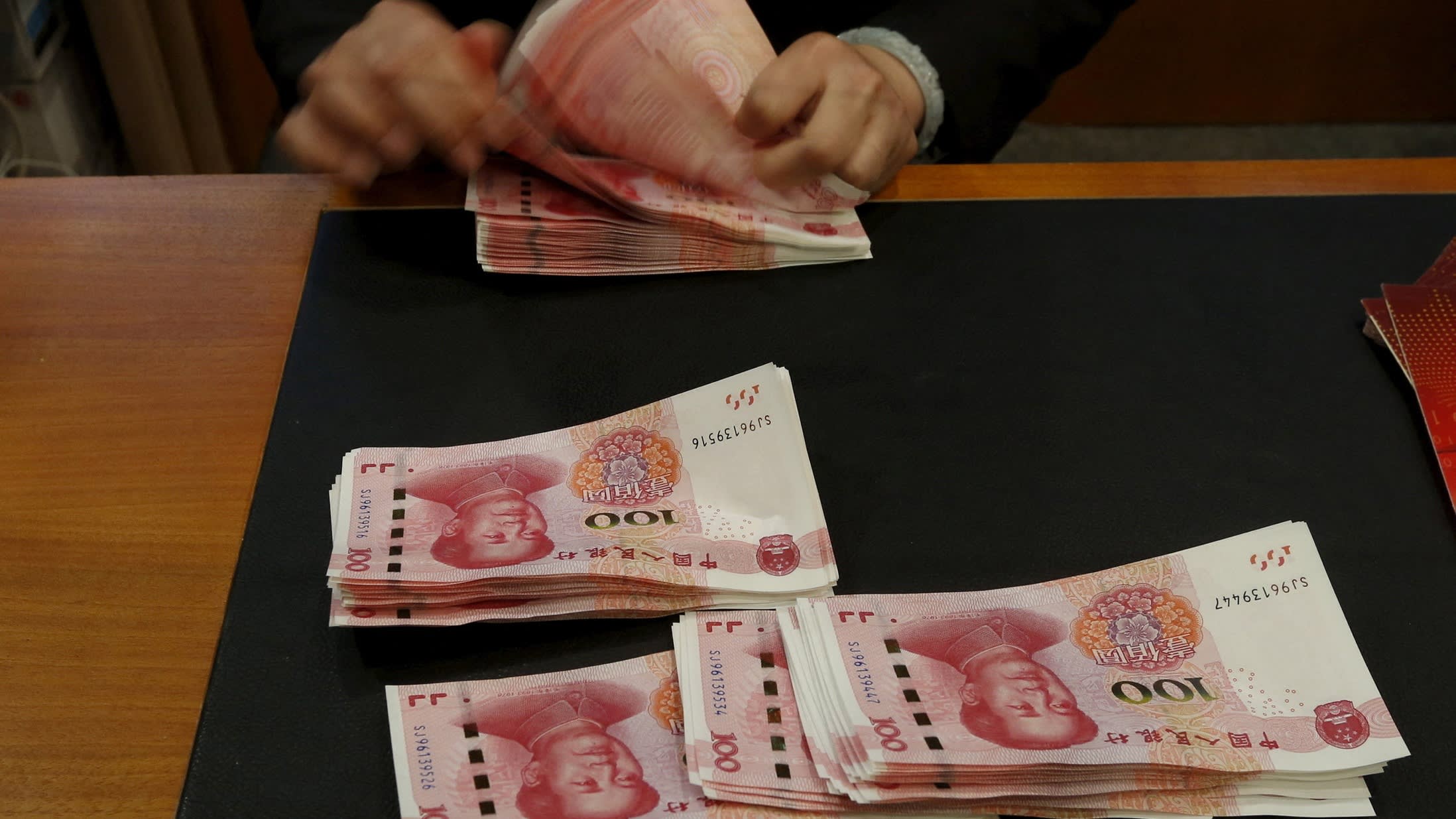
Beyond the Fix: Decoding China's Stronger Renminbi Signal
The financial world is abuzz following the People's Bank of China's (PBOC) recent currency fix, setting the renminbi (RMB) at its highest level against the US dollar in 15 months. This seemingly technical move by the central bank is far from mundane; it’s a powerful signal, carrying profound implications for China's economic strategy, global trade dynamics, and the future of international finance.
The Immediate Signal: A Policy Pivot?
For a currency like the RMB, which operates under a managed float system, the daily reference rate set by the PBOC is more than just a number; it's a direct reflection of Beijing's policy intent. By allowing – or even encouraging – the RMB to strengthen significantly, China is signaling a potential shift in its long-standing currency policy, moving away from a strategy often perceived as prioritizing export competitiveness through a weaker currency.
This move comes at a crucial juncture. Globally, inflation remains a concern, and major economies are navigating a complex recovery landscape. Domestically, China is grappling with its own economic rebalancing, aiming for higher quality growth driven by internal demand rather than solely by exports.
Why Now? Contextual Drivers and Strategic Intent
Several factors likely underpin this decision to tolerate, if not actively foster, a stronger renminbi:
- Inflation Management: A stronger RMB makes imports cheaper, effectively reducing the cost of raw materials and commodities for Chinese businesses and consumers. This can serve as a potent tool to combat imported inflation, especially critical given global supply chain disruptions and rising energy costs.
- Economic Confidence: Allowing the currency to strengthen can be interpreted as a strong vote of confidence in China's own economic recovery and resilience. It projects an image of stability and strength to both domestic and international investors.
- Attracting Foreign Capital: A stable or appreciating currency makes Chinese assets more attractive to foreign investors, potentially drawing in much-needed capital for financial markets and strategic industries.
- Internationalization of the RMB: A more robust and market-driven RMB is essential for its broader international adoption. Beijing has long sought to elevate the RMB's status as a global reserve and trading currency, and a credible, stronger currency is a prerequisite for this ambition.
- Trade Balance and Geopolitics: While a stronger RMB makes exports more expensive, China has consistently run significant trade surpluses. A modest appreciation might be seen as a gesture to reduce trade imbalances, potentially easing some geopolitical tensions, particularly with the United States.
Implications for China and the Global Economy
For China, a stronger RMB presents a double-edged sword. While it helps manage inflation and attracts capital, it could also dampen the competitiveness of its export-oriented industries. Policymakers will need to carefully manage the pace of appreciation to avoid undue pressure on manufacturers. However, it aligns with a broader strategy to pivot towards domestic consumption and high-tech manufacturing, reducing reliance on low-cost exports.
Globally, the strengthening RMB will reverberate across markets:
- Trade Partners: Countries competing with China in export markets might face increased pressure, while those exporting goods to China could see increased demand due to improved Chinese purchasing power.
- Commodity Markets: As China is a major consumer of global commodities, a stronger RMB effectively lowers the cost of these dollar-denominated goods for Chinese buyers, potentially influencing global commodity prices.
- Currency Markets: The move could exert pressure on other Asian currencies to follow suit or risk losing competitiveness, while also influencing the broader strength of the US dollar.
Looking Ahead: A New Chapter?
The PBOC's signal of tolerance for a stronger renminbi marks a potentially significant chapter in China's economic narrative. It suggests a strategic reorientation, where short-term export gains might be superseded by long-term goals of economic stability, inflation control, and greater international financial influence. Investors, businesses, and policymakers worldwide will be watching closely to see if this is a fleeting tactical adjustment or the beginning of a sustained policy shift that redefines China's role in the global economic order.