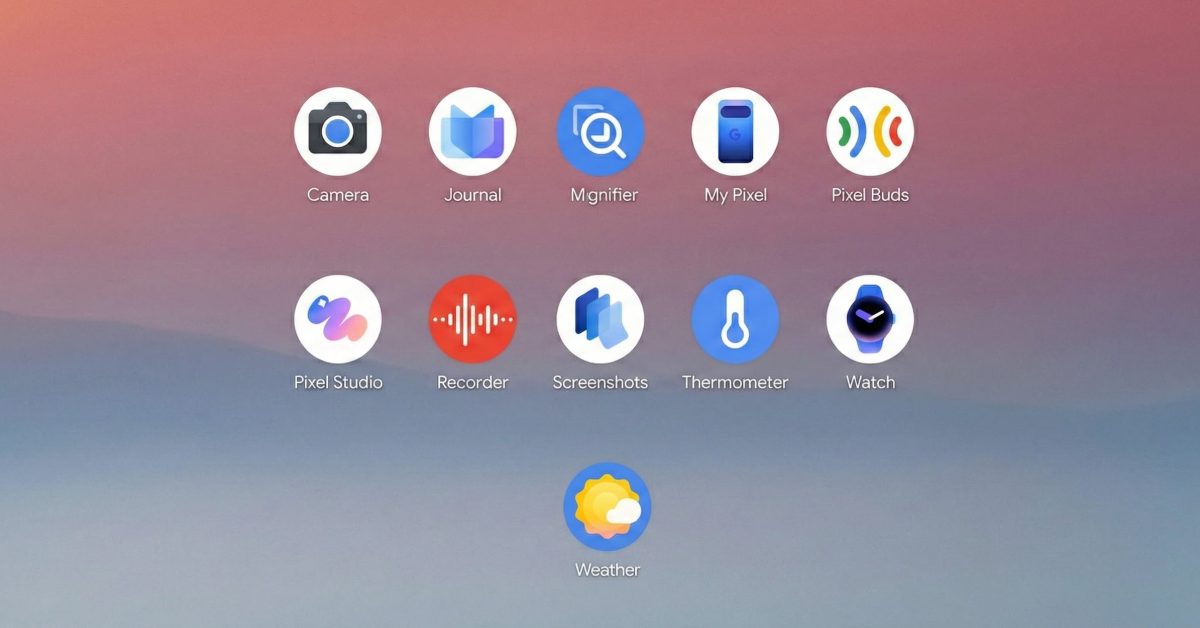
Google's Great Divide: Pixel's 2025 App Exclusivity Marks a New Era
NovaPress Exclusive – 2025 marked a pivotal year for Google's Pixel lineup, as the tech giant significantly expanded its portfolio of Pixel-exclusive applications. This strategic move signals a determined effort to carve out a unique identity for Pixel within the crowded Android ecosystem, moving beyond hardware differentiation alone.
The "Why" Behind the Walled Garden
For years, Google's Android operating system has thrived on its open-source nature, fostering a diverse ecosystem of manufacturers. However, this very openness has often made it challenging for Google's own hardware — the Pixel series — to stand out. While Pixels have consistently delivered on camera prowess and "pure Android" experiences, the advent of increasingly sophisticated, AI-driven features has provided Google with a new avenue for differentiation: software exclusivity.
The surge in Pixel-exclusive apps throughout 2025 wasn't merely a collection of minor tweaks. It represented a deliberate shift towards leveraging Google's unparalleled AI research and deep hardware-software integration capabilities. By developing features specifically for the Tensor chips powering Pixel devices, Google can deliver optimized, high-performance experiences that are simply not feasible or as refined on other Android handsets.
2025: A Year of Exclusive Growth
The past year saw an unprecedented expansion of the Pixel-exclusive app ecosystem. While specific titles often remain guarded, the trend involved enhancements across productivity, communication, photography, and personal assistance. Users witnessed the rollout of advanced on-device AI tools, smarter contextual features, and even novel communication modalities that leveraged the Pixel's unique hardware architecture. Crucially, this availability was not restricted solely to the newest generation of Pixel devices; many of these significant updates were pushed to existing Pixel models, rewarding long-term users and reinforcing brand loyalty.
This move not only bolstered the value proposition for current Pixel owners but also presented a compelling case for potential switchers. The narrative shifted from "Pixel has a great camera" to "Pixel offers an integrated experience unlike any other Android phone," a subtle yet powerful distinction.
Impact on the Android Landscape and OEM Relations
Google's increasingly aggressive stance on Pixel exclusivity raises pertinent questions about the broader Android ecosystem. While Google maintains that open-source Android remains robust, the creation of a 'premium tier' of software experiences exclusive to Pixel could create friction with other Android OEMs. Manufacturers like Samsung, OnePlus, and Xiaomi, who invest heavily in their own software skins and features, might view this as Google competing more directly and strategically against them, rather than simply providing a reference Android experience.
On the one hand, this strategy could push other OEMs to innovate harder, creating their own compelling exclusive features. On the other, it risks fragmenting the Android user experience even further, potentially leading to confusion for consumers about what 'Android' truly offers across different devices.
The Road Ahead: What "Only Continue" Means
The official statement that this trend "will only continue" into future years is a clear declaration of intent. We can anticipate an even deeper integration of AI into core system functions, leading to features that predict user needs, offer proactive assistance, and seamlessly blend digital and real-world interactions in ways previously confined to science fiction. This might include more sophisticated on-device language processing, advanced photo/video editing capabilities that rely on generative AI, and even new forms of adaptive interfaces that learn and evolve with the user.
The future Pixel phone might not just be a device; it could be an ultra-personalized, constantly optimizing companion, powered by an exclusive software suite that makes it truly indispensable for its users. This means Google is likely doubling down on its unique silicon (Tensor) to unlock these unparalleled software capabilities.
Conclusion: A New Chapter for Pixel
The year 2025 undeniably marked a turning point for Google's Pixel strategy. By prioritizing and aggressively expanding its portfolio of exclusive software, Google is solidifying Pixel's position not just as a competent Android phone, but as a distinct, premium ecosystem within Android itself. This "Great Divide" represents Google's most ambitious attempt yet to control the user experience from hardware to software, ensuring that the best of Google's innovation resides first and foremost on its own devices. For consumers, it presents a clear choice: embrace the unique, AI-driven world of Pixel, or continue exploring the diverse, but increasingly differentiated, broader Android landscape.