Beyond the Brand: Why Home Solar is Looking Past Tesla Powerwall for a New Era of Energy Independence
For years, the Tesla Powerwall stood as the undisputed champion in the burgeoning market of home solar battery backup solutions. Its sleek design, perceived ease of integration, and association with the charismatic, if often controversial, figure of Elon Musk, made it the default recommendation for many homeowners seeking a straightforward path to energy independence. It represented a low-effort entry point for "normals" looking to embrace renewable energy and secure their homes against grid disruptions. However, a significant shift is underway, one that sees the industry and increasingly, consumers, exploring a vibrant landscape of alternatives. The narrative around Tesla Powerwall, once solely about technological innovation, has become entangled with the broader public perception of its CEO, prompting a critical reevaluation of what truly constitutes the best choice for home energy storage.
The Intersection of Brand, Politics, and Home Infrastructure
The challenge for Tesla's home energy division isn't primarily technological; it's reputational. Elon Musk's increasingly vocal and often polarizing political stances have cast a shadow not only over Tesla's automotive brand but also, crucially, over its Powerwall. For many consumers, investing in a home energy system is a significant, long-term decision. Unlike a car, which might be replaced in a few years, a home battery system is a core piece of infrastructure, a commitment to a sustainable lifestyle, and a safeguard against outages. When the brand associated with such a vital investment becomes controversial, it introduces an unwelcome layer of complexity and potential discomfort for homeowners.
This isn't just about personal preferences; it's about the perceived stability and future support of a crucial home asset. Homeowners want peace of mind, not political baggage, tied to their solar investment. As a result, the market, once heavily skewed towards a single dominant player, is now actively seeking and promoting alternatives that offer similar, if not superior, performance without the associated brand volatility.
A Diversifying Ecosystem: Robust Alternatives Emerge
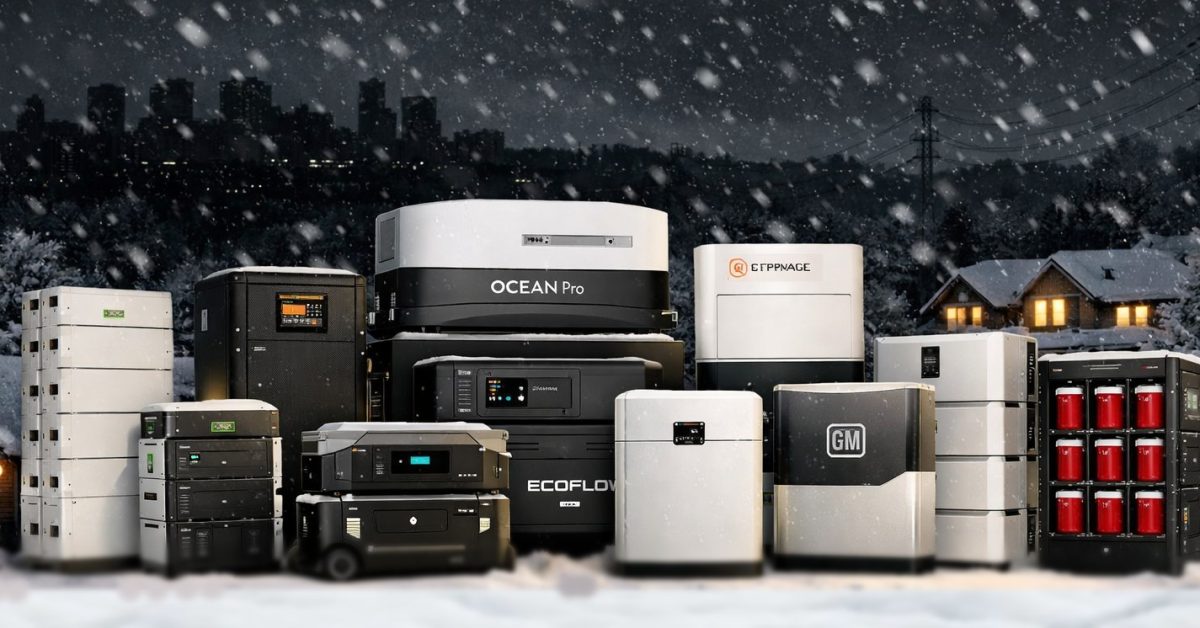
The good news for consumers is that the energy storage market has matured significantly, offering a rich array of robust and reliable alternatives to the Powerwall. These solutions often address specific needs, offer greater flexibility, or come from companies with a different brand philosophy:
- Modular & Scalable Systems: Many manufacturers are now offering modular battery units that allow homeowners to customize their storage capacity precisely to their energy demands. This flexibility can be more cost-effective and adaptable over time compared to fixed-capacity solutions. Brands focusing on modularity often provide options for incremental expansion as energy needs change or budgets allow.
- Integrated & Hybrid Inverter Solutions: Beyond standalone battery units, a growing number of companies offer fully integrated solar+storage systems where the inverter, battery, and energy management software are designed to work seamlessly together. These hybrid systems can optimize energy flow, improve efficiency, and simplify installation for installers.
- Open-Platform & Vendor-Agnostic Options: Some alternatives prioritize compatibility, allowing homeowners to pair batteries from one manufacturer with inverters from another, or integrate with existing solar setups without being locked into a single ecosystem. This provides greater choice and long-term flexibility for upgrades and maintenance.
- Focus on Grid Services & VPPs: Newer entrants are often designed with advanced capabilities for virtual power plants (VPPs) and grid services, allowing homeowners to potentially earn revenue by contributing their stored energy back to the grid during peak demand. This adds an economic incentive beyond simple backup power.
- Established Electrical & Energy Companies: Traditional electrical equipment manufacturers and established energy companies are also making significant strides in the home battery market, leveraging their long-standing reputations for reliability and customer support. These players often bring decades of experience in power management and grid infrastructure.
Future Implications: A Healthier, More Competitive Market
The shift away from a singular dominant player is a net positive for the home energy storage industry. It fosters increased competition, drives innovation, and ultimately empowers consumers with a wider array of choices tailored to their specific needs, values, and budgets. This evolution pushes manufacturers to differentiate not just on raw specifications, but on factors like customer service, warranty terms, ease of installation for pros, and the overall stability of their brand.
For homeowners, this means a more mature market where diligence in research pays off. Considerations now extend beyond capacity and cost to include the reputation of the manufacturer, their commitment to ongoing support, the flexibility of their system, and even the broader ethical or political stance of the company leadership. The era of a one-size-fits-all recommendation is fading, replaced by an exciting landscape of specialized, high-performing, and values-aligned energy solutions.
Conclusion: Empowering Choice in the Renewable Future
While Tesla Powerwall undoubtedly played a pivotal role in popularizing home battery storage, its once unassailable position is being challenged by a dynamic market responding to evolving consumer expectations and broader societal conversations. The move towards exploring and recommending alternatives signifies a healthy maturation of the renewable energy sector. It underscores a future where energy independence is not just about technology, but about empowering choices that resonate with individual homeowners, fostering a more resilient, diverse, and ethically conscious energy ecosystem for all.