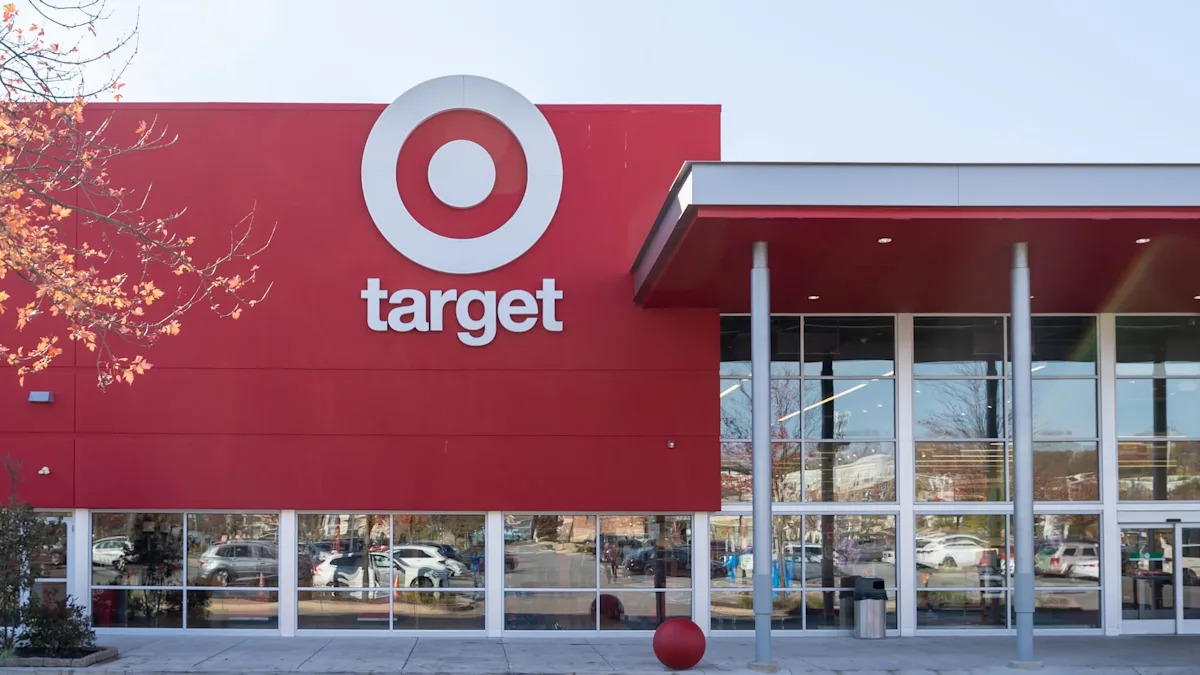
NovaPress Investigates: The Troubling Truth Behind Target's 'Fake Sale' Tactic
In an era where every penny counts and consumer trust is a fragile commodity, news that a major retail giant like Target might be engaging in deceptive pricing practices sends shockwaves. What began as a viral Reddit post has quickly escalated into a widespread conversation about retail ethics, consumer intelligence, and the hidden mechanisms behind the 'bargains' we chase. NovaPress delves deep into the allegations, exploring not just the immediate implications for shoppers but the broader context of corporate responsibility in an inflationary economy.
The Anatomy of a 'Fake Sale': Inflating to Discount
The core accusation against Target, articulated eloquently in a widely shared r/mildlyinfuriating Reddit post, is simple yet insidious: the practice of temporarily raising a product's base price only to subsequently advertise a 'sale' that brings the price down to, or even slightly above, its original, non-sale price. This creates a misleading illusion of significant savings. The disgruntled customer's discovery highlighted a classic bait-and-switch, a tactic that assumes consumers are either too busy or too trusting to meticulously track price fluctuations.
This isn't an isolated incident. The Reddit thread quickly filled with anecdotes from other shoppers who recognized this 'familiar pattern' across various retailers. It exploits a fundamental psychological trigger: the human propensity to seek and respond to perceived discounts. In a marketplace saturated with promotions, the allure of a 'deal' can often override rational price comparison, leading consumers to believe they're saving money when, in reality, they might be paying the same, or even more, than before the supposed 'sale'.
Erosion of Trust: The Long-Term Damage
The immediate consequence of such tactics is a palpable erosion of consumer trust. When shoppers are forced to constantly 'double-check' every advertised special, the convenience and assumed integrity of a retail experience dissolve. This vigilance places an undue burden on consumers, who already navigate complex financial landscapes, especially in times of persistent inflation. For many, the choice becomes stark: invest valuable time in painstaking price verification or simply take their business elsewhere, to stores perceived as more transparent.
Beyond individual transactions, these practices chip away at brand loyalty. A brand built on reliability and fair dealing can suffer immense reputational damage when exposed for deceptive marketing. In an age of instant information and social media virality, a single customer's frustrating discovery can quickly become a PR nightmare, demonstrating that today's consumers are far from 'stupid'—they are informed, connected, and increasingly vocal about perceived injustices.
Corporate Ethics in an Inflationary Environment
Why would a reputable company like Target risk its standing for such gains? The answer likely lies in the intense pressure of quarterly earnings, shareholder expectations, and a fiercely competitive retail landscape exacerbated by economic uncertainties. Inflation drives up operational costs, and companies face the difficult choice of absorbing these costs, raising prices, or finding creative (and sometimes questionable) ways to maintain profit margins while still appearing attractive to budget-conscious consumers.
However, the distinction between shrewd business strategy and ethical transgression is crucial. While retailers are certainly entitled to adjust prices in response to market conditions, intentionally manipulating perceived value through 'fake sales' crosses a line into deceptive advertising. It highlights a troubling corporate culture where short-term financial metrics may overshadow long-term ethical commitments and genuine customer relationships.
Towards Greater Transparency and Accountability
The onus for change rests on multiple fronts. Regulatory bodies must strengthen consumer protection laws, explicitly defining and penalizing such deceptive pricing tactics. This could involve stricter guidelines on how 'original' or 'reference' prices are established for sale advertisements. Consumer advocacy groups also play a vital role in monitoring, reporting, and raising public awareness about these issues.
For consumers, vigilance remains paramount. Tools like price tracking apps and historical price data websites can empower shoppers to make truly informed decisions. More importantly, the power of collective action, as demonstrated by the Reddit community, shows that unified voices can hold even the largest corporations accountable. By sharing experiences and demanding transparency, consumers can collectively push for a more honest and ethical retail environment.
NovaPress's Stance: Championing the Informed Consumer
At NovaPress, we believe that an informed consumer is an empowered consumer. The Target 'fake sale' controversy serves as a stark reminder that beneath the glossy advertisements and enticing discounts, the mechanisms of commerce require constant scrutiny. We urge both retailers to uphold the highest ethical standards and consumers to remain vigilant, question perceived bargains, and share their experiences. Only through collective awareness and demand for transparency can we foster a retail ecosystem built on genuine value and trust.