North Sea's Icy Grip: A 60-Year Low in Exploration Signals a Seismic Shift for UK Energy
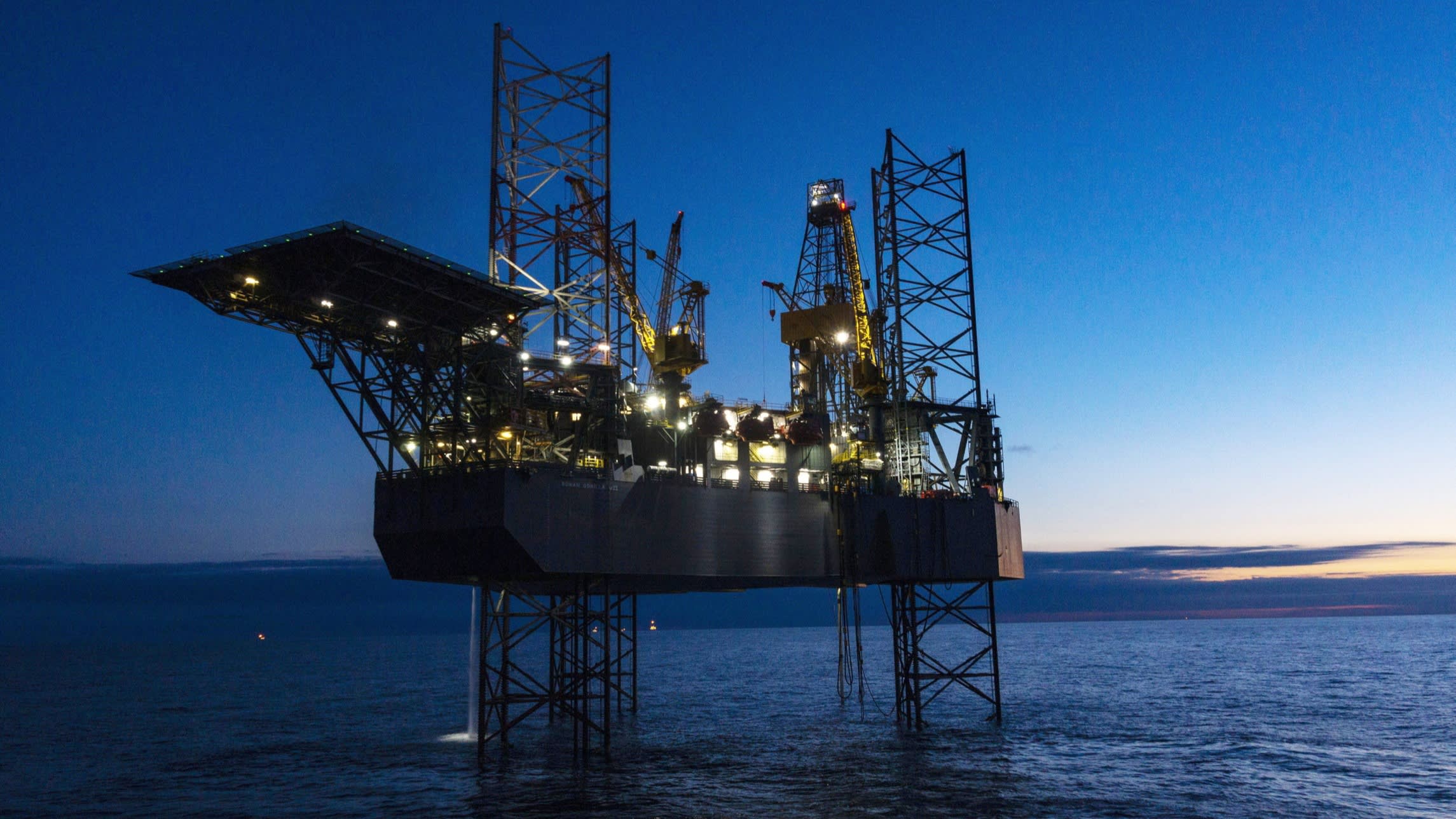
The once-booming North Sea oil and gas basin is facing its most formidable challenge in decades, as exploration plummets to levels unseen since oil and gas were first discovered there 60 years ago. With drillers freezing investment, the region has endured its worst year since the 1970s, raising critical questions about the future of UK energy security, economic stability, and the pace of the green transition.
A Staggering Decline: Echoes of the Past
The data is stark: exploration activity in the UK Continental Shelf (UKCS) has fallen to an unprecedented low. This isn't merely a cyclical downturn; it represents a profound retrenchment. For a basin that has supplied the UK with significant portions of its energy needs for half a century, and which was instrumental in shaping its modern economy, such a collapse in investment is alarming. The comparison to the 1970s is particularly poignant, evoking memories of energy crises, geopolitical shocks, and the very dawn of North Sea exploitation. However, the drivers of today's crisis are markedly different, combining market volatility with a powerful, accelerating push towards decarbonization.
The Perfect Storm: What's Driving the Freeze?
- Market Volatility: While oil and gas prices have seen fluctuations, long-term price uncertainty makes massive, multi-decade exploration projects harder to justify.
- Energy Transition Pressure: The global drive towards net-zero emissions, coupled with government pledges and increasing investor scrutiny, makes new fossil fuel investments politically and financially risky.
- Regulatory Uncertainty: Ambiguous government signals regarding future licensing rounds, windfall taxes, and the long-term role of oil and gas in the UK's energy mix create an environment of hesitancy for potential investors.
- Rising Costs: Operating in a mature basin like the North Sea comes with inherently higher costs for extraction and maintenance compared to newer, less depleted fields globally.
- Shareholder Demands: Investors are increasingly prioritizing returns and sustainability, pushing companies away from capital-intensive, high-risk exploration.
Economic Fallout and Energy Security Concerns
The immediate consequences of this investment freeze are multifaceted. Thousands of high-skilled jobs are at risk across the supply chain, from offshore engineering to logistics and support services. Regional economies in Scotland and the North East of England, heavily reliant on the sector, face significant headwinds. Beyond job losses, the UK's energy security is directly impacted. A decline in domestic production necessitates increased reliance on imports, exposing the nation to global supply disruptions and price spikes.
While the long-term goal is a renewable-dominated energy system, the transition period is critical. Gas, in particular, remains a vital bridge fuel for electricity generation and industrial processes. The rapid decline in domestic exploration without a fully robust and scalable alternative raises concerns about a potential 'energy gap' that could leave the UK vulnerable.
Navigating the Transition: Challenges and Opportunities
This crisis, while alarming, also underscores the urgency and inevitability of the energy transition. It forces a sharper focus on accelerating renewable energy deployment and developing new green technologies. The UK has immense potential in offshore wind, hydrogen, and carbon capture and storage (CCS) – technologies that could leverage the existing expertise and infrastructure of the North Sea's oil and gas sector.
However, a "just transition" is paramount. This means not only investing in new green industries but also retraining and reskilling the existing workforce. Policies must be clear, consistent, and supportive of both the transition away from fossil fuels and the strategic, responsible management of remaining domestic resources during the interim period. Without a coherent strategy, the North Sea’s decline could become a tale of economic dislocation rather than a successful pivot towards a sustainable future.
Conclusion: A Call for Strategic Foresight
The North Sea's worst year since the 1970s is a powerful indicator of fundamental shifts in the global energy landscape and domestic policy. It's a wake-up call that the transition is not a distant aspiration but a present reality with immediate consequences. For NovaPress, it highlights the critical need for a proactive and strategic approach from policymakers, industry leaders, and communities alike. The future of UK energy, its economy, and its global environmental commitments hinge on how effectively this unprecedented challenge is addressed.