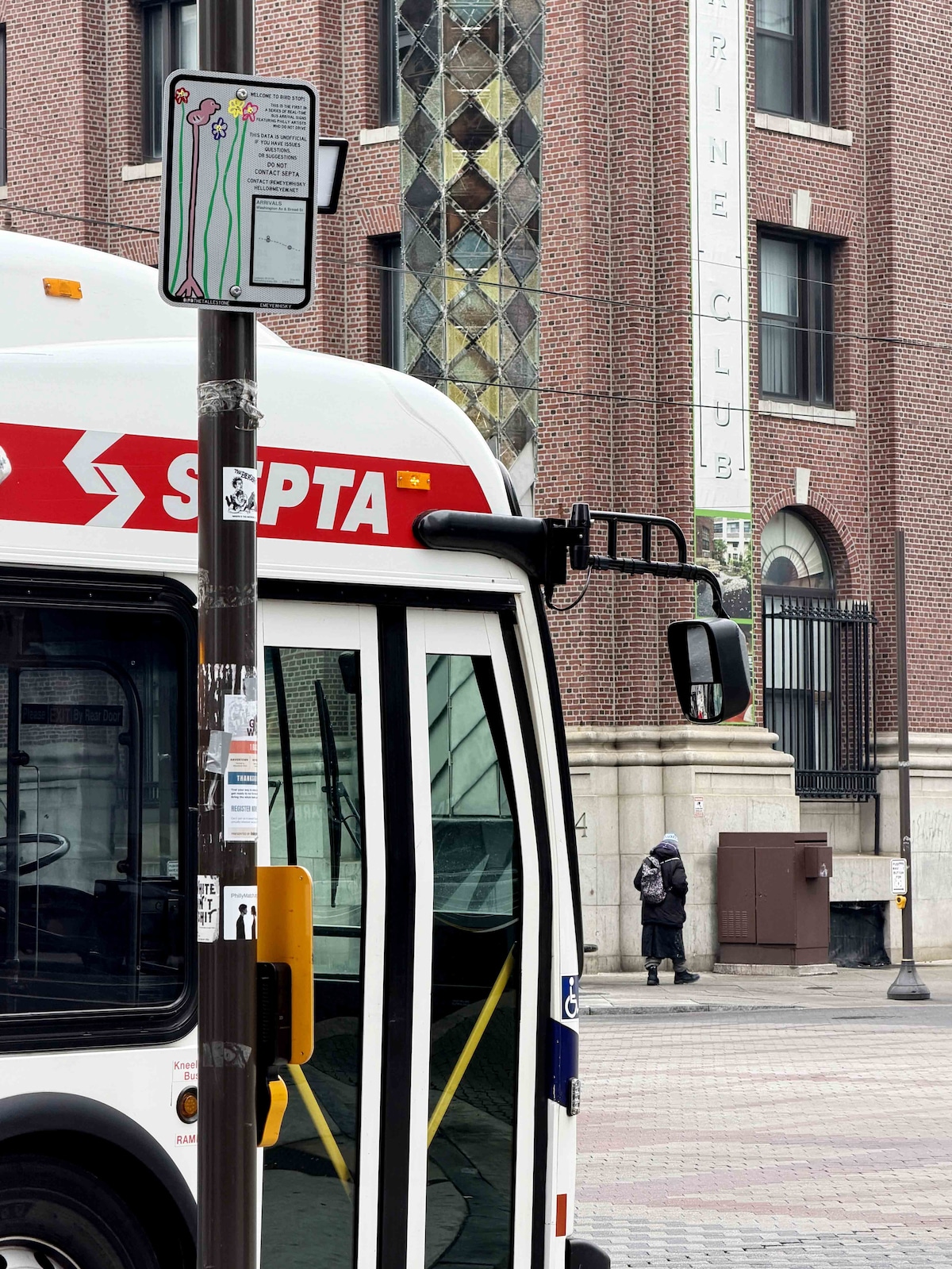
In an age where smart cities and interconnected urban landscapes are the buzzwords, the reality on the ground often tells a different story. For years, commuters in Philadelphia faced a common frustration: the lack of real-time information at their bus stops. Despite advancements in mobile apps, the physical environment remained stubbornly opaque, leaving many riders in the dark. This void, however, has been dramatically filled not by a government initiative or a corporate rollout, but by an anonymous collective of street artists known as "Make it Weird," affectionately dubbed "Bus Stop Banksy."
The Invisible Problem: A City Disconnected
SEPTA, Philadelphia's primary public transit provider, operates a vast network, serving millions. Yet, the absence of real-time bus tracking displays at thousands of stops created significant hurdles for its users. Imagine waiting for a bus in the rain, unsure if it’s five minutes away or twenty. For the elderly, those with disabilities, or individuals less familiar with the city, this uncertainty isn't just an inconvenience; it's a barrier to mobility and independence. It fosters anxiety, leads to missed appointments, and ultimately erodes public trust in the system designed to serve them. This was a critical flaw in urban accessibility, silently impacting daily lives across the city.
Guerrilla Innovation: 'Make it Weird' Steps Up
Enter "Make it Weird," a group that recognized this glaring deficiency and decided to take matters into their own hands. Eschewing official channels and bureaucratic delays, they embarked on a mission to install guerrilla transit signs across Philadelphia. Their goal was simple yet profound: to make SEPTA more accessible by providing immediate, on-site bus arrival times. The spirit of their endeavor echoes the subversive, socially conscious art of Banksy, but with a distinctly practical, public-service twist.
The ingenuity behind their operation is remarkable. After months of prototyping and development, they settled on a low-power e-paper display solution. This choice was crucial for sustainability and stealth. E-paper screens consume minimal power, making them ideal for off-grid operation and significantly extending battery life – a necessity for unauthorized installations that can't tap into public power grids. This technical hurdle, overcome with grassroots resourcefulness, underscores their commitment to a robust and persistent solution, rather than a fleeting stunt.
Beyond Bus Times: The Broader Implications
The impact of "Bus Stop Banksy" extends far beyond mere bus schedules. Firstly, it's a powerful demonstration of citizen empowerment. When public institutions fall short, communities possess the collective intelligence and drive to innovate and self-correct. It’s a call to action, illustrating that technology, when wielded by the people, can solve real-world problems more swiftly and effectively than traditional top-down approaches.
"The ‘Bus Stop Banksy’ movement isn't just about bus times; it's a profound statement on community agency and the untapped potential of grassroots tech to reshape urban living."
Secondly, it highlights the evolving definition of a 'smart city.' While governments invest in large-scale infrastructure projects, true urban intelligence might also emerge from decentralized, agile, and user-centric initiatives. These signs are a tangible example of a smart city emerging from the bottom up, driven by empathy and practical needs rather than grand master plans.
Thirdly, it puts the spotlight on accountability. The success and widespread appreciation for these unofficial signs implicitly pressure SEPTA and other city agencies to address long-standing deficiencies. Will this inspire SEPTA to accelerate its own plans for real-time displays, or even collaborate with the anonymous innovators? The potential for collaboration, rather than conflict, presents an exciting future for urban development.
The Future of Urban Accessibility: A Grassroots Blueprint?
The "Bus Stop Banksy" phenomenon in Philadelphia is more than a local curiosity; it's a potential blueprint for urban accessibility worldwide. It challenges the conventional wisdom that only official entities can provide public services. By demonstrating how relatively simple, low-cost technology, coupled with unwavering community spirit, can deliver significant public benefit, "Make it Weird" has paved the way for similar citizen-led initiatives in other cities facing similar transit woes. It’s a testament to the power of creative disruption, proving that sometimes, the most effective solutions come from outside the system, crafted by those who experience its shortcomings firsthand.