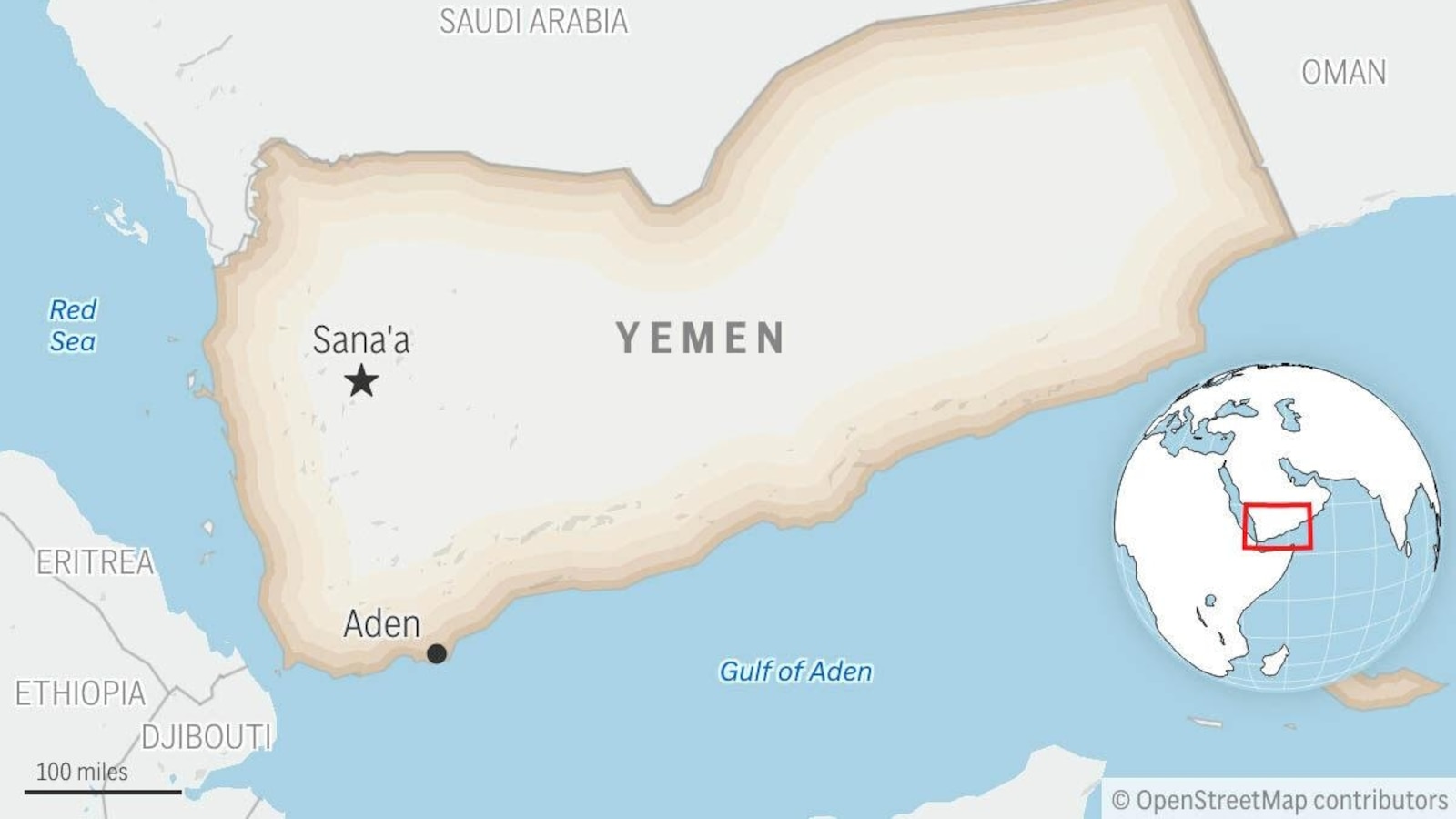
Yemen's Fractured Front: Saudi Warning to UAE-Backed Separatists Threatens De-escalation
By NovaPress Editorial Board | World Affairs
The devastating multi-sided conflict in Yemen, ongoing since 2014, has once again reached a critical juncture. While international efforts push for de-escalation, a stark warning from the Saudi-led coalition to UAE-backed separatists reveals deep internal fissures among anti-Houthi forces, jeopardizing fragile peace prospects and threatening a new wave of conflict.
The Unprecedented Warning
The Saudi-led coalition explicitly stated it would "immediately respond" to any military movements by separatists – primarily the Southern Transitional Council (STC) and its affiliated forces – that undermine ongoing de-escalation efforts in the south. This unprecedented public admonition underscores growing tensions between nominal allies in the fight against the Houthi movement, a situation that complicates an already intractable conflict.
A Web of Players and Proxies
The Saudi-led coalition formally includes the United Arab Emirates, yet the UAE has significantly supported the STC, a powerful southern secessionist movement with substantial military capabilities. These forces have clashed repeatedly with the internationally recognized government of Yemen (supported by Saudi Arabia) in the past, seeking autonomy and control over strategic southern territories. The current warning appears to be directed at the STC's recent movements, particularly in areas like Hadramout, where they have signaled intentions to expand their influence, potentially clashing with local forces allied with the Yemeni government.
De-escalation Efforts at Risk
This internal friction directly imperils broader de-escalation efforts, which have seen a significant reduction in fighting with the Houthis following UN-brokered truces and regional diplomatic pushes. The focus had been shifting towards a comprehensive peace settlement, with hopes for an end to the protracted war. However, the re-emergence of clashes or territorial ambitions among coalition-aligned factions could derail this painstaking progress entirely, sending Yemen spiraling back into intensified warfare across multiple fronts.
U.S. Stance and Broader Regional Implications
The United States, a key Saudi ally, promptly urged diplomacy, highlighting the international community's deep concern. Washington recognizes that any escalation, particularly among anti-Houthi factions, would further destabilize a region already grappling with immense humanitarian suffering and geopolitical complexities. The Saudi warning also brings into sharp focus the intricate and often contradictory alliances at play in the Middle East, where national interests and proxy engagements frequently complicate and supersede stated common goals, even among allies.
Potential Future Scenarios
Should the STC or other UAE-backed groups disregard the Saudi warning, the potential for direct confrontation between elements nominally under the anti-Houthi umbrella is high. Such an escalation would have severe consequences:
- Exacerbate the Humanitarian Crisis: Renewed fighting would inevitably worsen the world's worst humanitarian crisis, further displacing populations, increasing food insecurity, and straining already overstretched aid efforts.
- Empower the Houthis: A divided and warring anti-Houthi front would grant the Houthi movement strategic advantages, potentially strengthening their position in future negotiations or allowing them to consolidate more territory on the battlefield.
- Undermine Regional Stability: The Yemen conflict has long been a proxy battleground for regional powers. Internal fragmentation risks a wider regional fallout, potentially drawing in more actors and further complicating any prospects for lasting resolution across the broader Middle East.
- Test Saudi-UAE Relations: While both nations remain strategic allies, the diverging interests and support for opposing factions in southern Yemen put immense strain on their partnership, potentially reshaping regional power dynamics and alliances.
Conclusion
The Saudi coalition's unequivocal warning serves as a critical stress test for Yemen's fragile de-escalation path. It is a stark reminder that even as the international community seeks an end to the primary conflict, the intricate web of local grievances, regional ambitions, and proxy dynamics threatens to ignite new flashpoints. The path to lasting peace in Yemen remains fraught with internal challenges, demanding concerted diplomatic pressure and genuine commitment from all parties to prioritize stability and humanitarian well-being over factional gains.